

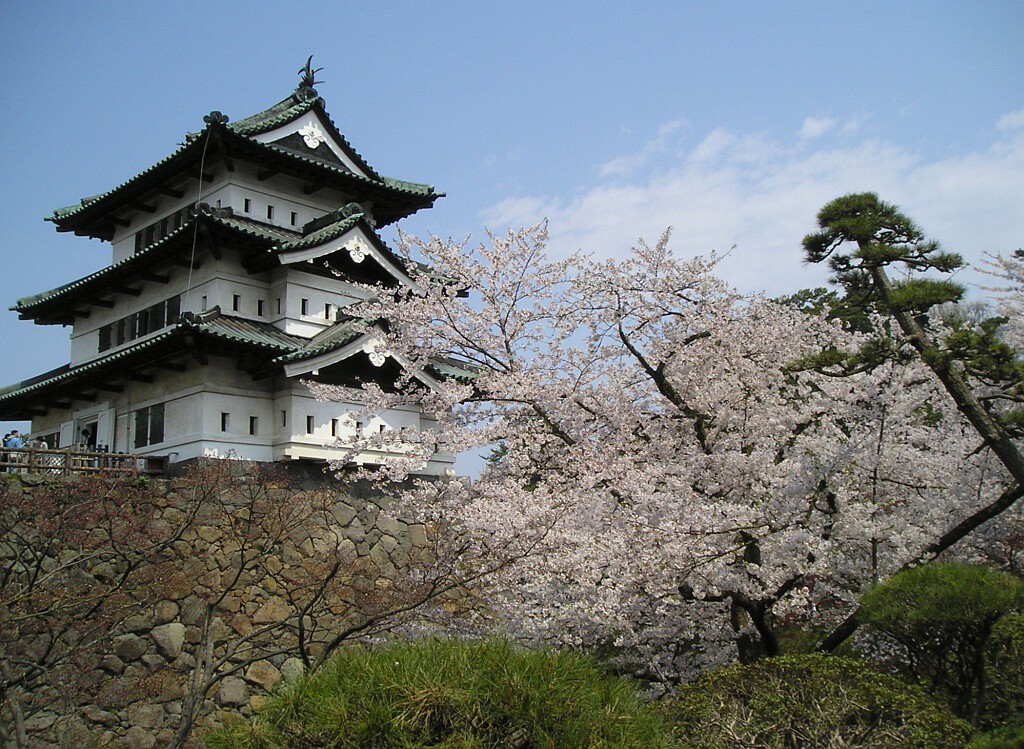
In Hirosaki, northern Japan, a remarkable heritage restoration project has captured global attention: 8,000 volunteers applied to help move a 360-ton castle using ropes. This operation, rooted in an ancient Japanese technique, allows the relocation of entire buildings without disassembly. The overwhelming response turned a delicate conservation effort into a massive collective event.
Hirosaki Castle: A Restoration Like No Other
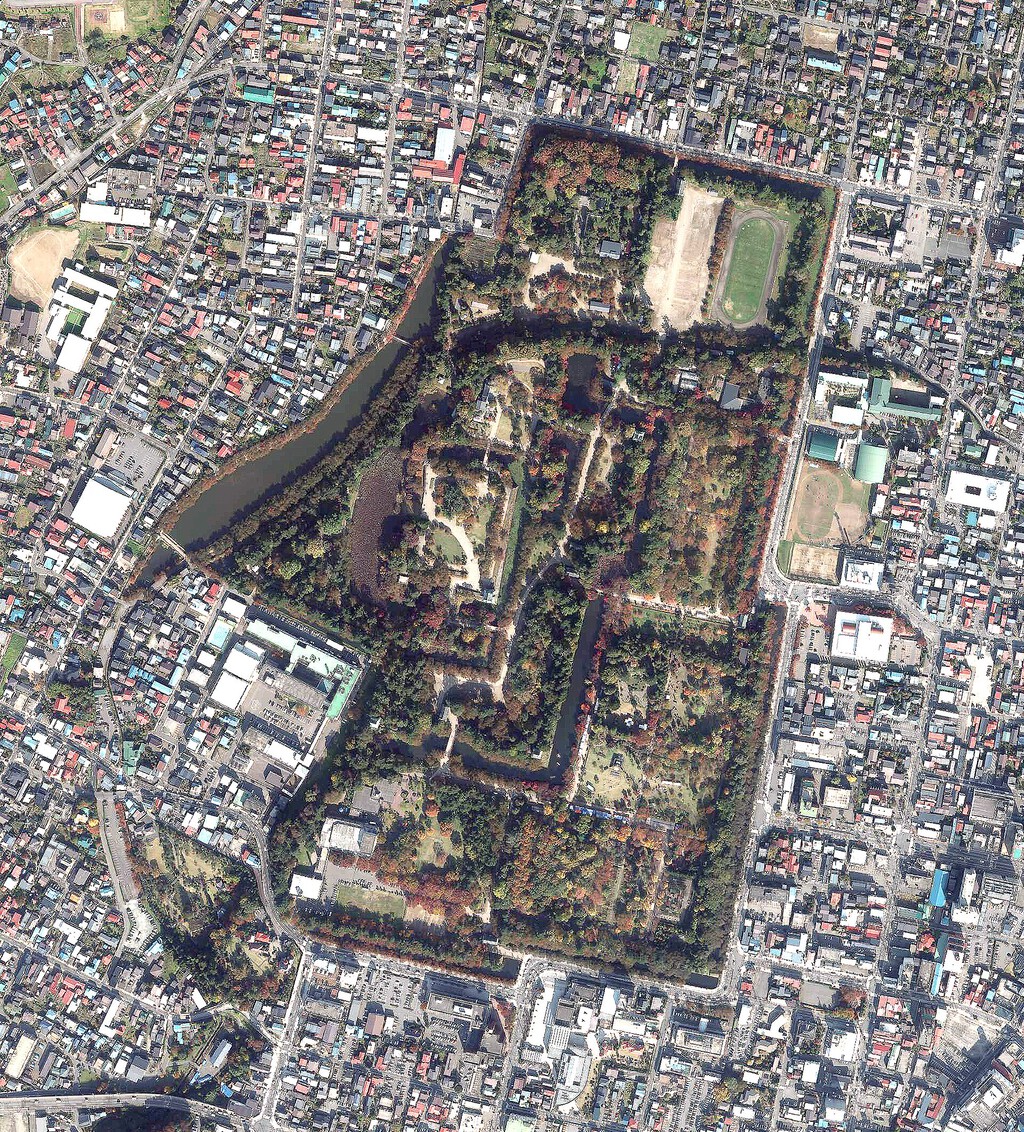
The castle keep in Hirosaki needed to be returned to its original position as part of a complex restoration. To accomplish this, the city called for volunteers to pull the structure using ropes. The response was staggering: for 1,800 available spots over two days, around 8,000 applications poured in—four times the capacity. Volunteers came not only from across Japan but also from abroad.
Find Original Home Decor sparking conversation at Grand Goldman Shop.

This wasn't a simple tug-of-war. The keep was placed on a system of rails and structures, reducing the physical effort required. The technique, known as hikiya, has been used for centuries to move heavy objects. It involves pulling in unison, with coordination and rhythm, to shift massive weights gradually.
Why 8,000 People Wanted to Pull a Castle
The opportunity to participate in such a unique event struck a chord with many. It offered a chance to be part of history, to contribute to preserving a national treasure, and to experience a traditional practice firsthand. The event also fostered a sense of community and pride.
For the city of Hirosaki, the overwhelming interest was a welcome surprise. It highlighted the public's appreciation for cultural heritage and the potential for participatory conservation projects to engage large audiences.
The Ancient Technique Behind the Move
The hikiya technique dates back centuries in Japan, where it was used to transport heavy stones and timber for castle and temple construction. The principle is simple: many hands pulling together can move enormous loads. However, it requires precise coordination to avoid accidents and ensure smooth movement.
In this case, the castle keep was not dragged directly on the ground. Instead, it was mounted on a rail system, which distributed the weight and allowed for controlled movement. Volunteers pulled ropes attached to the structure, inching it along the rails.
The Earthquake That Started It All
The need to move the castle arose from an earthquake that damaged the keep's foundation. To ensure its stability and preserve it for future generations, engineers decided to relocate it to a more secure position. The move is part of a larger restoration project that includes reinforcing the foundation and restoring the castle's original appearance. Context on how this played out before sits in 8,000 Volunteers Pull 360-Ton Japanese Castle in Hirosaki.
The earthquake, which struck the region, caused significant damage to the castle's stone walls. The restoration is expected to take several years and will involve both modern engineering and traditional techniques. The background to this story is set out in Nurdle Spill Cleanup: Volunteers Battle Plastic Pollution. A related thread runs through Wikipedia Volunteers Take On the Global Arms Trade.
What This Means for Heritage Conservation
This project demonstrates how heritage conservation can be transformed into a public event, raising awareness and fostering a sense of ownership among citizens. It also showcases the value of traditional knowledge in modern restoration efforts. Earlier coverage in English Heritage Trains New Generation of Volunteer Scythers shows how the argument developed. A closer look at the same subject appears in Bird Flu Australia: How Volunteers Track H5N1 Outbreak.
Other cities in Japan and beyond might look to Hirosaki as a model for engaging the public in preservation projects. The success of the volunteer call suggests that people are eager to participate in meaningful activities that connect them with their cultural heritage. Anyone following the wider picture can start with Trending: latest articles. The same theme surfaces in Stonehenge's 56 Aubrey Holes Linked to Sun and Moon by IBM Computer, which takes a different angle.
Key Takeaways
- 8,000 volunteers applied for 1,800 spots to help move a 360-ton castle keep in Hirosaki, Japan.
- The move uses a traditional hikiya technique, pulling the structure along rails with ropes.
- The restoration was necessitated by earthquake damage to the castle's foundation.
- The event turned a conservation project into a massive public spectacle, engaging thousands.
- This approach could inspire similar participatory heritage projects worldwide.
Comparing the Hirosaki Castle Move to Other Relocations
| Project | Weight Moved | Method | Volunteers Involved |
|---|---|---|---|
| Hirosaki Castle Keep | 360 tons | Rope pulling on rails (hikiya) | ~8,000 applied, 1,800 selected per day |
| Typical building relocation | Varies | Hydraulic jacks, rollers | Professional crew only |
| Historic temple moves (Japan) | Up to 1,000 tons | Hikiya with large teams | Hundreds of workers |
FAQ
How did they move a 360-ton castle with ropes?
The castle keep was placed on a rail system and pulled using ropes by thousands of volunteers. This technique, called hikiya, distributes the weight and allows for controlled movement.
Why did they need to move the castle?
An earthquake damaged the castle's foundation, prompting a restoration project that includes relocating the keep to a more secure position.
Can anyone volunteer to pull the castle?
The city called for volunteers, and due to overwhelming response, only a fraction could participate. However, the event continued over multiple days, allowing thousands to take part.
What is hikiya?
Hikiya is a traditional Japanese method of moving heavy objects by pulling with ropes. It has been used for centuries in construction and relocation projects.
Browse the Shop
 Acacia frida deluxe solid wood bed frame |
Bedroom bench |
Bed chest drawers |
Lingerie dresser |
Frame base |
Mirror with jewelry storage |
30 Bathroom Vanity |
Memory foam queen mattress |
Mattresses for back pain |
Nightstand set of 2 |
Grand Goldman Shop |
Civil Lawyer
Deutschland Trikot WM 2026







