

In Austria, an excavator unearthed nearly a ton of prehistoric iron bars, a find that experts are calling the largest of its kind in Europe. The discovery, made in 2019 near the town of Deinham, has only now been fully analyzed, revealing a treasure trove of ancient metalwork that could have easily been mistaken for scrap.
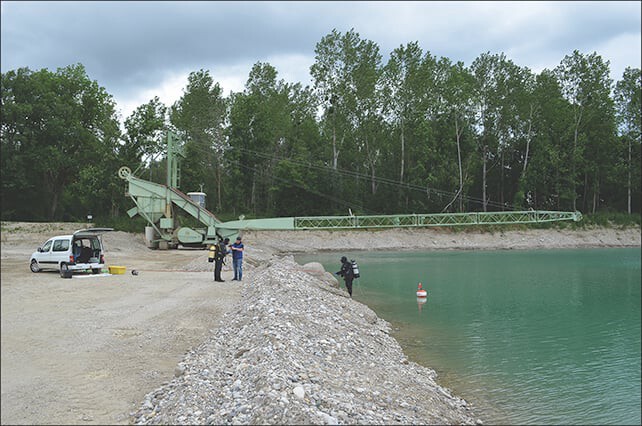
Workers at a gravel extraction plant noticed hundreds of corroded, pointed metal objects underwater. Instead of selling them as scrap, they alerted archaeological authorities, setting the stage for a remarkable scientific breakthrough.
Find Original, High-end Home Decor that spark conversation at Grand Goldman Shop.
A Lucky Break for Archaeology
Peter Trebsche, an archaeologist at the University of Innsbruck, described the survival of these artifacts as "little short of a small miracle." Had the workers not reported the find, the iron bars would likely have been melted down, lost to history forever.
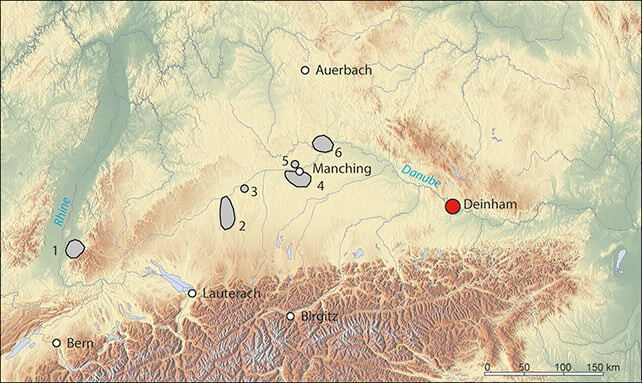
The objects were found in the Danube River near Deinham, buried under water and sediment. Their unusual bipyramidal shape—pointed at both ends—initially puzzled the workers, but archaeologists quickly recognized their significance.
What Was Found: The Iron Hoard
The analysis, recently published in the journal Antiquity, identified 540 complete or fragmentary bars, weighing approximately one ton in total. Each complete bar measures about 28.5 centimeters (11.2 inches) and weighs around two kilograms (4.4 pounds).
These bars date back over 2,000 years, placing them in the prehistoric period. Their shape and uniformity suggest they were not merely raw material but standardized items, possibly used as currency or trade goods.
- Largest hoard: This is the biggest known collection of prehistoric iron bars in Europe.
- Standardized production: The bars' consistent size and shape indicate organized manufacturing.
- Trade significance: Such a large quantity implies extensive trade networks.
- Preservation: The waterlogged environment helped prevent complete corrosion.
- Archaeological value: The find offers new insights into Iron Age economy and technology.
Why This Discovery Matters
Iron was a valuable commodity in prehistoric Europe, and the ability to produce and distribute it in such quantities speaks to advanced social and economic structures. The bars' presence near the Danube, a major ancient trade route, suggests they were part of a larger exchange network.
According to Trebsche, the hoard represents a significant loss for ancient people—comparable to losing a swarm of combat drones today. This analogy underscores the immense value of iron in prehistoric times, when metal was essential for tools, weapons, and status symbols.
Comparison of Prehistoric Iron Hoards
| Site | Number of Bars | Total Weight | Period |
|---|---|---|---|
| Deinham, Austria | 540 | ~1 ton | Prehistoric (over 2,000 years ago) |
| Other European sites | Typically fewer | Less than 1 ton | Similar periods |
This table highlights the uniqueness of the Austrian find. Most other hoards contain far fewer bars, making this discovery exceptional in both size and completeness. The background to this story is set out in Trending: latest articles. A related thread runs through Who Brought Wine to Spain? 28 Ancient Seeds Finally Reveal the Answer.
What Happens Next
Researchers are continuing to study the bars to determine their exact origin and production methods. Isotopic analysis could reveal where the iron ore was mined, shedding light on trade routes and production centers. Earlier coverage in 15-Euro Wall Outlet Extender Multiplies Home Sockets Without Any Rewiring shows how the argument developed. A closer look at the same subject appears in Galicia's 'Crebas' Phenomenon: When the Sea Returns Printers.
The hoard will likely be preserved and displayed in a museum, allowing the public to marvel at this prehistoric treasure. For now, it stands as a testament to the importance of reporting archaeological finds—even those that look like rusty scrap. Anyone following the wider picture can start with LG OLED evo W6: Ultra-Thin 9mm Wallpaper TV Goes Wireless. The same theme surfaces in Best Computers and Accessories: Vote in the Lexus Partners Verisure 2026, which takes a different angle.
FAQ
What did the excavator find in Austria?
The excavator found hundreds of prehistoric iron bars, totaling about one ton, near Deinham. They date back over 2,000 years and represent the largest hoard of its kind in Europe.
Why are these iron bars significant?
They are significant because of their quantity and standardization, which suggests advanced production and trade networks in prehistoric Europe. The find provides valuable insights into ancient economy and technology.
How were the bars preserved?
The bars were found underwater in the Danube River, where low oxygen and sediment helped slow corrosion, preserving them for over two millennia.
What could have happened if workers hadn't reported the find?
The bars might have been sold as scrap metal and melted down, leading to the loss of this invaluable archaeological treasure.
Browse the Shop
 Acacia frida deluxe solid wood bed frame |
Bedroom bench |
Bed chest drawers |
Lingerie dresser |
Frame base |
Mirror with jewelry storage |
30 Bathroom Vanity |
Memory foam queen mattress |
Mattresses for back pain |
Nightstand set of 2 |
Grand Goldman Shop |
Civil Lawyer
Deutschland Trikot WM 2026










