

Germany's 132 billion gold mark debt, imposed by the Treaty of Versailles in 1919, became one of the most consequential financial obligations in modern history. It took 91 years for the country to finally settle the reparations, a burden that spanned almost the entire 20th century and left deep scars on the global economy.
What Was the 132 Billion Gold Mark Debt?
After World War I, the Treaty of Versailles established Germany's responsibility for war damages and obligated the country to pay reparations. In 1921, the figure was set at 132 billion gold marks, an astronomical sum for a defeated and economically exhausted nation. Initially, the amount had been discussed at 269 billion gold marks before being reduced.
Find Original Home Decor sparking conversation at Grand Goldman Shop.

The debt was designed to compensate the victors, especially France, for the devastation of the war and to economically constrain Germany from becoming a military threat again. Article 231 of the treaty, which assigned war guilt to Germany, became a symbol of humiliation and fueled resentment.
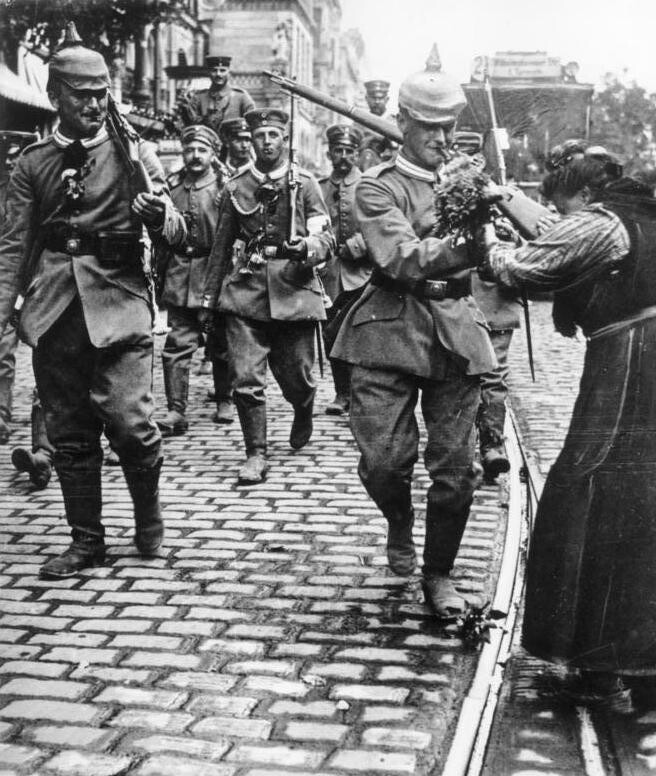
Why the Reparations Were So Controversial
Economist John Maynard Keynes was one of the most famous critics of the agreement. He warned that imposing such a heavy burden on an already weakened economy could destabilize not only Germany but all of Europe. His concerns proved prescient as the 1920s saw hyperinflation and economic turmoil.
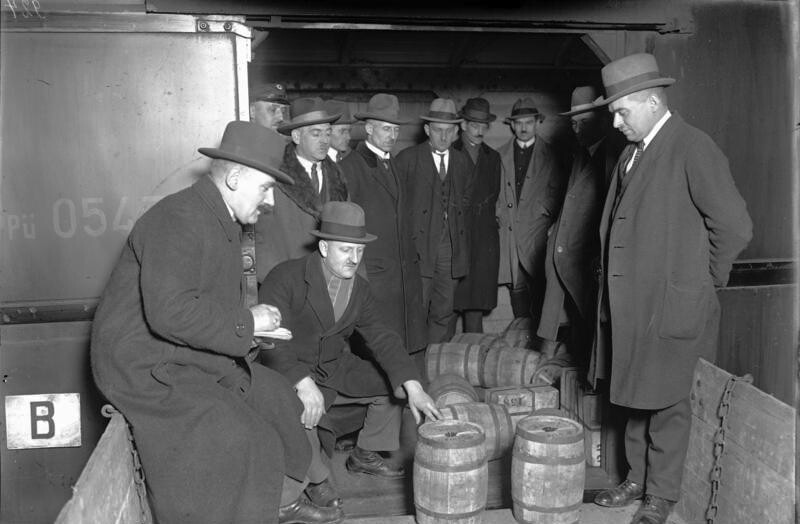
Germany attempted to delay and reduce payments, leading to events like the occupation of the Ruhr and the Dawes Plan, which restructured the debt. These measures provided temporary relief but did not resolve the underlying tensions.
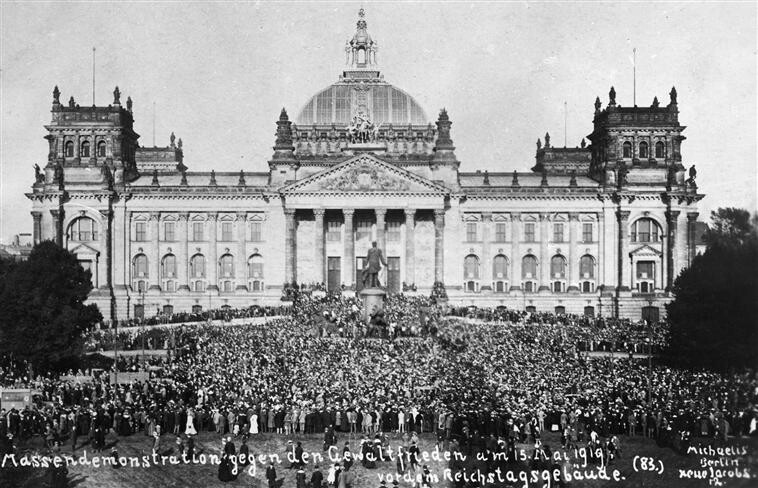
How Germany Managed the Debt Over the Decades
Throughout the 20th century, Germany's repayment faced interruptions from the Great Depression, World War II, and the Cold War division. After World War II, the London Agreement on German External Debts in 1953 rescheduled the remaining obligations, allowing Germany to defer payments until reunification.
It was only after the reunification of Germany in 1990 that the final payments were made. The last installment was settled on October 3, 2010, exactly 20 years after reunification, marking the end of a 91-year saga. The background to this story is set out in Why Rugby Culture Never Took Off in Germany. A related thread runs through Jürgen Klopp Germany Coach: Can Football Change a Country?. Earlier coverage in Why Germany Has No Rugby Culture: History and Insights shows how the argument developed.
Key Takeaways from Germany's Reparations
- The 132 billion gold mark figure was set in 1921, but initial discussions considered 269 billion.
- John Maynard Keynes criticized the reparations for risking European economic stability.
- Hyperinflation in the 1920s was exacerbated by the burden of reparations.
- The 1953 London Agreement restructured the debt and postponed payments until reunification.
- The final payment was made in 2010, 91 years after the Treaty of Versailles.
Economic Impact and Lessons Learned
The reparations debate highlights the dangers of imposing punitive financial measures on a struggling economy. The hyperinflation of the 1920s, which saw the value of the mark plummet, was partly a result of the reparations burden. This economic chaos contributed to political instability and the rise of extremism. A closer look at the same subject appears in Trump Imposes Fresh Tariffs on UK, EU, and Dozens of Countries. Anyone following the wider picture can start with Trump Imposes New Tariffs on UK, EU, and Dozens of Countries. The same theme surfaces in Trump Imposes 50% Tariff on Most Canadian Goods: What It Means, which takes a different angle.
The long repayment period also demonstrates how financial obligations can outlast the political circumstances that created them. The debt was finally settled only after the geopolitical landscape had completely transformed. Context on how this played out before sits in Spain Pension Fraud: Man Ordered to Repay €9,240 After Colombia Trips. A companion piece, Trending: latest articles, approaches the same subject from another angle.
Comparison of Reparations Terms
| Year | Event | Amount/Change |
|---|---|---|
| 1919 | Treaty of Versailles | Responsibility established |
| 1921 | Reparations fixed | 132 billion gold marks |
| 1924 | Dawes Plan | Restructured payments |
| 1929 | Young Plan | Reduced annual payments |
| 1953 | London Agreement | Debt rescheduled, deferred until reunification |
| 1990 | German reunification | Payments resumed |
| 2010 | Final payment | Debt settled |
FAQ
What was the 132 billion gold mark debt?
The 132 billion gold mark debt was the amount set in 1921 for Germany's war reparations under the Treaty of Versailles. It was intended to compensate the victors for World War I damages.
Why did it take 91 years to repay?
The repayment was interrupted by economic crises, World War II, and the division of Germany. The 1953 London Agreement deferred payments until reunification, which occurred in 1990, with the final payment made in 2010.
What was Keynes's criticism of the reparations?
John Maynard Keynes argued that the reparations were too harsh and would destabilize Germany and Europe. He predicted economic turmoil, which indeed followed in the 1920s.
When was the final payment made?
The final payment was made on October 3, 2010, exactly 20 years after German reunification, ending the 91-year obligation.
The story of Germany's reparations is a cautionary tale about the long-term consequences of financial penalties. It underscores the importance of considering economic stability when designing debt agreements. For more on financial history, explore our finance section.
Browse the Shop
 Acacia frida deluxe solid wood bed frame |
Bedroom bench |
Bed chest drawers |
Lingerie dresser |
Frame base |
Mirror with jewelry storage |
30 Bathroom Vanity |
Memory foam queen mattress |
Mattresses for back pain |
Nightstand set of 2 |
Grand Goldman Shop |
Civil Lawyer
Deutschland Trikot WM 2026







