

Iran has struck four of the eight US missile defense radar systems in the Middle East, according to satellite imagery, raising fears that further losses could trigger a new war. The targeted radars are critical for detecting and tracking incoming missiles, and their destruction would severely degrade US defensive capabilities in the region.
What Are These Radar Systems?
The radars in question are among the most advanced in the world. They include the AN/TPY-2, a key component of the THAAD (Terminal High Altitude Area Defense) system, and the massive AN/FPS-132 radar deployed in Qatar. These sensors act as the "eyes" of the regional missile shield, feeding data to Patriot, THAAD, and Aegis interceptors to destroy threats before they reach their targets.
Find Original Home Decor sparking conversation at Grand Goldman Shop.

Each radar is a building-sized machine costing hundreds of millions of dollars. They can track objects thousands of kilometers away and distinguish between multiple targets in flight. Their loss would create significant gaps in early warning and interception capabilities.
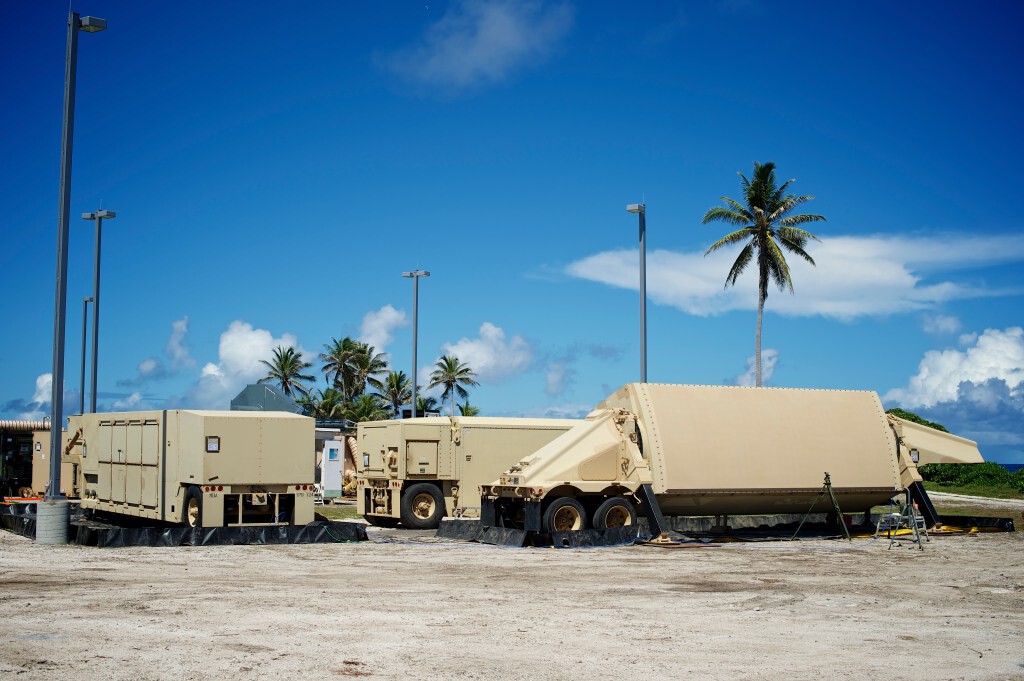
Why Iran Is Targeting These Radars
Iran has deliberately focused on these high-value assets since the conflict began. By destroying the radars, Iran aims to blind the US missile defense network, making it easier for its own missiles to penetrate and hit targets. This strategy exploits an asymmetry: a relatively cheap drone or missile can destroy a radar worth billions, upending the cost calculus of modern warfare.

Satellite imagery has confirmed strikes on several of these systems, including the strategic radar at Al-Udeid Air Base in Qatar, valued at nearly $1 billion. The loss of four out of eight such radars is a significant blow to US regional defense.
The Strategic Implications
The destruction of these radars undermines the entire US defense architecture in the Middle East. Without reliable early warning, the US and its allies would have less time to react to missile attacks, increasing the risk of successful strikes on military bases, cities, and critical infrastructure. The background to this story is set out in US Strikes Iran for 10th Time as Iran Declares 'Full-Scale War'. A related thread runs through US Strikes on Iran Expand to Civilian Infrastructure. Earlier coverage in US Strikes on Iran Civilian Infrastructure Escalate Conflict shows how the argument developed.
Moreover, the loss of these unique systems is not easily replaced. Each radar takes years to build and deploy, and their production is limited. If more are destroyed, the US could face a critical shortage, potentially emboldening Iran and other adversaries. A closer look at the same subject appears in Iran War Missile Depletion: Germany Counts Stockpiles. Anyone following the wider picture can start with Trump's Iran Strategy: Kindergarten Diplomacy Fails. The same theme surfaces in NASA's Fire-Detecting Satellite Plagued by Space Junk, which takes a different angle.
What to Watch Next
The situation remains volatile. If Iran succeeds in destroying all eight radars, the US would be left without a key layer of defense, significantly raising the stakes. The US may respond by reinforcing remaining radars with additional defenses or by taking direct action against Iran. The international community is watching closely, as any further escalation could lead to a wider conflict. Context on how this played out before sits in US Radar Losses Force South Korea Security Shift. A companion piece, Iran Claims Strike on US Radar in Bahrain as Tensions Escalate, approaches the same subject from another angle.
Key Takeaways
- Iran has struck four of eight US missile defense radars in the Middle East, confirmed by satellite imagery.
- These radars are critical for detecting and tracking missiles, and their loss degrades US defensive capabilities.
- Iran's strategy exploits asymmetry, using cheap weapons to destroy expensive, high-value targets.
- The destruction of all eight radars could trigger a new war, as the US would be left vulnerable.
- The US faces challenges in replacing these unique systems quickly.
Comparison of Radar Systems
| Radar System | Associated Interceptor | Estimated Cost | Key Features |
|---|---|---|---|
| AN/TPY-2 | THAAD | ~$800 million | X-band, long-range detection, mobile |
| AN/FPS-132 | Patriot, THAAD, Aegis | ~$1 billion | UHF-band, early warning, fixed |
FAQ
What is the AN/TPY-2 radar?
The AN/TPY-2 is a mobile X-band radar used with the THAAD system to detect and track ballistic missiles at long ranges. It is a key component of US missile defense.
Why are these radars so important?
They provide early warning and targeting data for interceptors, enabling the US to defend against missile attacks. Without them, the entire defense network is compromised.
How many radars does the US have in the Middle East?
There are eight such unique radar systems in the region, according to reports. Four have been struck by Iran.
What happens if all radars are destroyed?
The US would lose its ability to detect and track incoming missiles, leaving it and its allies vulnerable. This could prompt a severe military response and escalate into a broader war.
Browse the Shop
 Acacia frida deluxe solid wood bed frame |
Bedroom bench |
Bed chest drawers |
Lingerie dresser |
Frame base |
Mirror with jewelry storage |
30 Bathroom Vanity |
Memory foam queen mattress |
Mattresses for back pain |
Nightstand set of 2 |
Grand Goldman Shop |
Civil Lawyer
Deutschland Trikot WM 2026







