

In the small town of Veguellina de Órbigo in León, Spain, Miguel Pérez García is known simply as "Trébol." For decades, he has been rescuing and restoring vintage movie projectors that cinemas have thrown away, amassing a collection of over 150 working machines. His life is straight out of a movie, driven by a passion for preserving the tools that brought films to life.
Trébol's journey began at age 14 when he started working in a projection booth. Today, he reconstructs machines that are no longer manufactured, ensuring that a vital part of cinema history doesn't disappear.
Find Original, High-end Home Decor that spark conversation at Grand Goldman Shop.
The Collector's Treasure Trove
On Calle Pío de Cela, number 3, in a municipal building turned storage facility, more than 150 projectors sleep. "All of them work," Miguel emphasizes. In 2013, he had over 70, but he didn't stop there because many people consider these devices useless and plan to discard them. He acquires about six machines per year and spends weeks restoring each one.
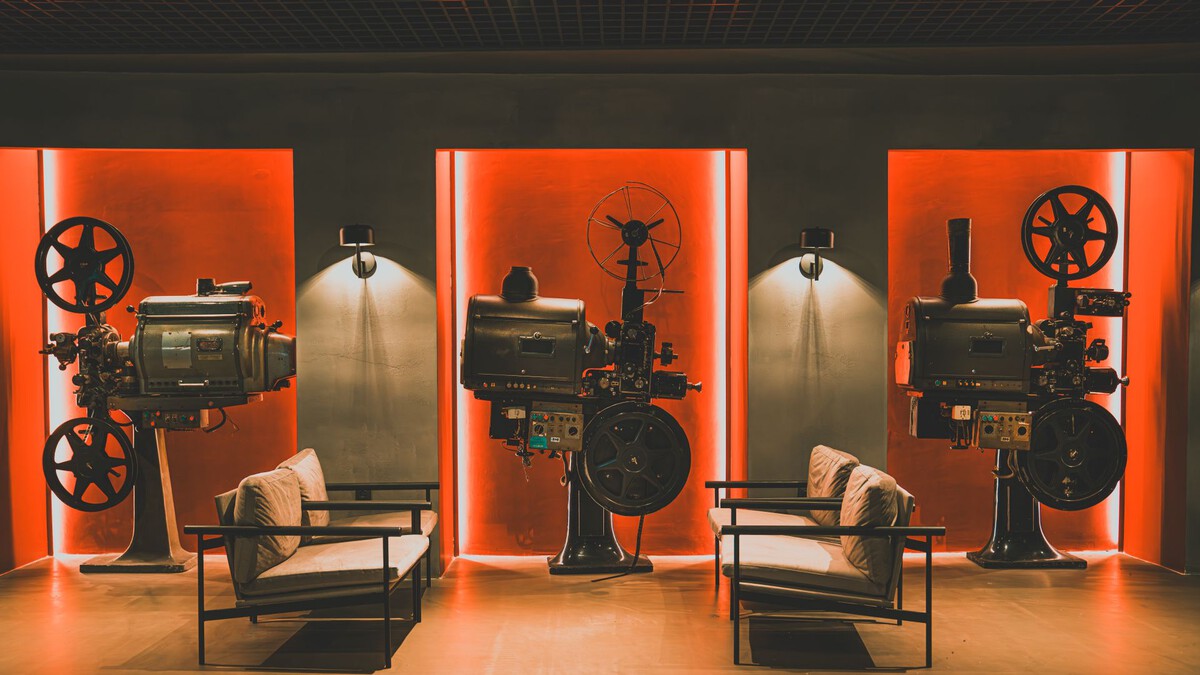
His collection is a timeline of projection technology. It includes a magic lantern from 1895-1900, a hand-cranked Pathé Baby from the 1920s designed for home use, a Marín bought in Infiesto that traveled with mobile cinemas, a Kinoton that required six men to dismantle, and the last projector from Barcelona's Cinebox, in service until 2004. There are also Philips, Eumig, and Bauer models—the list is enormous.
Preserving Cinema's Unsung Heroes
These projectors are more than just machines; they are the unsung heroes of cinema. They brought moving images to audiences long before digital projection took over. By restoring them, Trébol is preserving not just metal and glass, but the memories and experiences of generations of moviegoers.
His work ensures that future generations can understand how films were once shown, and appreciate the craftsmanship that went into these devices. Each projector has a story, and Trébol is determined to keep those stories alive.
From Trash to Treasure: The Restoration Process
Restoring vintage projectors is a labor of love. Trébol spends weeks on each machine, sourcing parts and meticulously cleaning and repairing components. The latest addition, a Yelco Super 8 with magnetic sound, arrived with a rotten belt and a blown lamp—just another challenge for him to enjoy.
In his workshop, you'll find stacks of Nodo newsreels, a valve amplifier, and countless tools. Every projector he saves is one less piece of history lost to the landfill.
The Dream of a Museum
Now, Trébol wants to open a museum in his hometown to display his collection. It would be a place where people can see these machines up close and learn about the evolution of cinema technology. Such a museum would not only honor his life's work but also provide a cultural attraction for the region.
For now, his collection remains in the municipal storage, waiting for the day it can be shared with the public. Trébol's dedication is a reminder that even in our digital age, the physical artifacts of our cultural heritage are worth preserving.
Why It Matters
In an era where everything is digital and disposable, Trébol's mission stands out. He is saving machines that were once considered obsolete and worthless, proving that they have immense historical and educational value. His work highlights the importance of preserving technological heritage, not just for nostalgia but for understanding our past.
Moreover, his collection is a testament to the ingenuity of early cinema engineers. Each projector is a piece of engineering history, and by keeping them running, Trébol is keeping that history alive. The background to this story is set out in Spider-Man Brand New Day Review: Zendaya Saves Tom Holland's. A related thread runs through Spider-Man: Brand New Day Review – Zendaya Saves Holland's. Earlier coverage in Dog Saves Man from Bomb; He Stays to Rescue Lebanon's Animals shows how the argument developed.
What's Next
Trébol continues to search for and restore projectors, hoping to add to his collection. He dreams of opening his museum, where visitors can marvel at these mechanical wonders. For those interested in cinema history, his story is an inspiration—a reminder that passion and perseverance can save even the most overlooked pieces of our culture. A closer look at the same subject appears in Trending: latest articles. Anyone following the wider picture can start with G-Lab KEYZ Elite 300 & 400 Wireless Mechanical Keyboards Hit Spain. The same theme surfaces in Spain's Burger Obsession in 2026: Market Growth and Trends, which takes a different angle.
As Trébol says, "All of them work." And with each restoration, he ensures that a little bit of cinema magic survives. Context on how this played out before sits in Peter Thiel Says Evil Is Better Than Bad in AI Debate. A companion piece, León Man Saves 150 Vintage Movie Projectors From Landfill, approaches the same subject from another angle.
FAQ
Who is Miguel Pérez García?
What kinds of projectors are in his collection?
Why does he restore these projectors?
Where does he keep his collection?
Browse the Shop
 Acacia frida deluxe solid wood bed frame |
Bedroom bench |
Bed chest drawers |
Lingerie dresser |
Frame base |
Mirror with jewelry storage |
30 Bathroom Vanity |
Memory foam queen mattress |
Mattresses for back pain |
Nightstand set of 2 |
Grand Goldman Shop |
Civil Lawyer
Deutschland Trikot WM 2026










