

The Madrid Open 2026 celebrates its 25th edition, yet the tournament continues to grapple with a persistent issue: empty seats at the Caja Mágica. Despite world-class facilities and a Masters 1000 status, the event struggles to fill its stands, raising questions about whether its luxury positioning is driving away the average tennis fan.
On paper, the Caja Mágica is one of the best-conceived tennis venues in Spain. Designed by Dominique Perrault and located in the Manzanares Linear Park, it boasts modern facilities and top-tier courts. Since 2019, former player Feliciano López has served as tournament director, balancing the role with his final seasons on tour. As a combined Masters 1000 event, it hosts both ATP and WTA draws simultaneously—one of only nine such tournaments globally, just below the four Grand Slams.
Find Original Home Decor sparking conversation at Grand Goldman Shop.

Why Does the Madrid Open Struggle to Fill Seats?
The conversation resurfaces every year: why are the stands so empty? Why does the atmosphere feel more like a corporate event than a Masters 1000? The answers are uncomfortable and point to specific factors.
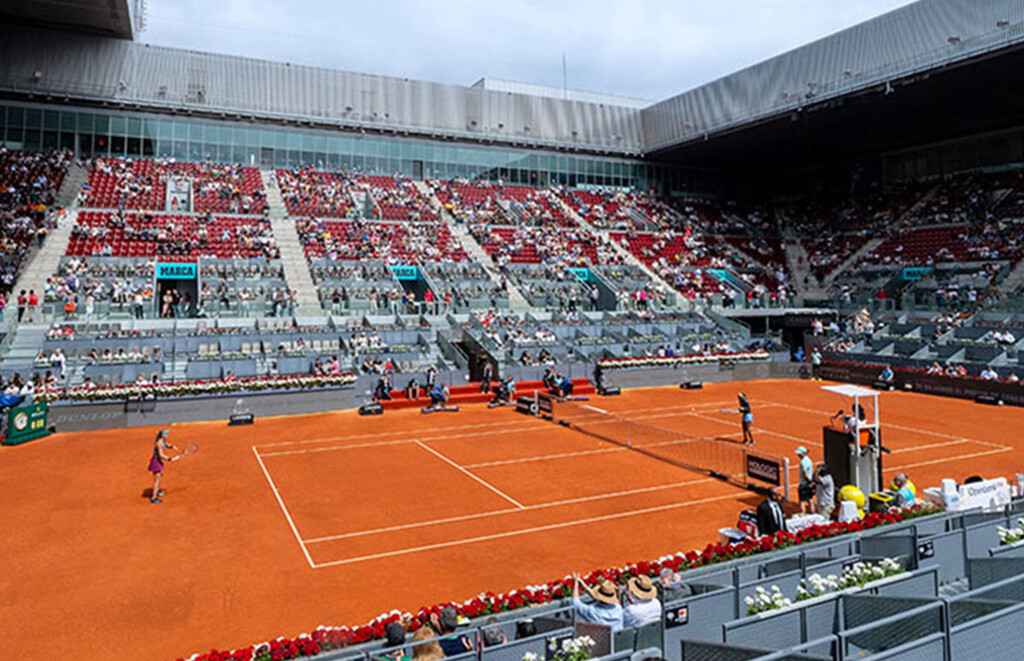
Ticket prices for the Manolo Santana Stadium, the main court with a capacity just under 10,000, range from €10 in the early rounds to €176 for semifinals and finals. While not outrageous, comparisons with Roland Garros—where similar seats on Philippe-Chatrier cost significantly more—suggest that price alone isn't the issue. Instead, the tournament's emphasis on luxury hospitality and corporate packages may be creating a perception of exclusivity that alienates regular fans.
The Luxury Trap: When Premium Backfires
The Madrid Open has increasingly positioned itself as a premium event, with high-end hospitality options and VIP experiences. While this attracts sponsors and wealthy attendees, it can also make the tournament feel inaccessible to the average tennis enthusiast. The result is a disconnect between the on-court product and the audience it aims to serve.
This strategy mirrors broader trends in sports, where events chase high-spending clients at the expense of atmosphere. But tennis thrives on crowd energy—players feed off it, and television viewers notice empty seats. The Madrid Open risks undermining its own product by prioritizing profit over passion.
- Ticket pricing is moderate but perceived as part of a luxury experience.
- Corporate hospitality dominates the venue, creating an exclusive vibe.
- Atmosphere suffers when stands are sparse, affecting player performance and fan engagement.
- Competition from other events and the post-pandemic shift in entertainment spending adds pressure.
How Does Madrid Compare to Other Masters 1000 Events?
When stacked against other Masters 1000 tournaments, Madrid's attendance challenges stand out. Events like Indian Wells and Miami have cultivated loyal fan bases through community engagement and accessible pricing. Madrid, by contrast, has yet to strike the right balance.
| Tournament | Location | Main Court Capacity | Ticket Price Range (EUR) | Typical Attendance |
|---|---|---|---|---|
| Madrid Open | Madrid, Spain | ~10,000 | 10-176 | Often sparse |
| Roland Garros | Paris, France | ~15,000 | 30-200+ | Near full |
| Indian Wells | California, USA | ~16,000 | 50-300 | High |
| Miami Open | Florida, USA | ~14,000 | 40-250 | Moderate |
While Madrid's prices are competitive, the perception of exclusivity and the lack of a compelling fan experience may be the real culprits. The tournament must address these intangibles to boost attendance.
What Can Be Done to Revive the Atmosphere?
To win back the average fan, the Madrid Open could learn from successful models. Community outreach, family-friendly packages, and dynamic pricing could make the event more accessible. Additionally, creating a festive atmosphere around the grounds—beyond the corporate tents—would help.
Feliciano López's leadership brings credibility, but he faces a tough balancing act: satisfying sponsors while filling seats with passionate fans. The 2026 edition will be a test case for whether the tournament can adapt.
What to Watch Next for the Madrid Open
As the 2026 tournament unfolds, keep an eye on attendance figures and fan feedback. If empty seats persist, the pressure to change will mount. The Madrid Open has the infrastructure to be a crown jewel of the clay season; it just needs to remember that tennis is as much about the crowd as it is about the players.
For those interested in how cities attract wealth and events, the dynamics of Madrid as a magnet for millionaires and Latin American wealth offer a broader context. The city's appeal to high-net-worth individuals may inadvertently influence the tournament's direction, but it also presents an opportunity to engage a diverse audience.
Understanding the economic impact of Latin American wealth in Madrid can shed light on sponsorship strategies. However, the tournament must not lose sight of its core fans. Striking the right balance is key.
Ultimately, the luxury real estate boom in Madrid mirrors the tournament's own challenges. Just as the city navigates exclusivity and inclusivity, so must the Madrid Open. The lessons from how Madrid became a hub for the wealthy could inform a more balanced approach.
As the wealthy continue to flock to Madrid, the tournament has a unique chance to bridge gaps. By embracing both luxury and accessibility, the Madrid Open can secure its future as a premier event that fans actually want to attend.
FAQ
Why are there empty seats at the Madrid Open?
Empty seats stem from a combination of high prices, a perception of exclusivity, and competition for entertainment spending. The tournament's focus on corporate hospitality may alienate average fans, leading to sparse crowds.
How do ticket prices at the Madrid Open compare to other tournaments?
Prices range from €10 to €176, which is moderate compared to Roland Garros and Indian Wells. However, the overall experience may feel less accessible due to the emphasis on luxury.
What is the Madrid Open doing to attract more fans?
The tournament has not announced specific initiatives for 2026, but experts suggest community engagement and dynamic pricing could help. Feliciano López's leadership may bring new ideas to improve attendance.
Is the Madrid Open a Masters 1000 event?
Yes, it is one of nine Masters 1000 tournaments and the only combined ATP/WTA event in that category. It is held at the Caja Mágica in Madrid.
Browse the Shop
 Acacia frida deluxe solid wood bed frame |
Bedroom bench |
Bed chest drawers |
Lingerie dresser |
Frame base |
Mirror with jewelry storage |
30 Bathroom Vanity |
Memory foam queen mattress |
Mattresses for back pain |
Nightstand set of 2 |
Grand Goldman Shop |
Civil Lawyer
Deutschland Trikot WM 2026







