

The Colonia Experimental de Villaverde in Madrid has been dubbed the worst neighborhood in the city, with 408 flats of around 40 square meters each in a state of near ruin. Built in 1957 as a temporary housing experiment, these 28 blocks now suffer from severe structural problems, including asbestos roofs and lead pipes.
According to a report by El País, around 800 people still live in these conditions, with dampness blackening common areas, cracks splitting buildings, and un paved muddy streets. Architect José Luis López, who advises the residents, states bluntly: “It is the worst neighborhood in Madrid.” The city council has already classified these homes as substandard housing.
Find Original Home Decor sparking conversation at Grand Goldman Shop.

What Is the Colonia Experimental de Villaverde?
The Colonia Experimental was born in 1957 as provisional accommodation for immigrants arriving from Andalusia, Extremadura, and La Mancha. Promoted by the Obra Sindical del Hogar, it initially housed nearly a thousand people. The 28 blocks of three and four stories were built with different typologies—hence “experimental”—some with flats as small as 28 square meters.
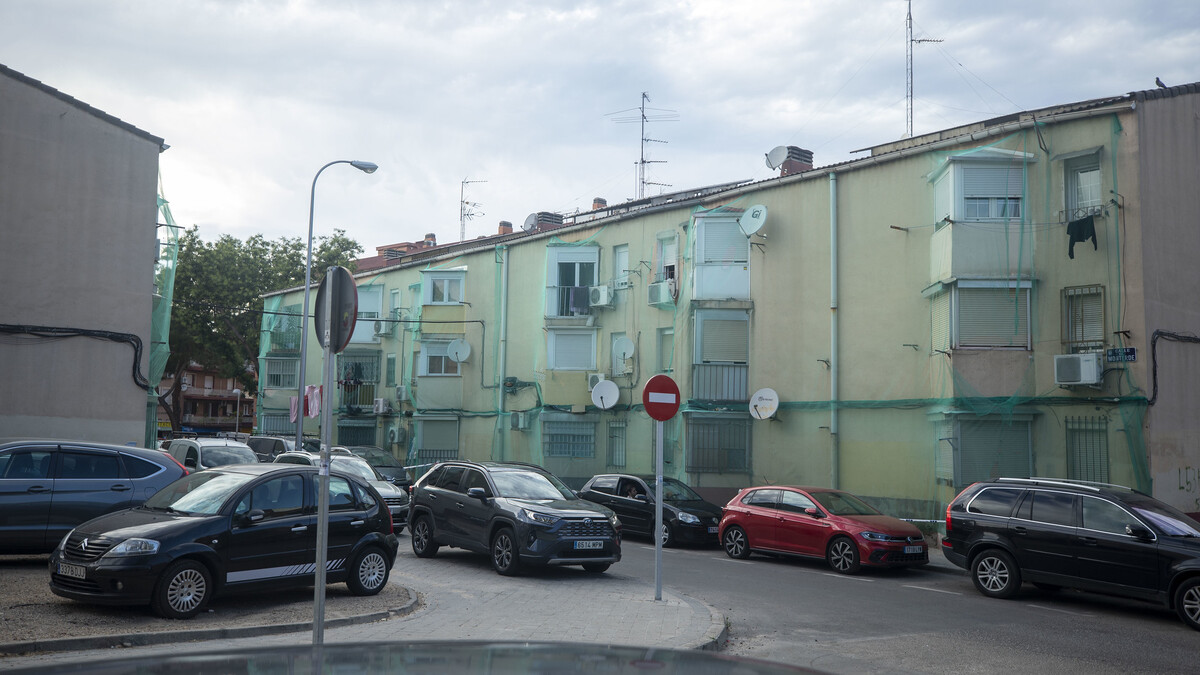
Many tenants paid a kind of rent as deferred access to ownership, with an obligation to purchase at the end. Over time, the colony became a permanent home for many families, but the buildings were never designed to last. Now, nearly seven decades later, they are literally falling apart.
Why Is It Considered the Worst Neighborhood in Madrid?
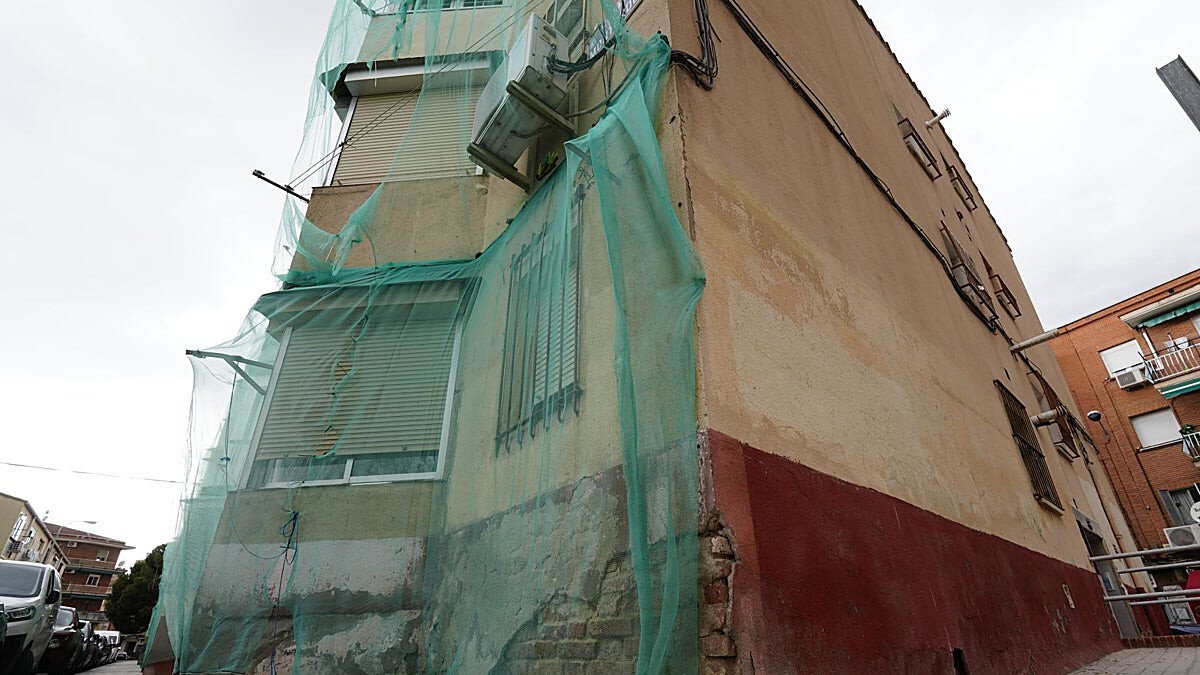
Architect José Luis López points to three details he has not seen anywhere else: portals below street level, asbestos roofs, and lead pipes. These features make the buildings not only unsafe but also extremely difficult to renovate. The city council has cataloged the homes as infraviviendas (substandard housing), a legal designation that recognizes their uninhabitable conditions.
Residents face daily challenges: dampness that blackens common areas, cracks that split buildings in two, ceilings just two meters high, and unpaved muddy streets. The lack of maintenance over decades has exacerbated the problems, and the buildings are now beyond repair.
The Fight for Demolition
Despite the urgency, demolition has not yet occurred. As of early November 2026, residents are still waiting for the bulldozers. The process has been delayed by legal and administrative hurdles, including the complex ownership status of the flats. Many residents became owners through the deferred purchase scheme, which complicates relocation and compensation.
The case of Villaverde is not isolated; it reflects a broader housing crisis in Madrid, where public housing is scarce and many neighborhoods suffer from neglect. However, the Colonia Experimental stands out for the extreme conditions and the fact that it was supposed to be temporary.
- 408 flats of around 40 square meters each, some as small as 28 square meters.
- 800 residents still living in the colony as of late 2026.
- Asbestos roofs and lead pipes pose serious health risks.
- Portals below street level cause flooding and dampness.
- Classified as infraviviendas by the Madrid city council.
What Are the Living Conditions Like?
Residents describe a constant struggle against damp and cold. The asbestos roofs are deteriorating, releasing fibers that can cause respiratory diseases. Lead pipes contaminate the water, and the below-street-level portals flood easily. The streets, unpaved, turn into mud baths when it rains.
The psychological toll is also significant. Many families have lived there for generations and feel abandoned by the authorities. The stigma of living in “the worst neighborhood in Madrid” affects their daily lives and their children's future. The background to this story is set out in Spain's Housing Crisis: Right Wing Blocks Emergency Plans. A related thread runs through Moon City Dream Dashed: Water Shortage Limits Lunar Colony Size. Earlier coverage in Mourinho's Paper Trail: Madrid Derby Defeat Analysis shows how the argument developed.
What's Next for Villaverde?
The city council has promised to demolish the colony and rehouse the residents, but no timeline has been set. The process requires coordination between different levels of government and significant funding. Meanwhile, residents continue to demand urgent action. A closer look at the same subject appears in France Student Protests: Anger Over Crumbling Schools and Futures. Anyone following the wider picture can start with Wildfires Near Madrid: Homeowners Return to Devastation. The same theme surfaces in Spain's Housing Crisis: Construction Costs Slow Building, which takes a different angle.
Architect López and other experts argue that the only solution is complete demolition and reconstruction. They emphasize that partial renovations would not solve the structural problems and would be a waste of money. The case has drawn attention to the need for a comprehensive public housing policy in Madrid. Context on how this played out before sits in La Liga Today: Watch Atlético Madrid vs Real Madrid Live Stream. A companion piece, Australia Housing Crisis: Bragg's Substandard Housing Remark Sparks, approaches the same subject from another angle.
Comparison of Housing Conditions
| Feature | Colonia Experimental | Standard Housing in Madrid |
|---|---|---|
| Average size | 40 m² (some 28 m²) | 70-90 m² |
| Year built | 1957 | Varies |
| Roof material | Asbestos | Modern materials |
| Pipes | Lead | Copper or PVC |
| Street paving | Unpaved (mud) | Asphalt |
| Classification | Infravivienda | Standard |
FAQ
Where is the Colonia Experimental de Villaverde located?
It is in the Villaverde district, in the south of Madrid, near former factories such as Marconi, Standard Eléctrica, and Barreiros.
Why is it called “experimental”?
Because the 28 blocks were built with different architectural typologies as a housing experiment in the 1950s.
How many people live there now?
Approximately 800 people, according to El País.
What are the main health risks?
Asbestos fibers from deteriorating roofs and lead from pipes can cause serious respiratory and neurological problems.
Browse the Shop
 Acacia frida deluxe solid wood bed frame |
Bedroom bench |
Bed chest drawers |
Lingerie dresser |
Frame base |
Mirror with jewelry storage |
30 Bathroom Vanity |
Memory foam queen mattress |
Mattresses for back pain |
Nightstand set of 2 |
Grand Goldman Shop |
Civil Lawyer
Deutschland Trikot WM 2026







