

A man from Casabermeja, Málaga, is facing a 15-month prison sentence for installing a mobile home on rustic land he purchased, highlighting the legal risks of placing movable structures on protected soil in Spain.
The case, reported by Málaga Hoy and HuffPost, involves a 3,127-square-meter plot classified as common rustic land. The prosecution alleges a crime against territorial planning, but the defense argues the structure is movable and therefore not subject to planning laws.
Find Original Home Decor sparking conversation at Grand Goldman Shop.

The Case Against the Owner
In 2022, the defendant bought the plot and soon after placed a second-hand mobile home on it. The Prosecutor's Office in Málaga is seeking 15 months in prison, though this is a request, not a conviction, and the case awaits trial.
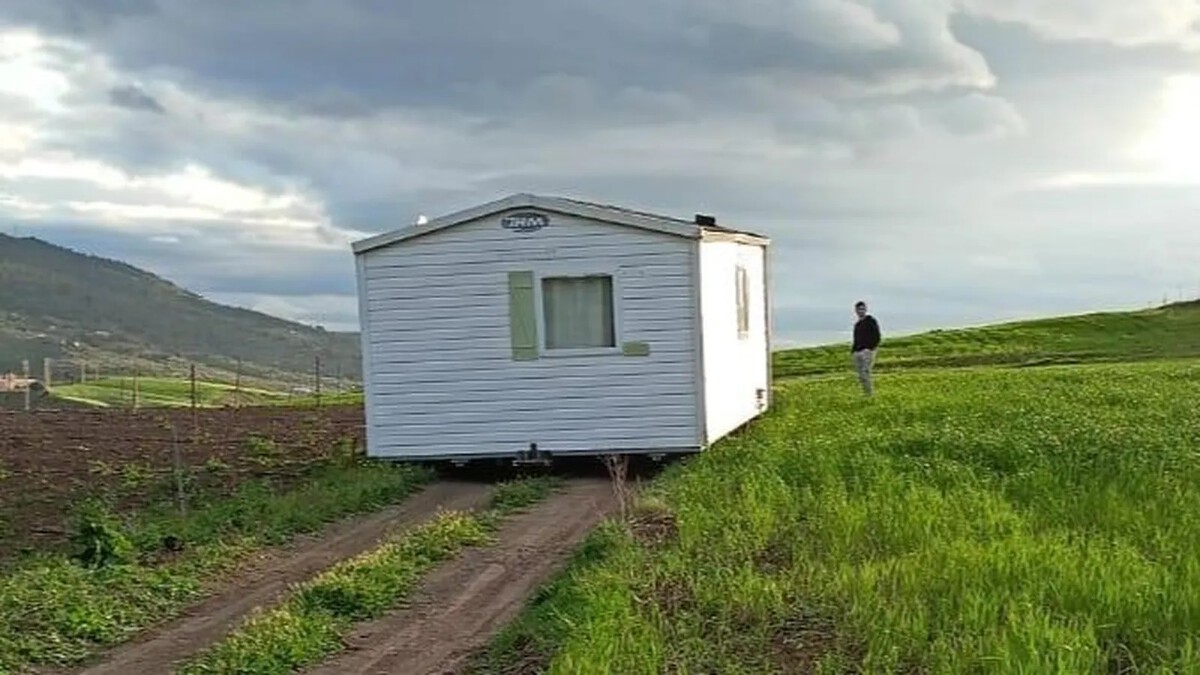
The charge is based on the claim that the mobile home constitutes a permanent construction without the necessary permits. The prosecution argues that its placement on rustic land violates territorial planning regulations.
Defense: It's Movable, Not a Building
The defendant's lawyer, Miguel Ángel Escalante, contends that the structure is a movable asset, not a building. It rests on wheels, has no foundation, and according to a supplier's report, can be removed "in a matter of minutes."
Escalante adds that his client never lived there, was not registered at the address, and that neither the Guardia Civil nor the municipal technician found anyone inside. The owner claims he intended to store tools and grow a small vegetable garden.
Furthermore, the defense asserts that two deposits, a container, and fencing were already present when the plot was purchased, supported by video evidence. There was also an arrest warrant after a failed notification at the property, but the defendant was located shortly after at his regular home—a fact the defense uses in his favor.
Legal Precedent: Wheels Don't Matter
The defense's argument faces a significant hurdle: recent jurisprudence. In December 2024, the Supreme Court established in ruling 191... [the article continues, but the excerpt ends here].
Spanish courts have increasingly ruled that the presence of wheels does not exempt a structure from planning laws if it is used as a dwelling or has a permanent character. The key factor is often the intent and duration of use, not merely mobility.
Implications for Property Owners
This case underscores the importance of verifying land classifications and obtaining proper permits before placing any structure, even temporary ones, on rustic land. Many buyers are unaware that even movable homes can be subject to strict regulations. The longer history behind the story is traced in Mobile Home on Rustic Land Sparks 15-Month Prison Request in Spain. More on the surrounding debate is collected in Urban Trees Under Threat: Why Cities Are Cutting Them.
For those considering rural property in Spain, consulting a specialized lawyer is essential to avoid legal pitfalls. The consequences can include heavy fines, demolition orders, and even prison sentences. The background to this story is set out in Spain Extradition Case: US Request for Leftwing Donor Sparks Pressure. A related thread runs through Essential Tools for Installing Parquet Flooring Like a Pro. Earlier coverage in 5 Tips for Installing Wood-Look Porcelain Tile Flooring shows how the argument developed.
What to Watch Next
The outcome of this trial could set a precedent for similar cases across Spain. As the demand for alternative living arrangements grows, clarity on what constitutes a movable home versus a permanent building will be crucial. A closer look at the same subject appears in Trending: latest articles. Anyone following the wider picture can start with Spain's Grandchildren Law Sparks Election Controversy. The same theme surfaces in Salamanca Pool in Courtyard: Neighbor Still Sought by City, which takes a different angle.
Property owners should stay informed about local planning laws and ensure all structures are legally compliant. The distinction between movable and permanent can be the difference between a dream home and a legal nightmare. Context on how this played out before sits in Transform a Tool Cabinet into a Mobile Workbench. A companion piece, How to Build a Mobile Wooden Outdoor Kitchen on Wheels, approaches the same subject from another angle.
FAQ
Can I put a mobile home on rustic land in Spain?
Generally, no. Rustic land is protected from urban development, and placing a mobile home may require specific permits or be prohibited altogether. Always check local regulations and consult a lawyer.
What is the penalty for illegal construction on rustic land?
Penalties can include fines, demolition orders, and in severe cases, prison sentences of up to several years, as seen in this case where the prosecution seeks 15 months.
Does a mobile home with wheels count as a building?
Spanish courts have ruled that if the structure is used as a dwelling and has a permanent character, it may be considered a building regardless of wheels. Recent Supreme Court jurisprudence supports this view.
What should I do before buying rustic land in Spain?
Verify the land classification, obtain a certificate from the town hall, and consult with a legal expert to understand what structures are allowed and what permits are needed.
Browse the Shop
 Acacia frida deluxe solid wood bed frame |
Bedroom bench |
Bed chest drawers |
Lingerie dresser |
Frame base |
Mirror with jewelry storage |
30 Bathroom Vanity |
Memory foam queen mattress |
Mattresses for back pain |
Nightstand set of 2 |
Grand Goldman Shop |
Civil Lawyer
Deutschland Trikot WM 2026







