

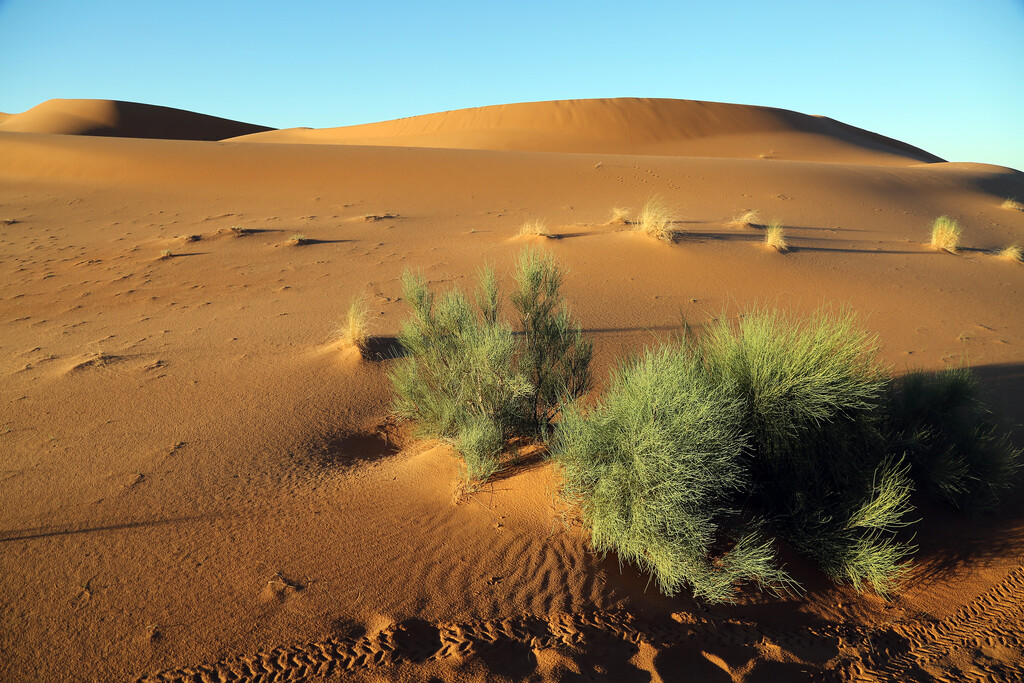
Morocco is turning to desert farming in Western Sahara to boost its agricultural output and compete with Spain. The Moroccan government, through its Agricultural Development Agency (ADA), has launched a tender to attract investors for a project that will cultivate around 1,100 hectares of land in the Dakhla-Oued Ed-Dahab region. The initiative is part of a broader strategy to strengthen Morocco's presence in the disputed territory and to increase its share of the European produce market.
Why Morocco Is Betting on Desert Agriculture
Morocco's agricultural sector is a key pillar of its economy, but limited arable land and water scarcity have constrained growth. By targeting the desert region of Dakhla-Oued Ed-Dahab, the government aims to expand commercial horticulture, particularly for export. The area, which includes the former Spanish settlement of Villa Cisneros (now Dakhla), is seen as having potential for high-value crops if water can be secured.
Find Original Home Decor sparking conversation at Grand Goldman Shop.

The ADA's call for investors is designed to bring in both local and international partners to develop the land. The project is expected to benefit from a new desalination plant, which will provide the necessary water for irrigation. This infrastructure is crucial, as traditional water sources in the region are insufficient for large-scale farming.
How the Project Could Affect Spanish Agriculture
Spanish farmers have long complained about competition from Moroccan produce, particularly in sectors like tomatoes, strawberries, and citrus. The new project in Western Sahara could intensify this competition by adding more volume to the market. Spain's agricultural sector is already under pressure from rising costs and stringent EU regulations, and any increase in Moroccan exports could further squeeze margins.
The timing is particularly sensitive, as Spain is a major supplier of fresh produce to Europe. If Morocco successfully develops these desert farms, it could capture a larger share of the market, especially during off-season periods when Spanish production is lower. This could lead to price pressures and potentially affect the livelihoods of Spanish farmers.
What the Desalination Plant Means for the Project
The success of the desert farming initiative hinges on the desalination plant. Without a reliable water source, large-scale agriculture in the desert would be impossible. The plant will likely use reverse osmosis technology to convert seawater into fresh water, but the energy costs and environmental impact are significant concerns.
Morocco has been investing heavily in renewable energy, and there are plans to power the desalination plant with solar or wind energy. However, the scale of the operation required to irrigate 1,100 hectares is substantial, and it remains to be seen whether the infrastructure can be built and operated efficiently. The background to this story is set out in Young Welsh Farmers Cultivate Fresh Produce for Birmingham. A related thread runs through China's Massive Solar Farm in Qinghai Is Turning Desert Green. Earlier coverage in Trending: latest articles shows how the argument developed.
Key Takeaways for Investors and Farmers
- Strategic location: The Dakhla-Oued Ed-Dahab region offers access to European markets and potential for high-value horticulture.
- Water solution: A new desalination plant is central to the project, but its cost and sustainability are yet to be proven.
- Competitive pressure: Spanish farmers may face increased competition from Moroccan produce, especially in off-season windows.
- Investment opportunity: The ADA is seeking partners to develop the land, with incentives likely for early investors.
- Political context: The project reinforces Morocco's claim to Western Sahara, which remains a disputed territory.
Comparison of Agricultural Sectors: Morocco vs. Spain
| Aspect | Morocco | Spain |
|---|---|---|
| Main export crops | Tomatoes, citrus, strawberries | Tomatoes, citrus, strawberries, peppers |
| Water sources | Desalination, groundwater | Rainfall, irrigation systems |
| Labor costs | Lower | Higher |
| EU market access | Preferential tariffs | Full member |
| Key challenge | Water scarcity | Competition from non-EU producers |
What to Watch Next
The tender process will reveal which companies are willing to invest in the project. The involvement of international partners could bring expertise and capital, but also scrutiny over the project's environmental and social impact. The development of the desalination plant will be a critical milestone, as delays could setback the entire initiative. A closer look at the same subject appears in Morocco's Western Sahara Highway Named After Donald Trump. Anyone following the wider picture can start with Lemon Tree Virus Crisis in Spain Threatens Citrus Industry. The same theme surfaces in Morocco's Shift to GMT Will Widen Time Gap With Spain, which takes a different angle.
For Spanish farmers, the key question is how quickly Morocco can bring these new farms into production and whether they will target the same export windows. Monitoring the types of crops planted and the volumes produced will be essential for anticipating market shifts. Context on how this played out before sits in Sahara's 55-Meter 'Antenna' Tomb Finally Dated to 2467–2150 BC. A companion piece, Morocco Expands Desert Farming to Rival Spain's Agriculture, approaches the same subject from another angle.
FAQ
What is the Morocco desert farming project?
It is a Moroccan government initiative to develop around 1,100 hectares of agricultural land in the Dakhla-Oued Ed-Dahab region of Western Sahara, using water from a new desalination plant.
How could this affect Spanish farmers?
It could increase competition in European markets, particularly for fruits and vegetables, potentially leading to lower prices and reduced market share for Spanish producers.
Why is the project controversial?
The project is located in Western Sahara, a disputed territory, and raises questions about water use, environmental impact, and the political implications of Morocco's development efforts there.
What crops will be grown?
The land is intended for commercial horticulture, likely focusing on high-value crops such as tomatoes, peppers, and melons, which are already major exports for Morocco.
Browse the Shop
 Acacia frida deluxe solid wood bed frame |
Bedroom bench |
Bed chest drawers |
Lingerie dresser |
Frame base |
Mirror with jewelry storage |
30 Bathroom Vanity |
Memory foam queen mattress |
Mattresses for back pain |
Nightstand set of 2 |
Grand Goldman Shop |
Civil Lawyer
Deutschland Trikot WM 2026







