

The mystery of a 17th-century shipwreck found off England's coast has finally been solved, revealing a Dutch merchant vessel named the Dom van Keulen that carried hundreds of gold coins. The announcement comes nearly three decades after divers first stumbled upon the wreck in Salcombe Bay, Devon, in 1994.
The ship, a Dutch merchantman, set sail from Morocco in the autumn of 1633 bound for the Netherlands. Its story, however, ended in the English Channel, where it lay hidden for centuries until its rediscovery.
Find Original Home Decor sparking conversation at Grand Goldman Shop.

Discovery of the Salcombe Shipwreck
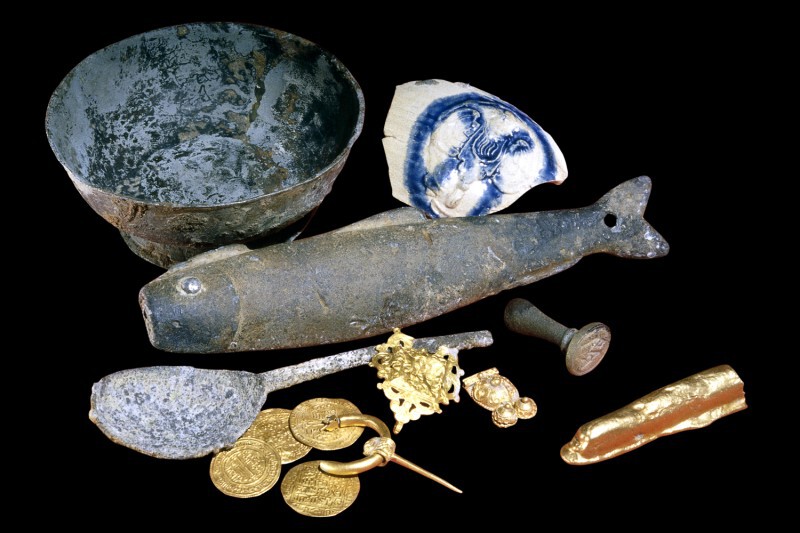
In the mid-1990s, a group of British divers exploring the waters of Salcombe Bay came across the remains of a heavily degraded vessel. Despite its condition, the wreck concealed a remarkable treasure: hundreds of gold coins, jewelry, and ceramics, most of which are now preserved at the British Museum.
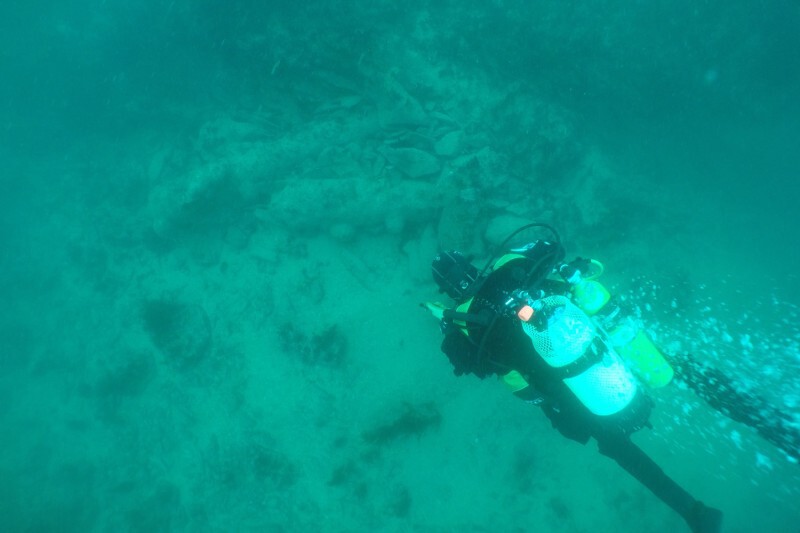
The initial find sparked excitement but also a lingering question: what was the ship's name, where had it come from, and where was it going? For three decades, those questions remained unanswered.
Unraveling the Identity of the Dom van Keulen
Researchers have now identified the vessel as the Dom van Keulen, a Dutch merchant ship. According to a publication released by the British Museum, the ship departed from Morocco in late 1633 with its cargo hold filled with valuable goods, including some 400 gold coins.
The ship's destination was the Netherlands, but it never arrived. Instead, it sank in the English Channel, possibly due to bad weather or other hazards. The wreck's location in Salcombe Bay, however, suggests it may have been blown off course before going down.
What the Treasure Tells Us
The artifacts recovered from the site offer a glimpse into 17th-century trade and wealth. The gold coins, in particular, indicate the high value of the cargo and the ship's role in international commerce.
Other items, such as jewelry and ceramics, provide further evidence of the ship's origins and the goods it carried. The British Museum's collection now houses most of these finds, allowing researchers to study them in detail.
Key Takeaways from the Discovery
- The shipwreck was found in 1994 in Salcombe Bay, England.
- The vessel is now identified as the Dutch merchant Dom van Keulen.
- It sailed from Morocco to the Netherlands in 1633.
- The wreck contained around 400 gold coins, plus jewelry and ceramics.
- Most artifacts are preserved at the British Museum.
Why It Took Three Decades to Solve
Identifying a shipwreck from centuries ago is no easy task. Researchers must piece together clues from the wreck's structure, cargo, and historical records.
In this case, the ship's name and origin were not immediately obvious. It was only through careful analysis and comparison with archival documents that the team was able to confirm the vessel's identity.
The breakthrough came when researchers matched details of the wreck with records of a Dutch ship that had gone missing in the English Channel around that time. The longer history behind the story is traced in Scurvy: How Basque Whalers Avoided the Deadly Disease. More on the surrounding debate is collected in Rare Visigoth Tombstone Reveals Exact Death Date of a 10-Year-Old Girl.
Comparison of Shipwreck Details
| Feature | Details |
|---|---|
| Ship Name | Dom van Keulen |
| Origin | Netherlands |
| Departure Port | Morocco |
| Destination | Netherlands |
| Year of Departure | 1633 |
| Treasure | ~400 gold coins, jewelry, ceramics |
| Discovery Year | 1994 |
| Location | Salcombe Bay, Devon, England |
What Happens Next
The identification of the Dom van Keulen adds a new chapter to the maritime history of the 17th century. It also highlights the importance of underwater archaeology in uncovering stories that would otherwise be lost. The background to this story is set out in Westminster Abbey Roman Sarcophagus Mystery Finally Solved. A related thread runs through Nor'easter Uncovers 19th-Century Shipwreck in Massachusetts. Earlier coverage in Roman Shipwreck with 500 Amphorae Found Off Sicily Coast shows how the argument developed.
Researchers may now focus on learning more about the ship's crew, its cargo, and the circumstances of its sinking. Such details could shed light on trade routes and naval technology of the era. A closer look at the same subject appears in Diriyah Treasure: 1,200-Year-Old Gold Coins Found on Hajj Route. Anyone following the wider picture can start with SS Yongala: The 1911 Shipwreck That Became a Thriving Reef. The same theme surfaces in Nefertiti's Tomb: Hidden Chamber May Finally Solve the Mystery, which takes a different angle.
For the public, the story of the Salcombe shipwreck is a reminder of the treasures that lie beneath the sea, waiting to be discovered and understood. Context on how this played out before sits in Jacobean Music and Masques at Banqueting House: A 17th-Century Party. A companion piece, Banqueting House DJ Set: 17th Century Music and Masques, approaches the same subject from another angle.
FAQ
What is the Salcombe shipwreck?
The Salcombe shipwreck is a 17th-century Dutch merchant vessel discovered in 1994 in Salcombe Bay, Devon, England. It was recently identified as the Dom van Keulen.
What treasure was found on the ship?
The wreck contained hundreds of gold coins, jewelry, and ceramics. Most of these artifacts are now housed in the British Museum.
Why did it take so long to identify the ship?
Identifying a centuries-old shipwreck requires extensive research and matching with historical records. The ship's name and origin were not immediately clear, and it took decades of study to confirm its identity.
Where was the ship going?
The Dom van Keulen departed from Morocco in 1633 and was bound for the Netherlands. It sank in the English Channel before reaching its destination.
Browse the Shop
 Acacia frida deluxe solid wood bed frame |
Bedroom bench |
Bed chest drawers |
Lingerie dresser |
Frame base |
Mirror with jewelry storage |
30 Bathroom Vanity |
Memory foam queen mattress |
Mattresses for back pain |
Nightstand set of 2 |
Grand Goldman Shop |
Civil Lawyer
Deutschland Trikot WM 2026







