

In the ancient Roman city of Mérida, Spain, archaeologists have unearthed a remarkable discovery: a set of well-preserved Roman murals in a luxurious domus. The find, announced recently, sheds new light on the opulent lifestyle of the city's elite during the Roman Empire.
What Was Discovered in Mérida?
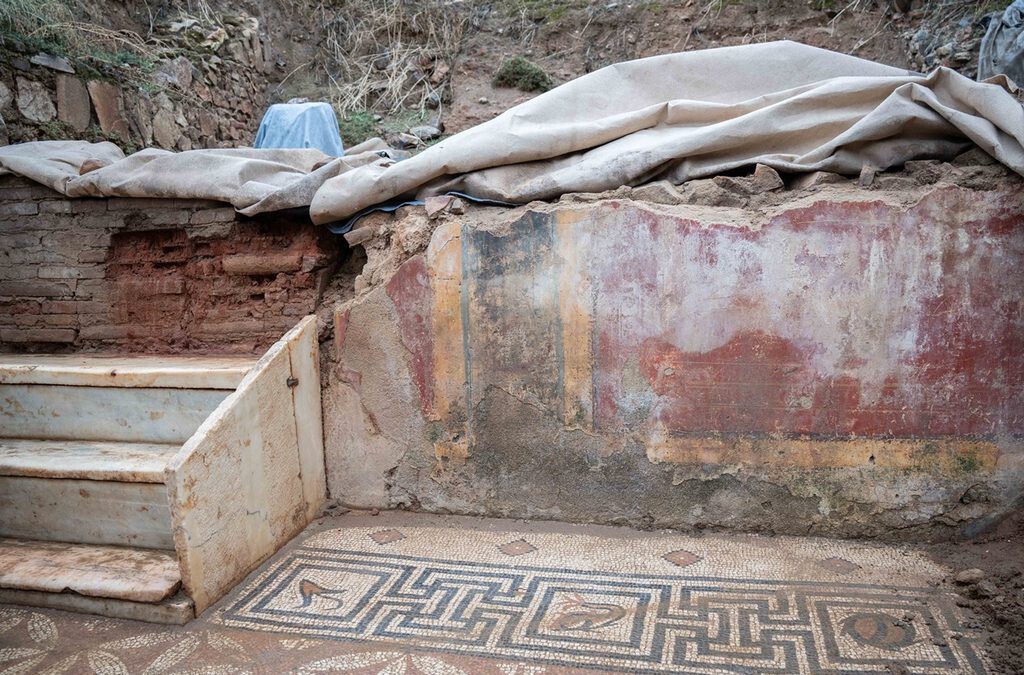
The murals were found in the Huerta de Otero, a Roman house that has been under excavation since the 1970s. The latest campaign, conducted by the Barraeca V School of Apprenticeship, revealed paintings depicting mythological themes, plants, and animals. These murals are considered unique in the region and offer a rare glimpse into Roman decorative art.
Find Original Home Decor sparking conversation at Grand Goldman Shop.

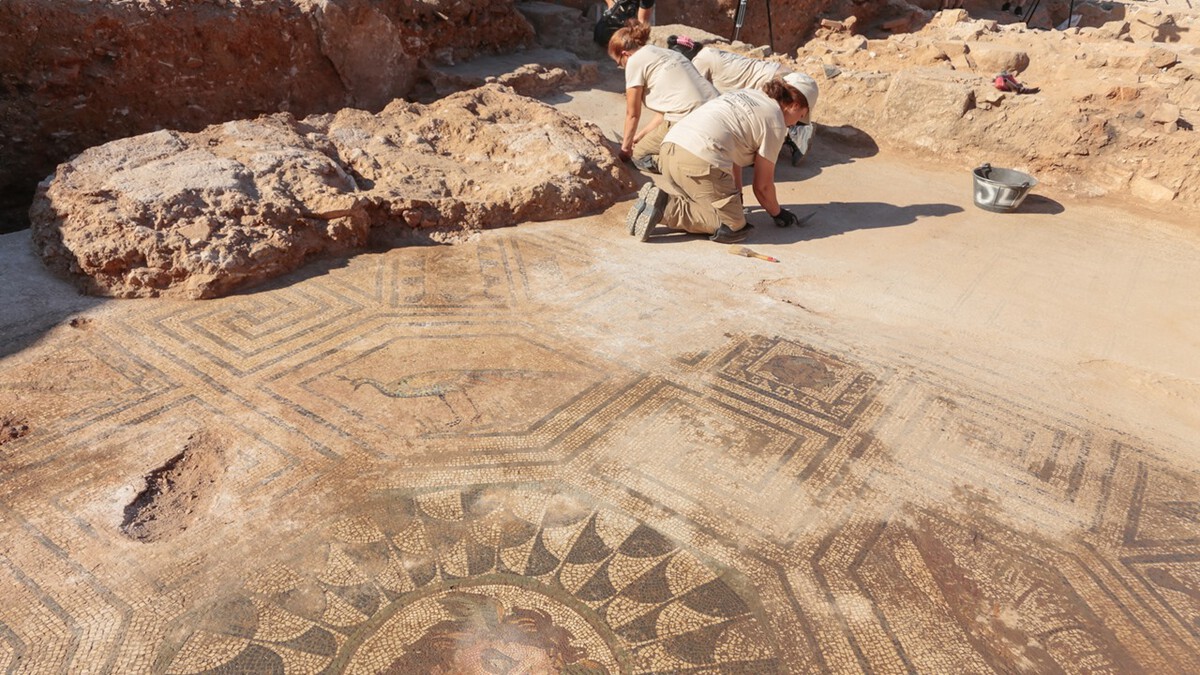
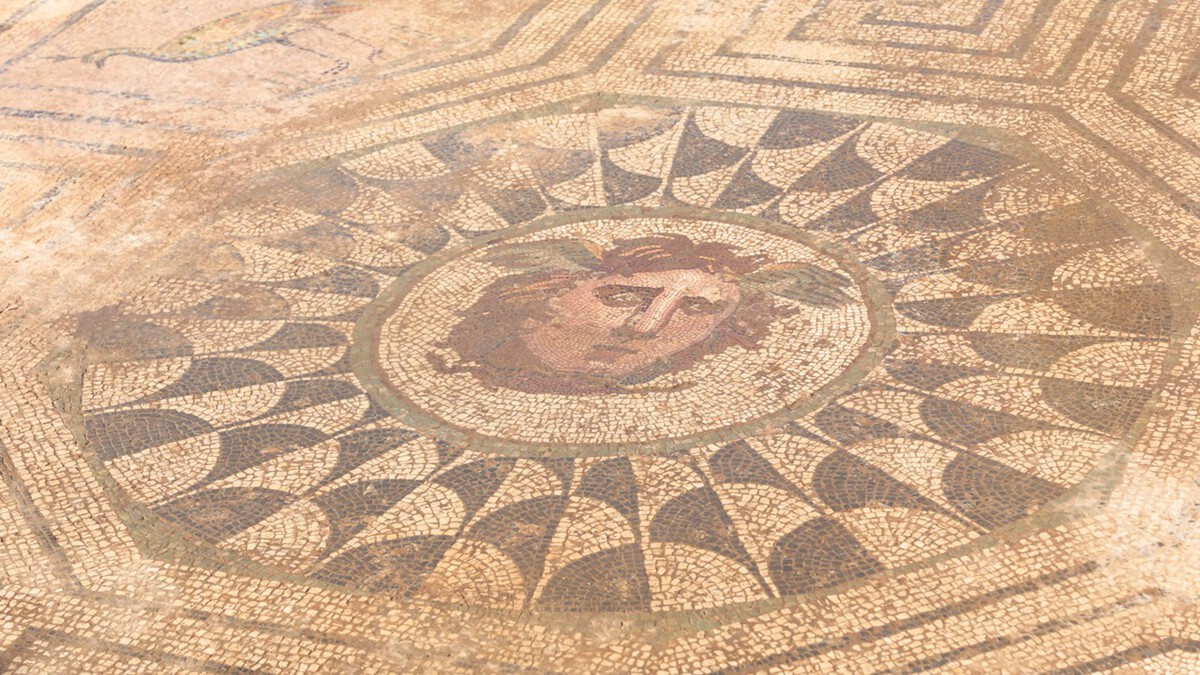
The house itself is believed to have belonged to a wealthy family, as evidenced by its size and the quality of its decorations. Previous discoveries at the site include a large polychrome mosaic of 30 square meters, found in summer 2023.
Why Are These Murals Significant?
The murals are significant because they are exceptionally well-preserved and feature a variety of motifs that are rarely found together. They provide valuable insights into the artistic tastes and cultural influences of the time. The combination of mythological scenes with natural elements suggests a sophisticated decorative program.
Moreover, the murals help date the occupation of the house, which is thought to have been inhabited between the 1st and 5th centuries AD. This period spans the height of the Roman Empire and its later decline, making the house a witness to significant historical changes.
What Else Has Been Found at the Site?
In addition to the murals, the excavation has yielded a stunning mosaic and other architectural elements. The mosaic, with its vibrant colors and intricate patterns, is one of the largest found in Mérida. These finds collectively indicate that the domus was a high-status residence.
The site covers approximately 5,000 square meters, but only 15% has been excavated so far. Experts believe that much more remains to be discovered, including potentially more rooms with decorations and artifacts.
Who Is Responsible for the Excavation?
The excavation is being carried out by the Barraeca V School of Apprenticeship, a center that trains archaeology workers. This initiative not only advances our knowledge of the past but also provides hands-on training for future professionals. The project is supported by the Mérida City Council.
The involvement of students and apprentices highlights the importance of educational programs in archaeology. It also ensures that the skills needed to preserve and study such sites are passed on to the next generation.
What Does This Mean for Mérida's Archaeological Heritage?
Mérida, known as Emerita Augusta in Roman times, was the capital of the province of Lusitania. It boasts a wealth of Roman monuments, including a theater, amphitheater, and circus. The new discovery adds to the city's already impressive archaeological record and reinforces its status as a major center for Roman studies.
The findings also underscore the potential for further discoveries in the region. As excavation continues, Mérida may reveal even more about its Roman past, attracting researchers and tourists alike. The background to this story is set out in Paris Notre-Dame Roman City Unearthed: The 1965 Discovery. A related thread runs through Ancient Roman Curse Tablet Unearthed in Netherlands. Earlier coverage in 260 Ancient Tombs Unearthed in Sudan Desert shows how the argument developed.
What to Watch Next
Future excavation seasons will likely focus on uncovering more of the domus and its decorations. The team hopes to find additional rooms with murals or mosaics, and perhaps artifacts that can shed light on the daily life of the inhabitants. Conservation efforts will be crucial to preserve the delicate paintings for future generations. A closer look at the same subject appears in Alarcos Excavation Reveals Major Archaeological Discovery in Spain. Anyone following the wider picture can start with Archaeologists Uncover Ancient Secrets on the Cíes Islands. The same theme surfaces in Viking Silver Treasure Unearthed in Denmark by Gardener, which takes a different angle.
As the site is only partially excavated, there is great anticipation for what else might be found. The murals and mosaic are already being studied by experts, and their findings will be published in due course. Context on how this played out before sits in Viking Textile Factory Discovery: 82 Workshops Unearthed in Denmark. A companion piece, Ancient Child Burial with Sword Unearthed in France, approaches the same subject from another angle.
- The murals were found in the Huerta de Otero domus in Mérida, Spain.
- They feature mythological, plant, and animal motifs and are exceptionally well-preserved.
- The house is believed to have belonged to a wealthy family and was occupied between the 1st and 5th centuries AD.
- Only 15% of the 5,000 m² site has been excavated, suggesting more discoveries to come.
- The excavation is conducted by the Barraeca V School of Apprenticeship, providing training for archaeology workers.
| Discovery | Description | Date |
|---|---|---|
| Polychrome mosaic | 30 m² mosaic with intricate patterns | Summer 2023 |
| Roman murals | Well-preserved paintings with mythological, plant, and animal themes | Recent campaign |
| Domus | Luxurious Roman house with 5,000 m² area | Occupied 1st-5th centuries AD |
FAQ
Where were the Roman murals discovered?
The murals were discovered in the Huerta de Otero, a Roman domus in Mérida, Spain. The site has been under excavation since the 1970s, but the latest campaign revealed the paintings.
What do the murals depict?
The murals feature mythological scenes, plants, and animals. They are well-preserved and provide insight into Roman artistic preferences.
How old are the murals?
The house is believed to have been inhabited between the 1st and 5th centuries AD, so the murals likely date to that period. However, exact dating requires further analysis.
Will there be more discoveries at the site?
Yes, only 15% of the 5,000 m² site has been excavated. Experts expect further discoveries in future seasons.
Browse the Shop
 Acacia frida deluxe solid wood bed frame |
Bedroom bench |
Bed chest drawers |
Lingerie dresser |
Frame base |
Mirror with jewelry storage |
30 Bathroom Vanity |
Memory foam queen mattress |
Mattresses for back pain |
Nightstand set of 2 |
Grand Goldman Shop |
Civil Lawyer
Deutschland Trikot WM 2026







