

South Korea has officially become a super-aged society, with more than 20% of its population now over 65. This milestone, reached in December 2024, has sparked a national conversation about what it means to be "elderly" and whether the traditional age threshold still makes sense.
The question is not merely semantic. It carries profound implications for retirement, healthcare, employment, and social policy in a country grappling with a rapidly aging population and a persistently low birth rate.
Find Original Home Decor sparking conversation at Grand Goldman Shop.

South Korea's Super-Aged Status: The Numbers Behind the Label
South Korea's journey to super-aged status has been swift. Just over two decades ago, it was a relatively young nation. Today, nearly 11 million people—21% of the population—are 65 or older. This demographic shift is the result of decades of declining birth rates and increasing life expectancy.
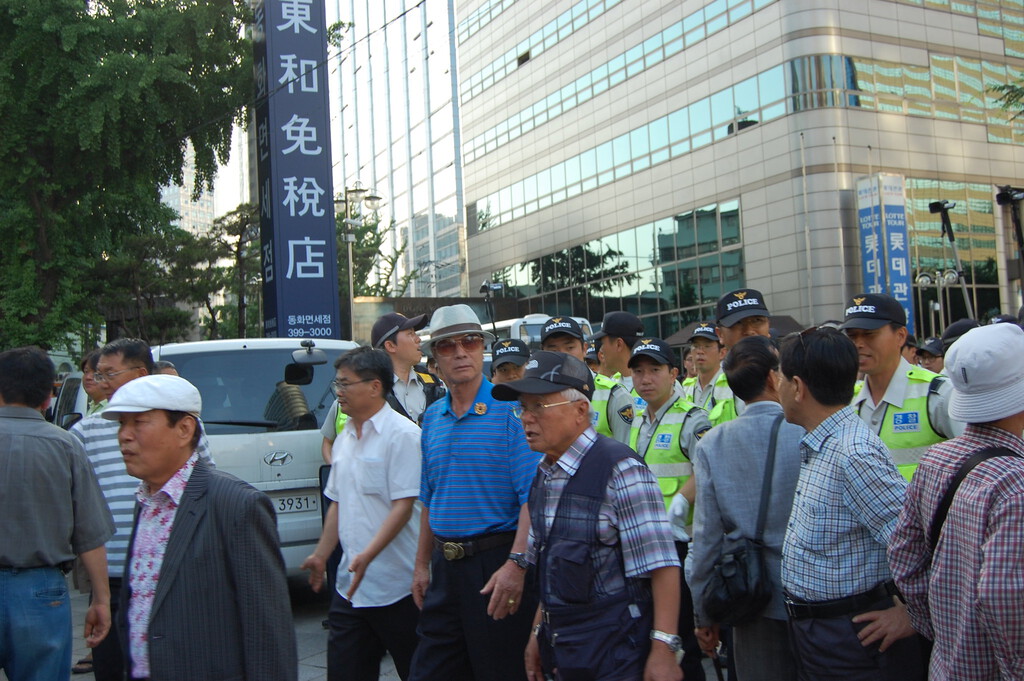
The country's total fertility rate has been among the world's lowest for years, hovering around 0.7 children per woman. Meanwhile, average life expectancy has climbed above 83 years. The combination has created a demographic squeeze that is reshaping society.
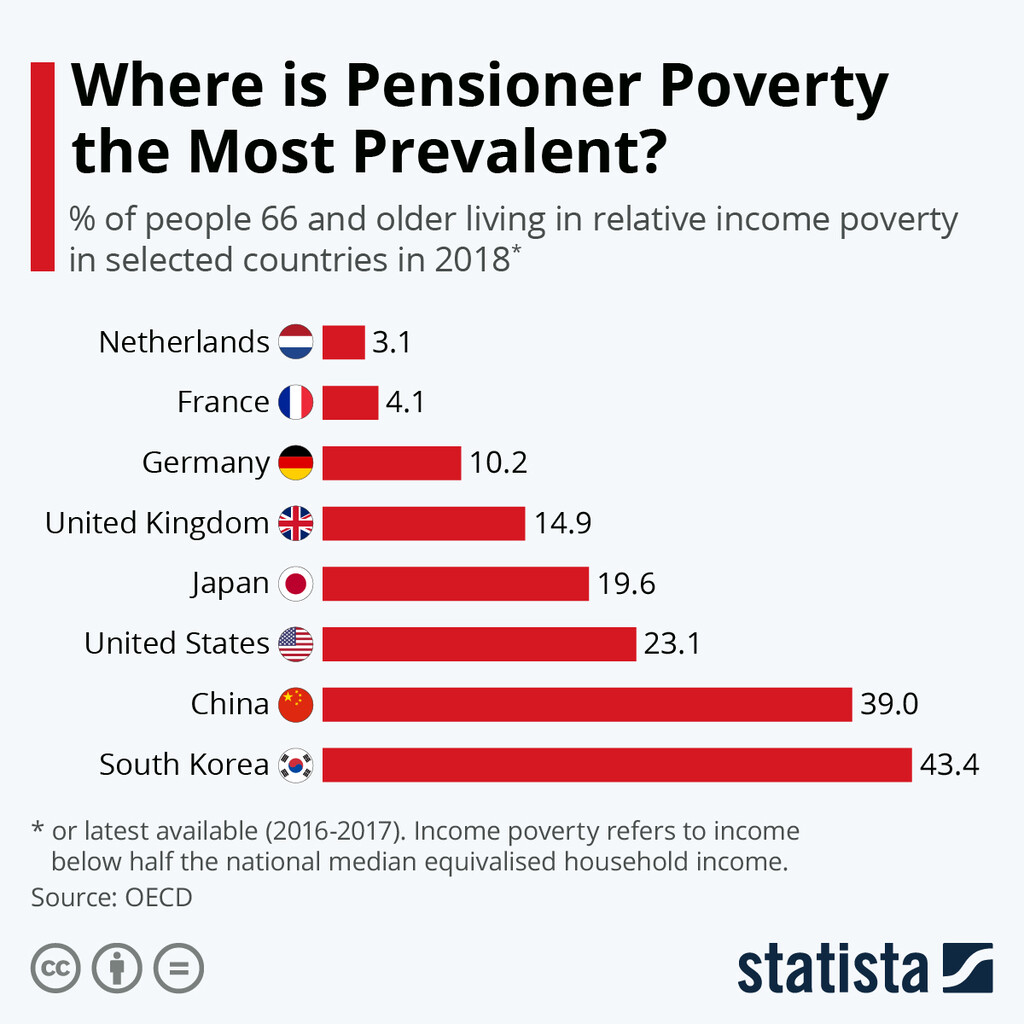
Why the Definition of 'Elderly' Is Under Scrutiny
In South Korea, as in many countries, the age of 65 has long been the official marker of old age. It is the age at which many people become eligible for senior benefits, pensions, and discounts. But as more people live healthier, longer lives, critics argue that this one-size-fits-all label is outdated.
The Korea Times highlighted the debate in a 2024 feature asking, "How old is 'elderly'?" The article questioned whether a 65-year-old today—often still active and working—should be classified alongside a frail 85-year-old. The conversation is gaining traction as policymakers consider raising the official age threshold.
The Implications of Redefining Old Age
Changing the definition of "elderly" is not just a bureaucratic exercise. It could affect when people receive pensions, access senior housing, and qualify for healthcare subsidies. It also influences how society views older workers and their contributions.
Some experts propose a dynamic approach: instead of a fixed age, eligibility for senior services could be tied to functional ability or life expectancy. Others warn that raising the age could delay needed support for those who are genuinely vulnerable.
- Pension eligibility: Raising the age could extend working lives but may disadvantage those in physically demanding jobs.
- Healthcare costs: A higher threshold might shift costs to individuals and private insurers.
- Employment: More older adults could remain in the workforce, easing labor shortages.
- Social perception: Redefining old age could reduce ageism and promote active aging.
What Other Countries Are Doing
South Korea is not alone in grappling with this question. Japan, Italy, and Germany—all with aging populations—have debated similar changes. Some countries have already adjusted their retirement ages or introduced flexible pension systems.
| Country | Official Elderly Age | Life Expectancy | % Population 65+ |
|---|---|---|---|
| South Korea | 65 | 83.5 | 21% |
| Japan | 65 | 84.8 | 29% |
| Germany | 65 | 81.2 | 22% |
| Italy | 65 | 83.5 | 24% |
These comparisons show that South Korea's situation is part of a broader global trend. However, its speed of aging is exceptional, giving it less time to adapt. The background to this story is set out in Hypoallergenic Definition: What the Label Really Means — Explained. A related thread runs through Definition SMB: What This Texting Abbreviation Really Means (Guide). Earlier coverage in New Heart Attack Definition Improves Women's Care shows how the argument developed.
The Road Ahead: Policy and Social Change
As South Korea confronts its demographic future, the debate over "elderly" is likely to intensify. The government has already announced plans to create a ministry dedicated to population policy. But experts say that changing the definition alone will not solve the underlying challenges of low birth rates and labor shortages. A closer look at the same subject appears in Trifles Definition: What the Word Really Means in Chat — Explained. Anyone following the wider picture can start with Amadeus Definition: What the Name Really Means in Chat — Explained. The same theme surfaces in Definition Luv: What This Casual Spelling of Love Really Means, which takes a different angle.
What is clear is that the conversation is shifting from a simple number to a more nuanced understanding of aging. The answer to "What is an old person?" may soon be: it depends. Context on how this played out before sits in England Drought Crisis: Half Officially in Exceptionally Serious. A companion piece, South Korea Demands Apology After North Korea Mine Blast, approaches the same subject from another angle.
FAQ
What does 'super-aged society' mean?
A super-aged society is one where more than 20% of the population is 65 or older. South Korea officially became super-aged in December 2024.
Why is South Korea debating the definition of 'elderly'?
Because people are living longer and healthier lives, many argue that the traditional age of 65 no longer accurately reflects old age. The debate is about aligning social policies with reality.
What age is considered elderly in South Korea?
Currently, 65 is the official age for most senior benefits and services. However, this threshold is under review as part of the broader discussion.
How might redefining 'elderly' affect South Koreans?
It could change eligibility for pensions, healthcare, and other senior services. It might also encourage longer working lives and reduce age discrimination.
Browse the Shop
 Acacia frida deluxe solid wood bed frame |
Bedroom bench |
Bed chest drawers |
Lingerie dresser |
Frame base |
Mirror with jewelry storage |
30 Bathroom Vanity |
Memory foam queen mattress |
Mattresses for back pain |
Nightstand set of 2 |
Grand Goldman Shop |
Civil Lawyer
Deutschland Trikot WM 2026







