

The recovery of the Iberian wolf (Canis lupus) in Spain has become a political flashpoint, with many regional governments arguing that the species is doing so well that hunting should be allowed. This stance, however, has alarmed conservationists who warn that loosening protections could reverse decades of recovery efforts.
At the heart of the dispute is a recent report on the wolf's status between 2019 and 2024, which concluded that the species' conservation status has improved. While this might sound like a success story, it has triggered a fierce debate over whether wolves should remain strictly protected or be managed through controlled hunting.
Find Original Home Decor sparking conversation at Grand Goldman Shop.

What Happened: The Six-Year Wolf Report
Last Monday, Spain's Ministry for Ecological Transition (Miteco) and representatives from most autonomous communities met to discuss the six-year report on the wolf's situation. The report, which evaluates the evolution of wolf packs from 2019 to 2024, serves as a key input for decisions on hunting quotas and protection levels.
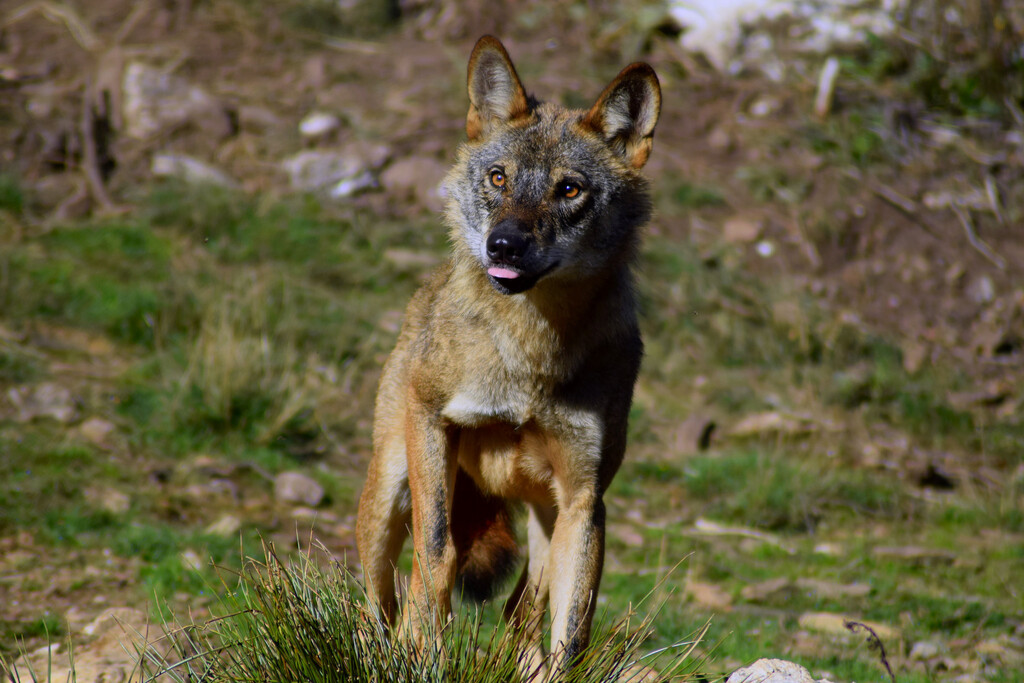
Most communities expressed support for allowing wolf hunting, arguing that the population has recovered sufficiently to permit sustainable management. This position contrasts with that of conservation groups and some national authorities who advocate for maintaining strict protection.

Why It Matters
The wolf's legal status in Spain has been contested for years. Since 2022, European and Spanish institutions have been embroiled in a complex debate over whether the wolf should be strictly protected or if its hunting should be permitted. The outcome of this tug-of-war has not been favorable for the species, as its legal shield has been gradually eroded.
The latest report adds another layer to this controversy. If hunting is allowed, it could set a precedent for other European countries grappling with similar issues. Moreover, the decision will directly affect rural communities, farmers, and ecosystems.
The Political Tug-of-War
The wolf debate is not just about ecology; it's deeply political. Regional governments, often influenced by agricultural interests, push for hunting as a way to control wolf populations and protect livestock. On the other hand, environmental groups and some national politicians argue that wolves are essential for biodiversity and should be safeguarded.
This divide was evident in the recent meeting, where communities and the Miteco showcased their differing opinions. The report's findings, while suggesting recovery, are being interpreted differently by each side. Conservationists fear that the report's conclusions will be used to justify hunting, even if the population is not fully recovered in all areas.
Key Takeaways from the Debate
- Improved status: The six-year report indicates that wolf populations have grown, but not uniformly across Spain.
- Political divide: Most regional governments support hunting, while conservationists and some national authorities oppose it.
- Legal erosion: Wolf protection has been weakened over time, and the new report could further undermine it.
- Rural impact: Farmers argue that wolves threaten livestock, but ecologists stress the wolf's role in balancing ecosystems.
- European precedent: Spain's decision could influence wolf management policies across the EU.
Comparing Wolf Management Approaches
Different regions and countries have adopted varying strategies for managing wolf populations. The table below summarizes key approaches and their outcomes.
| Approach | Description | Example | Outcome |
|---|---|---|---|
| Strict protection | Hunting banned; wolves protected under national law | Spain (2021–present) | Population recovery but ongoing conflict |
| Controlled hunting | Hunting allowed with quotas | Sweden, Finland | Stable populations but controversy |
| Regional management | Decisions made by local governments | Spain (proposed) | Potential for inconsistent policies |
| No hunting | Complete ban with no exceptions | Italy (some regions) | Population growth but illegal killings |
Who Is Affected?
The outcome of this debate will have far-reaching consequences. Farmers, especially those in rural areas, are directly impacted by wolf predation on livestock. They argue that without hunting, wolf numbers will grow unchecked, leading to economic losses.
Conservationists and scientists, however, emphasize the ecological benefits of wolves, such as controlling herbivore populations and maintaining healthy ecosystems. They also point out that non-lethal methods, like guard dogs and fences, can reduce conflicts.
Policymakers face a delicate balance between these interests. The decision will also affect Spain's compliance with EU directives, as the wolf is protected under the Habitats Directive in many areas. The longer history behind the story is traced in Spain's Wolf Recovery Sparks Controversy Over Hunting Rights.
What to Watch Next
The next steps will likely involve further negotiations between the Miteco and regional governments. The report's findings will be scrutinized by both sides, and any decision to allow hunting will probably face legal challenges. The background to this story is set out in Hunt for Gollum All-White Cast Sparks Debate on Tolkien. A related thread runs through Trending: latest articles. Earlier coverage in Albacete Pays Up to €500,000 to Hunt Rabbits: What Happens Next shows how the argument developed.
Additionally, the European Commission is reviewing the wolf's protection status across the EU, which could influence Spain's stance. Public opinion also plays a role, as urban populations tend to favor conservation, while rural communities lean towards management. A closer look at the same subject appears in Iberian Lynx Spotted in Basque Country After a Century. Anyone following the wider picture can start with Gargoyle Uproar in Santiago: Why Metal Pipes Spark Heritage Revolt. The same theme surfaces in COP17 Biodiversity Summit Fails Targets, Reform Calls Grow, which takes a different angle.
As the debate unfolds, it's clear that the wolf's future in Spain hinges on a complex interplay of science, politics, and local interests. The species' recovery, while commendable, has inadvertently sparked a controversy that could determine its fate. Context on how this played out before sits in Gray Wolf Sighted in Mendocino National Forest: Historic Return. A companion piece, Denmark Wolf Encounter Safety: Stand Still and Stare, approaches the same subject from another angle.
FAQ
Why are Spanish communities pushing to allow wolf hunting?
Many regional governments argue that wolf populations have recovered sufficiently to permit controlled hunting, which they see as a way to manage conflicts with livestock and rural communities. They believe the species is no longer at risk and that hunting can be sustainable.
What does the six-year report say about wolf populations?
The report evaluates wolf pack evolution from 2019 to 2024 and concludes that the species' conservation status has improved. However, it does not specify uniform recovery across all regions, leaving room for interpretation.
How could allowing hunting affect wolf conservation?
Conservationists warn that hunting could reverse recovery gains and fragment populations. They argue that legal protections should remain until wolves are fully recovered across their historical range, and that non-lethal measures should be prioritized.
What is the European context for wolf protection?
The wolf is protected under the EU Habitats Directive, but some countries have pushed for looser rules. Spain's decision could influence EU-wide policy, especially as the European Commission reviews the wolf's status.
Browse the Shop
 Acacia frida deluxe solid wood bed frame |
Bedroom bench |
Bed chest drawers |
Lingerie dresser |
Frame base |
Mirror with jewelry storage |
30 Bathroom Vanity |
Memory foam queen mattress |
Mattresses for back pain |
Nightstand set of 2 |
Grand Goldman Shop |
Civil Lawyer
Deutschland Trikot WM 2026







