

Sylvester Stallone, the actor who defined the American action hero for generations, has declared that "there is no glory in war, none." The statement, made in a wide-ranging interview with The New York Times, arrives as Washington renews efforts to bring Moscow and Kyiv to the negotiating table after four and a half years of fighting in Ukraine.
For decades, Stallone was the face of Hollywood's most muscular military fantasies. As John Rambo, he embodied a vision of American power that could solve any conflict through sheer force. Now, at 80, he is revisiting that legacy with a candor that is difficult to separate from the images coming out of Ukraine today.
Find Original, High-end Home Decor that spark conversation at Grand Goldman Shop.
From Rambo to Reflection: Stallone's Journey
Stallone's shift is not merely a passing comment. It represents a full-circle reckoning with the character that made him a global icon. In 1985, when Rambo: First Blood Part II became a cultural phenomenon, Stallone was an outspoken defender of a very different worldview.
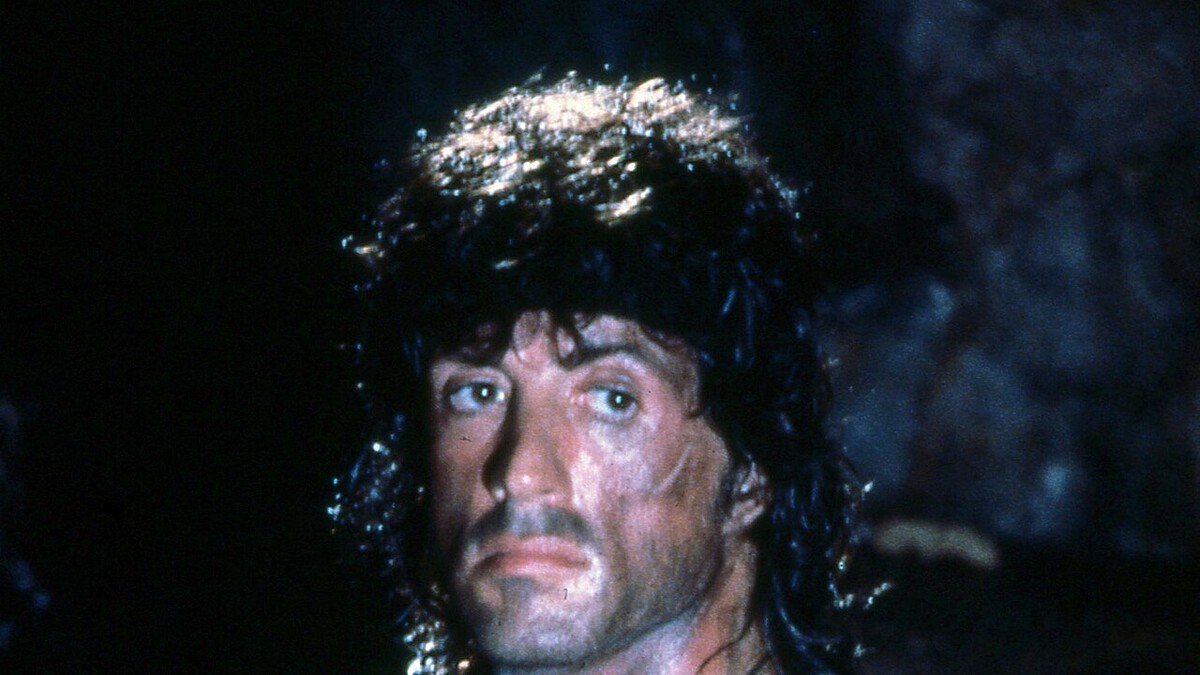
Back then, he argued that if the United States possessed great power and threatened to use it, there came a moment when it had to follow through—otherwise no one would believe it was serious. That philosophy aligned perfectly with the Reagan-era bravado that Rambo came to symbolize.
Asked in the new interview whether Rambo represented part of his own thinking at the time, Stallone's answer was unequivocal: yes. "I was truly gung-ho back then," he admits. Four decades later, he attributes that mindset largely to his own naivety.
Why Stallone's Words Carry Weight
Stallone's statement lands differently than a standard anti-war declaration. He is not a politician or a pundit; he is the man who, for millions of viewers, made war look heroic. When that same man says there is no glory in it, the message resonates across cultural and political divides.
The timing amplifies its impact. As the war in Ukraine grinds on and diplomatic efforts intensify, Stallone's reflection offers a rare moment of introspection from the heart of American pop culture. It also raises questions about how Hollywood's portrayal of conflict shapes public perceptions.
His change of heart mirrors a broader cultural reassessment of the gung-ho heroism that dominated the 1980s. As audiences grow more skeptical of military adventurism, even the icons of that era are reconsidering their roles.
The Evolution of a Hollywood Icon
Stallone's career has always been intertwined with the characters he plays. Rocky Balboa, the underdog boxer, and John Rambo, the traumatized veteran, both reflect aspects of the American psyche. But Rambo, in particular, became a lightning rod for debates about patriotism, violence, and the cost of war.
Over the years, Stallone has occasionally hinted at a more nuanced view. In later Rambo films, the character became increasingly haunted by his actions, suggesting a recognition of war's psychological toll. Yet the new interview marks the most direct and personal repudiation of the glorification of combat.
At 80, Stallone is not just looking back—he is offering a cautionary tale. His journey from gung-ho action hero to reflective critic of war is a reminder that even the most entrenched narratives can evolve.
What This Means for the Ukraine Conversation
Stallone's comments come at a delicate moment in international diplomacy. With Washington pushing for negotiations, his words could serve as a cultural counterweight to the glorification of military solutions. They also highlight the role celebrities can play in shaping public discourse about war and peace.
While Stallone's statement is unlikely to change policy, it adds a powerful voice to the chorus calling for reflection. In a world saturated with images of conflict, the admission from a former symbol of martial prowess that war offers no glory is a striking shift. Anyone following the wider picture can start with Sylvester Stallone Says No Glory in War After Rambo Years.
As the war in Ukraine continues to dominate headlines, Stallone's reflection invites audiences to question the stories they have been told about heroism and violence. It is a conversation that extends far beyond Hollywood. The background to this story is set out in Trending: latest articles. A related thread runs through iPhone Duo Review: The Biggest iPhone Change Isn't the Best iPhone.
Key Takeaways
- Stallone now says "there is no glory in war," a stark contrast to his 1980s persona.
- He admits he was "truly gung-ho" during the Rambo era, attributing it to naivety.
- The statement comes as Washington pushes for Ukraine peace talks.
- His shift reflects a broader cultural reassessment of 1980s action heroism.
- Celebrity voices like Stallone's can influence public discourse on war.
Stallone's Evolution at a Glance
| Era | Stallone's Stance | Cultural Context |
|---|---|---|
| 1980s | Gung-ho, pro-military intervention | Reagan-era patriotism, Cold War tensions |
| 2000s | More nuanced, haunted Rambo | Post-9/11 skepticism, war fatigue |
| 2020s | "No glory in war" | Ukraine conflict, renewed peace efforts |
Stallone's journey from action hero to anti-war voice is a testament to the power of personal evolution. As he reflects on his past, he offers a lesson in humility and the importance of questioning the narratives we embrace. Earlier coverage in Barcelona Cuts Power to Plaza Catalunya Protest Camp Over Safety shows how the argument developed. A closer look at the same subject appears in Action Solar PTZ Camera: Home Security Without Outdoor Outlets.
FAQ
What did Sylvester Stallone say about war?Stallone said, "There is no glory in war, none." He made the statement in an interview with The New York Times, reflecting on his past role as Rambo and the ongoing conflict in Ukraine.
Stallone said, "There is no glory in war, none." He made the statement in an interview with The New York Times, reflecting on his past role as Rambo and the ongoing conflict in Ukraine.
Why did Stallone change his view on war?Stallone attributes his change of heart to growing older and gaining perspective. He now views his earlier gung-ho mentality as naive, especially in light of modern conflicts like the war in Ukraine.
Stallone attributes his change of heart to growing older and gaining perspective. He now views his earlier gung-ho mentality as naive, especially in light of modern conflicts like the war in Ukraine.
How did Stallone view war in the 1980s?In the 1980s, Stallone was openly supportive of a strong military stance. He believed that if the U.S. threatened to use its power, it should follow through to maintain credibility. He now describes himself as "truly gung-ho" during that period.
In the 1980s, Stallone was openly supportive of a strong military stance. He believed that if the U.S. threatened to use its power, it should follow through to maintain credibility. He now describes himself as "truly gung-ho" during that period.
What impact do Stallone's comments have?Stallone's comments carry weight because he was a symbol of American military might in film. His anti-war statement adds a prominent voice to the conversation about the costs of conflict, especially as diplomatic efforts regarding Ukraine continue.
Stallone's comments carry weight because he was a symbol of American military might in film. His anti-war statement adds a prominent voice to the conversation about the costs of conflict, especially as diplomatic efforts regarding Ukraine continue.
Browse the Shop
 Acacia frida deluxe solid wood bed frame |
Bedroom bench |
Bed chest drawers |
Lingerie dresser |
Frame base |
Mirror with jewelry storage |
30 Bathroom Vanity |
Memory foam queen mattress |
Mattresses for back pain |
Nightstand set of 2 |
Grand Goldman Shop |
Civil Lawyer
Deutschland Trikot WM 2026










