

Urban trees are facing unprecedented pressure as cities grapple with storms, fires, and development. In La Paz, Málaga, residents recently protested the removal of a beloved ficus tree that split during a storm. The message left at its stump, "Thanks for your shade," highlights the emotional and practical value these trees provide. Yet across many cities, trees are being cut down at an alarming rate, raising the question: why are we removing the very assets that make our cities livable?
The Rising Threats to Urban Trees
From Filomena to DANA and explosive cyclogenesis, major storms have left a trail of fallen trunks and branches in their wake. In Madrid alone, Filomena downed or forced the felling of 94,115 trees—5.5% of the city's tree population. These events understandably make people view trees as threats first and shade providers second, especially when summer heat becomes unbearable.
Find Original Home Decor sparking conversation at Grand Goldman Shop.

But trees can also protect against extreme weather. Their roots stabilize soil, their canopies reduce heat, and their presence improves air quality. The challenge is balancing safety with the long-term benefits trees offer.
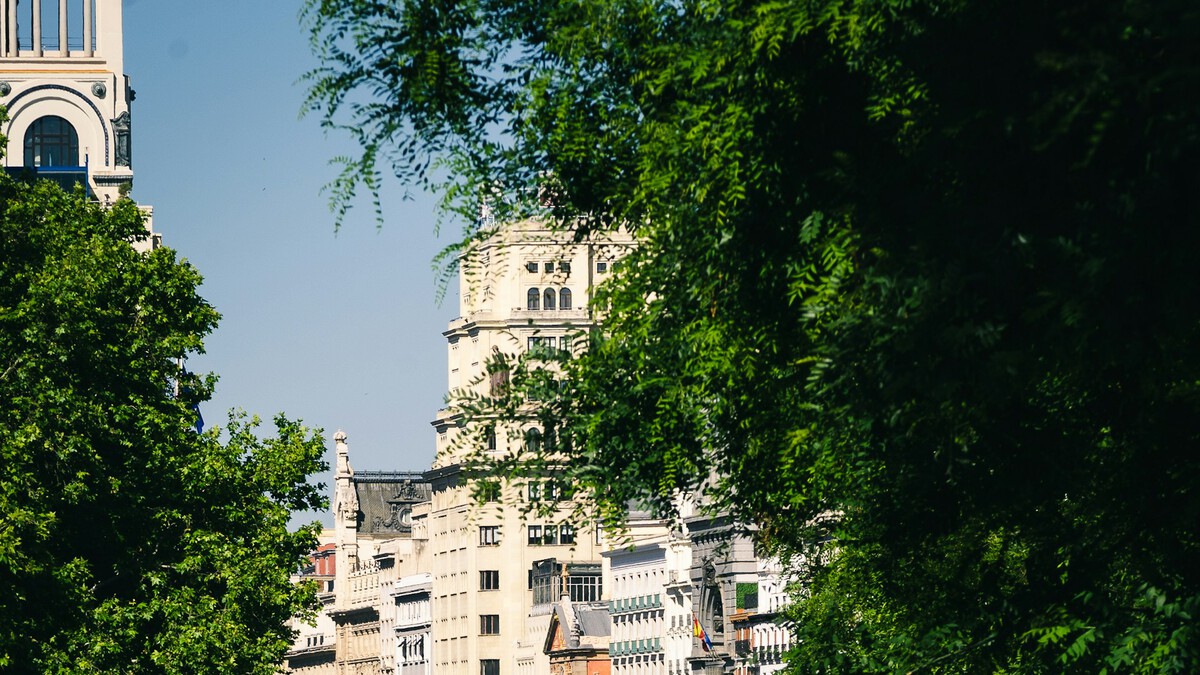
Fear of Fire and the Timber Dilemma
2026 has been a year of devastating fires, and the primitive association "trees = fuel" has led many cities to preemptively fell trees. Measures like clearing borders, using water cannons, or creating forest rings are sometimes replaced by outright removal. In many urban areas, when in doubt, trees are cut down.
This approach is shortsighted. Proper forest management and species selection can mitigate fire risk without sacrificing the green canopy. Cities need policies that prioritize smart maintenance over wholesale removal.
The Dry Urban Model: Concrete Over Canopy
A third factor is the prevailing urban model that favors hard plazas, continuous pavement, and construction projects where trees are seen as obstacles. Maintenance concerns often tip the scales toward removal. This "dry" urbanism ignores the critical role trees play in cooling streets, absorbing rainwater, and improving mental health.
Data from Madrid's city council, compiled by Somos Madrid, reveals that many tree removals are linked to development projects rather than safety. The push for denser cities often comes at the expense of green infrastructure. Context on how this played out before sits in Urban Trees Under Threat: Why Cities Are Cutting Them.
Key Takeaways for Urban Tree Management
- Storms and fires are valid concerns, but knee-jerk tree removal is not the solution.
- Urban trees provide essential benefits: shade, air purification, stormwater management, and mental well-being.
- Proactive maintenance and species selection can reduce risks while preserving canopy.
- City planning must integrate trees as infrastructure, not obstacles.
- Community engagement is crucial; residents value trees and can advocate for their protection.
Comparing Tree Removal Approaches
| Approach | Pros | Cons | Example |
|---|---|---|---|
| Preemptive removal | Reduces immediate risk from falling branches | Loss of benefits, high cost, community backlash | Málaga ficus removal |
| Proactive maintenance | Preserves trees, reduces risk over time | Requires ongoing investment | Regular pruning programs |
| Species selection | Matches trees to site conditions, lowers risk | Long-term planning needed | Drought-resistant species |
| Community engagement | Builds trust, leverages local knowledge | Time-consuming | Resident protests in La Paz |
The data shows that cities with robust maintenance and community involvement tend to have healthier, safer tree populations. The choice is not between trees and safety; it's between smart management and neglect. The background to this story is set out in Trending: latest articles. A related thread runs through Mobile Home on Rustic Land Sparks 15-Month Prison Request in Spain.
What Cities Can Do to Protect Urban Trees
First, invest in regular tree inspections and pruning. Second, adopt species selection guidelines that consider climate resilience. Third, integrate trees into urban design from the outset. Fourth, engage residents through education and participatory planning. Earlier coverage in Salamanca Pool in Courtyard: Neighbor Still Sought by City shows how the argument developed. A closer look at the same subject appears in Madrigueras Floods: Why a Town With No River Drowned.
Finally, track and publish data on tree removal and planting. Transparency builds trust and holds decision-makers accountable. Anyone following the wider picture can start with Urban Tree Watering Map: How Berlin's Open-Source Tool Works. The same theme surfaces in Environmental Catastrophe Preparation: Why Personal Action Falls Short, which takes a different angle.
FAQ
Why are cities cutting down so many trees?
Cities often cut trees due to safety concerns after storms, fear of fire, and development pressures. However, many removals are preventable with proper maintenance and planning.
Do trees really pose a fire risk in cities?
While trees can burn, urban fires are rarely caused by trees alone. Proper species selection and maintenance can minimize risk without removing trees.
How can residents help protect urban trees?
Residents can attend city meetings, join tree advocacy groups, and report concerns about tree health. Community pressure has successfully saved trees in many cities.
What are the benefits of urban trees?
Urban trees provide shade, clean air, stormwater absorption, and mental health benefits. They also increase property values and reduce energy costs.
The fate of urban trees depends on informed decisions and community action. As cities face climate challenges, trees are allies, not enemies. Protecting them requires a shift from fear-based removal to science-based management.
Browse the Shop
 Acacia frida deluxe solid wood bed frame |
Bedroom bench |
Bed chest drawers |
Lingerie dresser |
Frame base |
Mirror with jewelry storage |
30 Bathroom Vanity |
Memory foam queen mattress |
Mattresses for back pain |
Nightstand set of 2 |
Grand Goldman Shop |
Civil Lawyer
Deutschland Trikot WM 2026







