

US missile stockpiles have been significantly depleted after weeks of conflict in the Middle East, raising concerns about the country's ability to sustain another high-intensity war, particularly against Iran. According to a recent analysis by CSIS cited by CNN, the United States has consumed approximately 45% of its Precision Strike Missiles, around 50% of its THAAD and Patriot interceptors, about 30% of its Tomahawks, and more than 20% of its JASSM missiles. These figures, while not immediately crippling, signal a dangerous erosion of strategic depth.
The Mathematics of Missile Depletion
The conflict has shifted from a pure display of military capability to a stark problem of inventories. Each interceptor fired and each cruise missile launched represents a finite resource that cannot be quickly replaced. Precision-guided munitions are the backbone of modern warfare, and their scarcity directly limits the options available to military planners.
Find Original Home Decor sparking conversation at Grand Goldman Shop.

While the US maintains the ability to continue operations in the short term, the reduced stockpiles constrain its capacity to engage in a simultaneous high-intensity conflict elsewhere. This is particularly relevant in the context of Iran, which has invested heavily in its own missile forces.
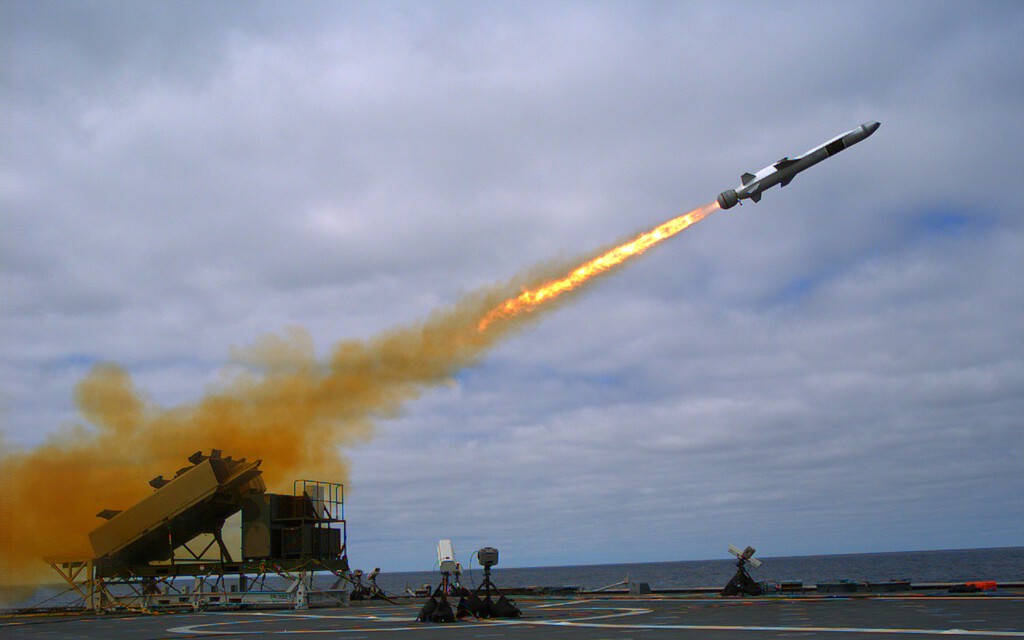
Iran's Asymmetric Advantage
Iran has long pursued a strategy of missile proliferation as a counter to conventional military superiority. With a vast arsenal of ballistic and cruise missiles, Tehran can threaten US interests and allies in the region. The depletion of US interceptors means that defending against a large-scale missile barrage becomes more challenging and costly.
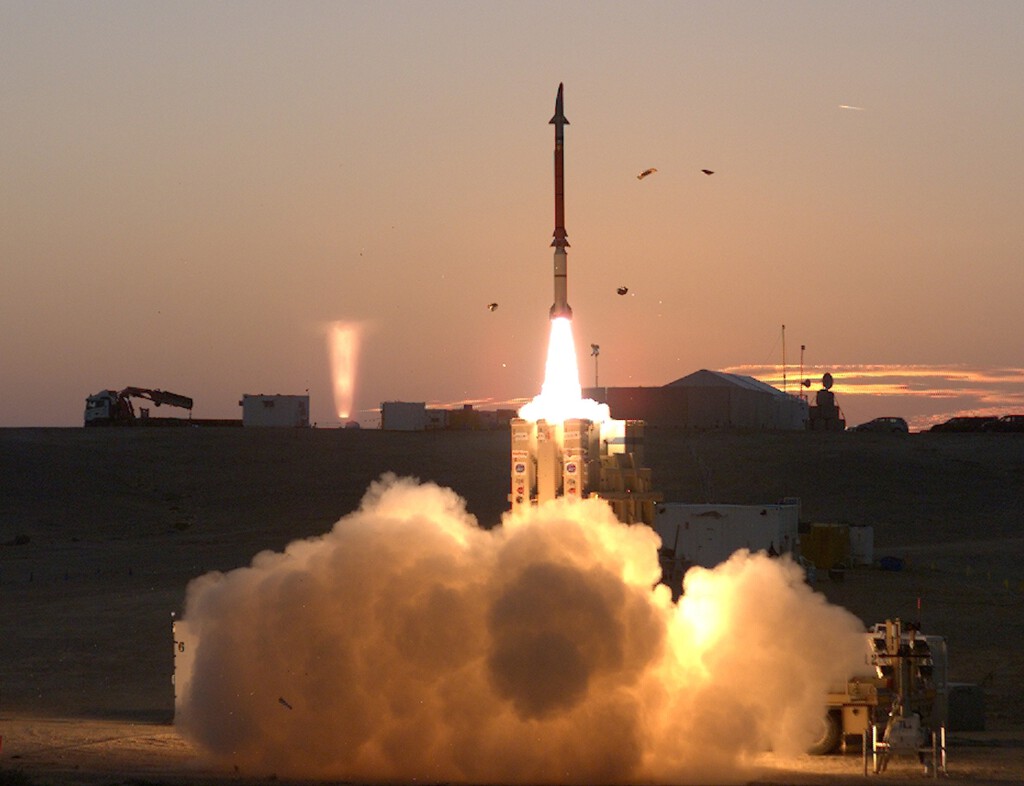
During the Gulf War, even a few Scud missiles launched irregularly forced the coalition to divert enormous resources to defense. Today, Iran's arsenal is far larger and more sophisticated, and the US inventory is stretched thin.
The Production Bottleneck
Replenishing these stockpiles is not a simple matter. Annual production of Tomahawk missiles is only about 100 units, and JASSM-ER production is fewer than 500 per year. Interceptors like the SM-3 and SM-6 have similarly limited production rates. This means that any sustained conflict would quickly outpace the ability to resupply.
The defense industrial base, while advanced, cannot surge production overnight. Long lead times for components and specialized manufacturing processes create inherent delays. Rebuilding stockpiles to pre-conflict levels could take years.
Strategic Implications for US Foreign Policy
The depletion of missile stockpiles affects US deterrence posture. Adversaries may perceive a window of vulnerability, potentially emboldening aggressive actions. Allies in the region, such as Israel and Saudi Arabia, rely on US security guarantees, which are now under strain.
Furthermore, the US must balance its commitments in the Middle East with other global priorities, including the Indo-Pacific and Europe. A prolonged engagement in one theater reduces the ability to respond to crises elsewhere. The background to this story is set out in Iran War Cost US $38 Billion and Depleted Missile Stockpile, Report. A related thread runs through US Strikes Iran Military Targets After Trump's Warning. Earlier coverage in Pakistan-Saudi Defense Pact Risks Middle East Conflict shows how the argument developed.
What to Watch Next
Several factors will determine the trajectory of this situation. The pace of production and the allocation of resources to replenish stockpiles will be critical. Congressional funding for defense procurement and the efficiency of the defense industry will also play a role. A closer look at the same subject appears in Middle East Crisis Escalates: UN Warns of Unimaginable Conflict. Anyone following the wider picture can start with Trump Warns of Military Action if Iran Diplomacy Fails. The same theme surfaces in Trump Warns of Strong Military Action if Iran Diplomacy Fails, which takes a different angle.
On the Iranian side, any further advances in missile technology or increases in arsenal size could exacerbate the imbalance. Diplomatic efforts to reduce tensions may provide temporary relief, but the underlying strategic challenge remains. Context on how this played out before sits in US-Iran Hostilities Resume: Military Leadership Concerns Rise. A companion piece, US Military Power Limits: Iran Conflict Lessons, approaches the same subject from another angle.
- US missile stockpiles are significantly depleted after Middle East conflict, with some categories down by 50%.
- Iran's large missile arsenal poses a asymmetric threat that is harder to counter with reduced interceptor inventories.
- Production rates for key munitions are low, making rapid replenishment difficult.
- Strategic implications include reduced deterrence and strained commitments to allies.
- Watch for defense procurement decisions and potential shifts in Iran's missile capabilities.
| Munition Type | Estimated Consumption | Annual Production Rate |
|---|---|---|
| Precision Strike Missile | ~45% | Not specified |
| THAAD Interceptors | ~50% | Not specified |
| Patriot Interceptors | ~50% | Not specified |
| Tomahawk | ~30% | ~100 units |
| JASSM | >20% | <500 units (JASSM-ER) |
FAQ
What percentage of US missile stockpiles has been used?
According to CSIS analysis, the US has used about 45% of its Precision Strike Missiles, 50% of THAAD and Patriot interceptors, 30% of Tomahawks, and over 20% of JASSM missiles.
Why is Iran a particular concern?
Iran possesses a large and diverse missile arsenal, and with US interceptors depleted, defending against a potential Iranian missile barrage becomes more difficult and resource-intensive.
How quickly can the US replenish its stockpiles?
Replenishment is slow due to limited annual production rates—for example, only about 100 Tomahawks and fewer than 500 JASSM-ERs are produced each year. It could take years to restore stockpiles to previous levels.
What are the strategic consequences?
The depletion reduces US deterrence and its ability to respond to simultaneous crises, potentially emboldening adversaries and straining alliances.
Browse the Shop
 Acacia frida deluxe solid wood bed frame |
Bedroom bench |
Bed chest drawers |
Lingerie dresser |
Frame base |
Mirror with jewelry storage |
30 Bathroom Vanity |
Memory foam queen mattress |
Mattresses for back pain |
Nightstand set of 2 |
Grand Goldman Shop |
Civil Lawyer
Deutschland Trikot WM 2026







