

Kingston Technology, the RAM memory and storage giant, was born from an unlikely friendship between two immigrant engineers, John Tu and David Sun. Their story is one of the most remarkable in tech business history: they sold their company for $1.5 billion, bought it back for $450 million, and turned it into a $150 billion empire.
In 1987, Tu and Sun founded Kingston Technology, a company that would become synonymous with memory products. But their journey began years earlier, when they met on a basketball court in Los Angeles.
Find Original Home Decor sparking conversation at Grand Goldman Shop.

The Immigrant Engineers Who Started Kingston Technology
John Tu arrived in Los Angeles from China in the 1970s. David Sun followed a similar path from Taiwan. Both were engineers seeking their big break in California.
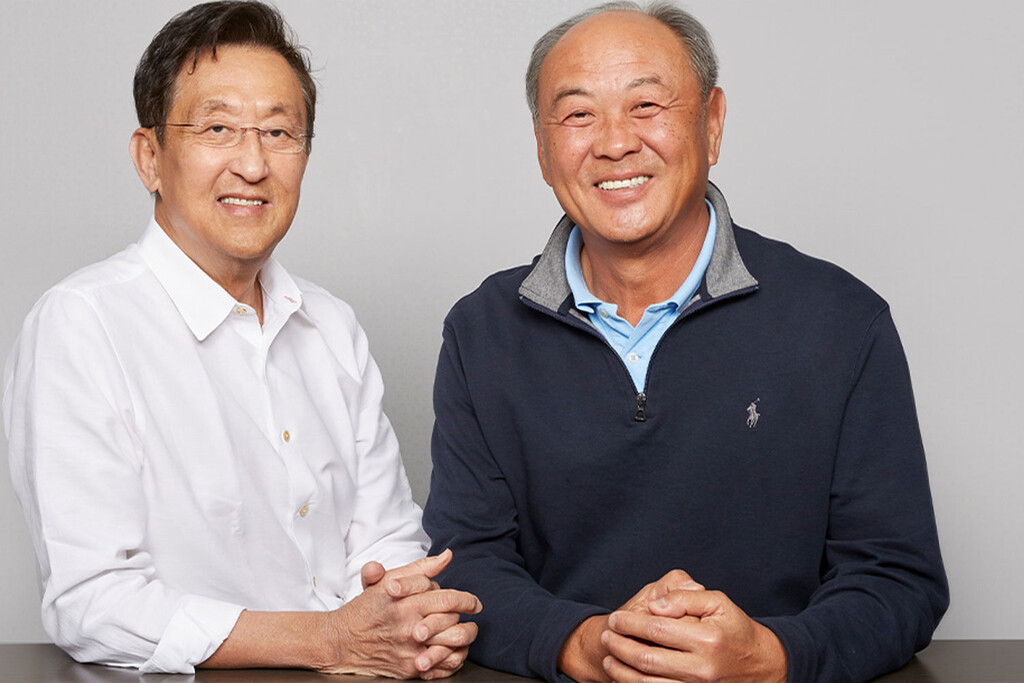
By chance, they ended up playing basketball on the same court in LA in the 1980s. That friendship sparked everything else.

Their first venture was Camintonn, a company that made memory-related components for personal computers. At the time, PCs were transitioning from labs and hobbyist clubs to offices and homes, driven by young visionaries like Bill Gates and Steve Jobs.
After a few years of success and growth, Tu and Sun sold Camintonn. But they didn't stop there.
The Birth of Kingston Technology in 1987
In 1987, Tu and Sun founded Kingston Technology. The company focused on memory modules for computers, a market that was exploding as PCs became more common.
Kingston's timing was perfect. The demand for RAM was skyrocketing, and the two friends used their engineering expertise and business acumen to carve out a niche.
They started small but quickly gained a reputation for quality and reliability. By the late 1980s, Kingston was already a known name in the memory industry.
The $1.5 Billion Sale and the $450 Million Buyback
In 1996, Tu and Sun sold Kingston Technology to Softbank for $1.5 billion. It was a massive payday for the two friends, but the story didn't end there.
Just a few years later, the tech bubble burst, and Softbank needed cash. Tu and Sun saw an opportunity and bought back the company for $450 million.
This buyback was unprecedented: they had sold high and bought low, all while continuing to run the company. It was a masterstroke that few entrepreneurs could replicate.
How Kingston Technology Became a $150 Billion Empire
After the buyback, Tu and Sun doubled down on innovation and expansion. Kingston grew beyond RAM to include flash memory, SSDs, and other storage solutions.
Today, Kingston Technology is a global leader in memory products, with a valuation estimated at $150 billion. The company remains privately held, a rarity in the tech world.
Tu and Sun's approach to business—frugality, long-term thinking, and employee loyalty—has been key to their success. They famously paid out bonuses and kept jobs secure even during tough times.
Key Lessons from the Kingston Technology Story
- Friendship can be the foundation of a great business partnership. Tu and Sun's bond, formed on a basketball court, was the bedrock of their success.
- Buy low, sell high—and don't be afraid to buy back. Their $1.5B sale and $450M repurchase is a legendary example of timing the market.
- Focus on a growing market. Kingston rode the PC boom by providing essential memory components.
- Stay private for long-term control. By keeping Kingston private, Tu and Sun maintained their vision and culture.
- Invest in your people. Their employee-centric policies have fostered loyalty and innovation.
Kingston Technology vs. Other Memory Giants
Kingston is not the only player in the memory market. Here's how it compares to some competitors: The longer history behind the story is traced in Kingston Technology: How Two Friends Built a $15B RAM Empire.
| Company | Key Products | Market Position |
|---|---|---|
| Kingston Technology | RAM modules, SSDs, flash memory | Global leader in third-party memory |
| Samsung | DRAM, NAND flash, SSDs | Largest memory chipmaker |
| Micron | DRAM, NAND, SSDs | Major chip manufacturer |
| SK Hynix | DRAM, NAND | Top memory chip supplier |
While Samsung, Micron, and SK Hynix manufacture the actual memory chips, Kingston specializes in assembling and marketing memory modules for consumers and businesses. Its brand strength and distribution network set it apart. The background to this story is set out in Madias Ngake's Remarkable Journey to Weightlifting Silver Medal. A related thread runs through Met Gala 2025: John Galliano U-Turn and Anna Wintour's Fashion Legacy. Earlier coverage in Greens in Turmoil: Shoebridge Responds to Steele-John's Explosive shows how the argument developed.
What's Next for Kingston Technology?
As data storage needs grow, Kingston continues to innovate in areas like high-performance SSDs and enterprise storage. The company's future looks bright, but it faces increasing competition from chipmakers and new entrants. A closer look at the same subject appears in Business: latest articles. Anyone following the wider picture can start with Chinese RAM Makers Join the Same Game as Industry Giants. The same theme surfaces in John Smedley: How Heritage Knitwear Brand Innovates in a Tough Market, which takes a different angle.
Tu and Sun's legacy, however, is secure. Their story proves that with the right partner, timing, and strategy, you can build something extraordinary—and even get paid to keep running it. Context on how this played out before sits in Samsung Warns Memory Chip Shortage Will Worsen Through 2027. A companion piece, Tim Cook Warns AI-Driven RAM Crisis Makes iPhone Price Hikes Inevitable, approaches the same subject from another angle.
FAQ
Who founded Kingston Technology?
Kingston Technology was founded in 1987 by John Tu and David Sun, two immigrant engineers who met on a basketball court in Los Angeles.
How did Kingston Technology become so successful?
Kingston capitalized on the PC boom by providing high-quality memory modules. The founders' strategic sale to Softbank and subsequent buyback allowed them to retain control and grow the company into a global leader.
What was the $1.5 billion sale and $450 million buyback?
In 1996, Tu and Sun sold Kingston to Softbank for $1.5 billion. After the tech bubble burst, they bought it back for $450 million, a move that is considered one of the greatest buybacks in business history.
Is Kingston Technology still privately held?
Yes, Kingston Technology remains a private company, which is unusual for a firm of its size. This allows the founders to maintain their long-term vision and employee-focused culture.
Browse the Shop
 Acacia frida deluxe solid wood bed frame |
Bedroom bench |
Bed chest drawers |
Lingerie dresser |
Frame base |
Mirror with jewelry storage |
30 Bathroom Vanity |
Memory foam queen mattress |
Mattresses for back pain |
Nightstand set of 2 |
Grand Goldman Shop |
Civil Lawyer
Deutschland Trikot WM 2026







