

The EU combustion engine ban is under pressure as Germany, France and Italy push to relax the 2035 deadline that would end sales of new petrol and diesel cars. The three countries are uniting to protect their automotive industries and soften the emissions rules that have shaped Europe's electric vehicle strategy.
This is a major shift for a continent that had positioned itself as the global leader in the green transition. The question now is whether the 2035 target survives, and what it means for drivers, manufacturers and the pace of EV adoption.
Find Original, High-end Home Decor that spark conversation at Grand Goldman Shop.
What happened: Germany and France reach a deal
German Chancellor Friedrich Merz announced the agreement after the European Council meeting last Friday, calling the decision "historic." The deal would boost European vehicle production in exchange for relaxing the emissions regulations that the EU has imposed on automakers selling cars in the single market.
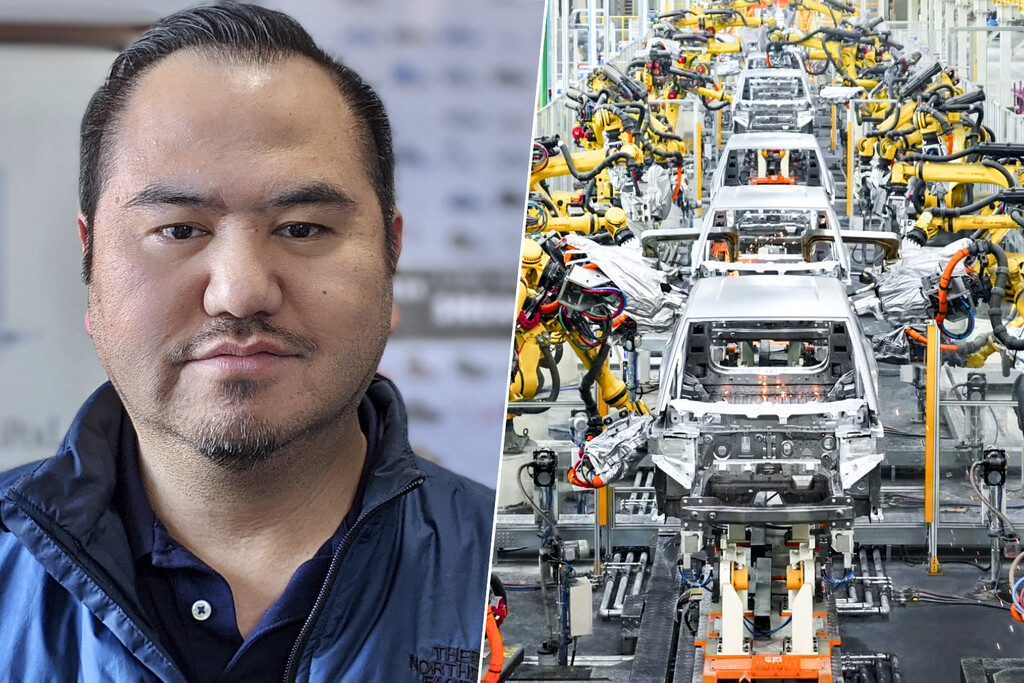
Italy has also joined the push, forming a bloc of the continent's largest car-producing nations. However, the agreement still needs to clear the Council of the European Union and the European Parliament, where the rules have been stuck. The path forward remains uncertain, but the political momentum has clearly shifted.
The deal signals that the 2035 combustion engine ban—once considered untouchable—is now open for negotiation. For the first time, major member states are openly challenging the timeline that was supposed to define Europe's automotive future.
Why it matters: the end of the 2035 ban?
The European Union confirmed its decarbonization agenda earlier this decade, following the Dieselgate scandal. The plan was to clean up the industry, and after various decisions, it settled on banning the sale of new cars with combustion engines from 2035. That target became the centerpiece of the EU's green mobility strategy.
But the reality of the transition has proven harder than expected. Automakers are struggling with high costs, charging infrastructure gaps, and consumer resistance to electric vehicles. The push to relax the ban reflects a growing recognition that the original timeline may be too aggressive.
For drivers, this could mean more time to choose between electric and combustion vehicles. For automakers, it offers breathing room to adjust production and invest in technology at a more sustainable pace. For the EU, it's a test of whether its climate ambitions can survive political and economic pressure.
Who is affected: drivers, automakers and the EV transition
The outcome will directly impact European drivers, who were facing a future where electric cars would be the only option for new vehicles. A relaxation of the ban could keep petrol and diesel cars on the market longer, potentially slowing the adoption of EVs.
Automakers are also watching closely. Companies like Volkswagen, Stellantis and Renault have invested billions in electric vehicle platforms, but they are also facing pressure to maintain profitability. A softer regulatory environment could allow them to continue producing combustion models alongside EVs.
Meanwhile, the electric vehicle transition could lose momentum. The EU's strict emissions rules were a key driver of investment in charging infrastructure and battery technology. Relaxing them might reduce the urgency for both governments and private companies to build out the necessary ecosystem.
- Drivers may have more time to decide between electric and combustion vehicles.
- Automakers could get relief from costly compliance deadlines.
- EV adoption might slow if the 2035 ban is weakened.
- Climate goals could be harder to meet without a clear end date for combustion engines.
- Charging infrastructure investment may lose momentum.
The road ahead: what to watch next
The agreement between Germany, France and Italy is a significant political statement, but it is not yet law. The proposal must navigate the complex EU legislative process, where member states and the European Parliament will have their say.
Key questions remain: Will the 2035 ban be delayed, or will it be replaced with a more flexible framework? Will other countries join the push to relax the rules? And how will the European Commission, which has championed the green agenda, respond?
One thing is clear: the EU combustion engine ban is no longer a settled issue. The coming months will determine whether Europe sticks to its original timeline or charts a new course that balances climate goals with industrial reality.
| Country | Position on 2035 Ban | Key Industry |
|---|---|---|
| Germany | Supports relaxation | Volkswagen, BMW, Mercedes-Benz |
| France | Supports relaxation | Renault, Stellantis |
| Italy | Supports relaxation | Stellantis (Fiat) |
| European Commission | Originally firm on 2035 | Regulatory body |
What this means for the European auto industry
The unified stance of Germany, France and Italy represents a major challenge to the EU's regulatory framework. These three countries account for a significant share of European car production and employ millions of workers in the automotive sector. Context on how this played out before sits in Germany, France, Italy Unite to Relax EU Combustion Engine Ban.
Their push to relax the combustion engine ban is driven by concerns over job losses and competitiveness. The transition to electric vehicles requires massive investment, and automakers argue that the current timeline is too aggressive given the economic climate. The background to this story is set out in Car: latest articles. A related thread runs through EU-China Hybrid Car Deal to Cut Chinese Imports by Half.
However, critics warn that weakening the ban could undermine Europe's leadership in the global EV market. China and the United States are investing heavily in electric vehicles, and a slower transition in Europe could cede ground to competitors. Earlier coverage in Paris Motor Show: Citroën 2CV Steals Spotlight as BYD Debuts 11-Minute Charge shows how the argument developed. A closer look at the same subject appears in Trump Slashes Clean Car Rules: Impact on Auto Emissions.
The debate is far from over, but the agreement marks a turning point. The EU combustion engine ban is now a live political issue, and its future will shape the continent's automotive landscape for decades to come. Anyone following the wider picture can start with Airbus U740 Valkyrie: Germany's Plan B for Fighter Jet Gap. The same theme surfaces in Elon Musk Accused of Online Harassment Against European Leaders, which takes a different angle.
FAQ
What is the EU combustion engine ban?
The EU combustion engine ban is a regulation that would prohibit the sale of new cars with petrol or diesel engines starting in 2035. It was part of the EU's broader decarbonization agenda aimed at reducing emissions from the transport sector.
Why are Germany, France and Italy pushing to relax the ban?
These countries are home to major automakers and millions of automotive jobs. They argue that the 2035 deadline is too aggressive and could harm the industry's competitiveness. They want to boost European vehicle production while relaxing emissions rules.
Will the 2035 ban be delayed or cancelled?
It is too early to say. The agreement between Germany, France and Italy is a political statement, but the proposal must still pass through the Council of the European Union and the European Parliament. The outcome will depend on negotiations in the coming months.
How does this affect drivers in Europe?
If the ban is relaxed or delayed, drivers may have more time to choose between electric and combustion vehicles. However, it could also slow the development of charging infrastructure and the overall transition to electric mobility.
Browse the Shop
 Acacia frida deluxe solid wood bed frame |
Bedroom bench |
Bed chest drawers |
Lingerie dresser |
Frame base |
Mirror with jewelry storage |
30 Bathroom Vanity |
Memory foam queen mattress |
Mattresses for back pain |
Nightstand set of 2 |
Grand Goldman Shop |
Civil Lawyer
Deutschland Trikot WM 2026










