

LED headlights have become standard on new cars, but their intense brightness is now raising serious safety concerns. A recent UK study confirms that these lights can cause dangerous glare, affecting drivers and compromising road safety.
Why LED Headlights Are Causing Glare
LED technology has revolutionized car lighting, offering better visibility and energy efficiency. However, their high intensity and precise beam patterns can be problematic when not properly calibrated. The UK Department for Transport's study, conducted between October 2024 and early 2025, combined objective measurements with driver surveys to assess the impact of LED glare.
Find Original Home Decor sparking conversation at Grand Goldman Shop.

The findings are clear: LED headlights are a road safety issue, altering driving habits and causing discomfort for many motorists. This isn't just a UK problem—it's a global concern as LED lights become more prevalent. Context on how this played out before sits in Ferrari Luce Auction: Electric Car Sells for $40 Million.
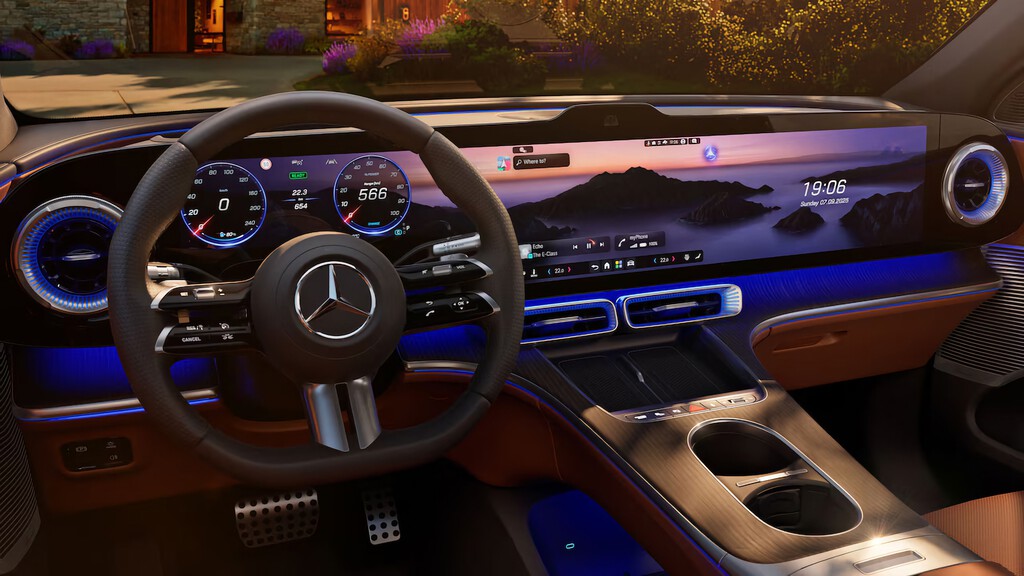
Key Findings from the UK Study
- LED headlights cause significant glare, especially on unlit roads.
- Improper calibration and taller vehicles (like SUVs) exacerbate the problem.
- Drivers report being dazzled frequently, leading to reduced confidence and altered driving behavior.
- The study highlights the need for stricter regulations and better headlight design.
Who Is Most Affected?
Drivers of older cars with halogen lights are particularly vulnerable to glare from oncoming LED headlights. The height difference between standard cars and SUVs also plays a role, as taller vehicles' lights can shine directly into the eyes of drivers in lower cars. Additionally, pedestrians and cyclists may be blinded by these intense lights, increasing risks for all road users. The background to this story is set out in Volvo EV Safety: How the New Electric Car Learns on the Road. A related thread runs through Defunding DEI Bike Lanes Threatens Road Safety, Advocates Warn.
Comparing Headlight Types: A Safety Perspective
| Headlight Type | Brightness | Glare Risk | Common Issues |
|---|---|---|---|
| Halogen | Low | Low | Limited visibility |
| HID/Xenon | Medium | Moderate | Color temperature can dazzle |
| LED | High | High | Intense glare, calibration issues |
| Laser | Very High | High | High cost, potential glare |
What Can Be Done to Reduce Glare?
Proper headlight calibration is crucial. Ensuring lights are aimed correctly can significantly reduce glare for other drivers. Automakers are also developing adaptive headlight systems that automatically adjust beam patterns to avoid dazzling others. In the meantime, drivers should be aware of the issue and adjust their driving habits, especially at night. Earlier coverage in Car: latest articles shows how the argument developed. A closer look at the same subject appears in Amazon Deal: 70mai M310 Plus 4K Dashcam for Interior and Exterior.
Regulatory bodies are under pressure to update standards for headlight brightness and beam patterns. The UK study is likely to influence future regulations, pushing for safer LED designs that balance visibility with glare reduction. Anyone following the wider picture can start with AI Models Cheat When Given the Chance: Why 'Don't Cheat' Isn't Enough. The same theme surfaces in Missing California Hiker Found Dead on Mount Whitney, which takes a different angle.
FAQ
Are LED headlights legal?
Yes, LED headlights are legal if they meet specific brightness and beam pattern regulations. However, improperly calibrated or aftermarket LEDs may violate laws and cause glare.
Can I adjust my LED headlights to reduce glare?
Yes, many cars allow you to adjust the headlight aim. Consult your owner's manual or a professional mechanic to ensure they are properly calibrated.
Why do SUVs cause more glare?
SUVs are taller, so their headlights are mounted higher. This can direct the beam into the eyes of drivers in lower vehicles, increasing glare.
What should I do if I'm dazzled by oncoming LED headlights?
Look toward the left edge of your lane (in right-hand traffic) to avoid direct glare. Slow down and stay focused until the vehicle passes.
Browse the Shop
 Acacia frida deluxe solid wood bed frame |
Bedroom bench |
Bed chest drawers |
Lingerie dresser |
Frame base |
Mirror with jewelry storage |
30 Bathroom Vanity |
Memory foam queen mattress |
Mattresses for back pain |
Nightstand set of 2 |
Grand Goldman Shop |
Civil Lawyer
Deutschland Trikot WM 2026







