

Nuclear fusion has long been hailed as the ultimate clean energy source, but the challenge has shifted from physics to finance. According to a recent article by MIT professors Dennis Whyte and Andrew W. Lo in the Journal of Fusion Energy, the main obstacle now is convincing investors to back commercial fusion projects.
For decades, fusion research focused on overcoming immense scientific hurdles. Now that we have a better grasp of the physics, the question is how to fund the transition from lab experiments to viable power plants.
Find Original Home Decor sparking conversation at Grand Goldman Shop.

The Physics of Fusion: From Challenge to Opportunity
Fusion involves merging light atoms to form a heavier one, releasing enormous energy—the same process that powers the sun. Unlike fission, which splits heavy atoms and produces long-lived radioactive waste, fusion offers safer operation and shorter-lived waste.
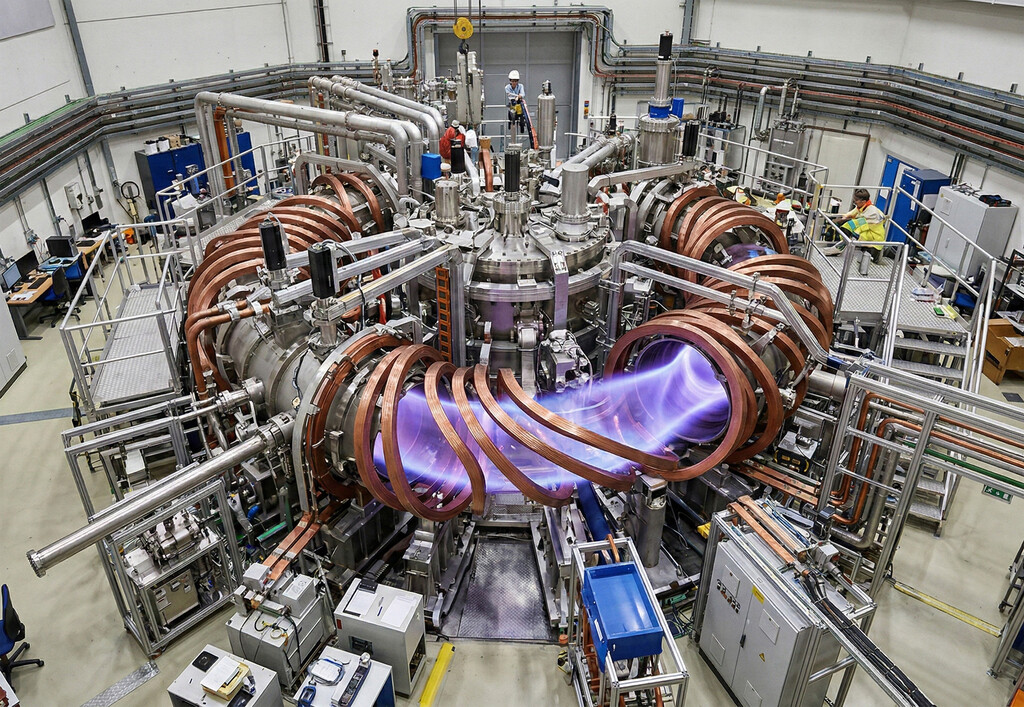
However, achieving fusion on Earth requires extreme temperatures and pressures, making it technologically complex. Recent breakthroughs, such as those at the National Ignition Facility, have demonstrated net energy gain, proving that fusion is scientifically feasible.
Why Fusion Is Different from Fission
Fission reactors have been commercial for decades, but they come with risks like meltdowns and radioactive waste. Fusion, on the other hand, doesn't produce runaway reactions and generates far less hazardous byproducts.
Yet fusion's complexity means it requires massive upfront investment. The physics is no longer the sole barrier; the economics are now under scrutiny.
The New Challenge: Financing Commercial Fusion
Whyte and Lo argue that the fusion community must now focus on attracting private capital. Governments have funded basic research, but commercializing fusion requires a different approach—one that appeals to investors seeking returns.
The authors propose a model that bridges the gap between public funding and private investment, emphasizing the need for clear milestones and risk-sharing mechanisms.
Key Takeaways for Investors and Policymakers
- Fusion is scientifically feasible but needs significant capital to scale.
- Private investment is crucial to accelerate development and reduce costs.
- Public-private partnerships can mitigate risks and share burdens.
- Clear milestones and timelines are needed to attract investors.
- Regulatory frameworks must evolve to support fusion's unique characteristics.
Comparing Fusion and Fission
| Aspect | Fusion | Fission |
|---|---|---|
| Fuel | Hydrogen isotopes (deuterium, tritium) | Uranium, plutonium |
| Waste | Short-lived, low-level | Long-lived, high-level |
| Safety | No meltdown risk | Meltdown risk |
| Energy density | Very high | High |
| Commercial status | Experimental | Mature |
The Role of Investors in Fusion's Future
Venture capital and institutional investors are showing growing interest in fusion startups. Companies like Commonwealth Fusion Systems and Tokamak Energy have raised hundreds of millions, signaling confidence in fusion's potential. The longer history behind the story is traced in Spain Extends Almaraz Nuclear Plant License to 2030 Amid Energy Crisis.
However, investors need assurance that their money will yield returns within a reasonable timeframe. Whyte and Lo suggest that fusion projects should adopt staged financing, with technical milestones triggering further investment. The background to this story is set out in Nuclear Fusion Commercial Race: Private Firms Target 2035. A related thread runs through Europe Puts Nuclear Fusion Hopes to the Test With Wendelstein 7-X. Earlier coverage in UK's £30m People's Power: Community Clean Energy Revolution shows how the argument developed.
What Needs to Happen Next
To move fusion from the lab to the grid, several things must align: continued government support, innovative financing models, and a regulatory environment that accommodates fusion's distinct safety profile. A closer look at the same subject appears in Trump Admits Clean Energy Grants Canceled Based on Politics. Anyone following the wider picture can start with WA Oil Refinery 'Dinosaur Technology' in Clean Energy Shift. The same theme surfaces in Climate Solutions: Positive Tipping Points for Clean Energy, which takes a different angle.
The authors also stress the importance of international collaboration, as fusion research benefits from shared knowledge and resources. Context on how this played out before sits in Trump Admin Admits Canceling $7.5B Clean Energy Grants. A companion piece, Union Clean Energy Jobs Thrive Despite Trump Attacks, approaches the same subject from another angle.
FAQ
Why is fusion considered a solution to energy problems?
Fusion offers abundant fuel, no greenhouse gas emissions, and minimal long-lived radioactive waste. It could provide a nearly limitless source of clean energy.
What is the main obstacle to commercial fusion?
The main obstacle is now financial and engineering, not physics. Building a commercial fusion plant requires massive investment and overcoming material and engineering challenges.
How can investors get involved in fusion?
Investors can support fusion through venture capital, public-private partnerships, or by investing in fusion startups. Due diligence is key, as timelines and risks vary.
When will fusion be commercially available?
Experts predict fusion could be commercially viable in the 2030s or 2040s, but this depends on funding and technological progress. Some startups aim for earlier demonstration plants.
Browse the Shop
 Acacia frida deluxe solid wood bed frame |
Bedroom bench |
Bed chest drawers |
Lingerie dresser |
Frame base |
Mirror with jewelry storage |
30 Bathroom Vanity |
Memory foam queen mattress |
Mattresses for back pain |
Nightstand set of 2 |
Grand Goldman Shop |
Civil Lawyer
Deutschland Trikot WM 2026







