

The Wels catfish (Silurus glanis) has become a symbol of invasive species in Spain, but the story of how it took over the Ebro River is more complex than the legend of a single German angler. For fifty years, we've blamed one man for introducing the fish in 1974, yet the real culprit is the massive habitat transformation that made the river a perfect home for this apex predator.
In 1966, the Mequinenza Dam came online, followed by the Riba-roja Dam in 1969. Together, they turned 150 kilometers of the Ebro into a deep, warm, nutrient-rich reservoir—a 'inland sea' unlike anything seen before. Five years later, a German angler decided this new environment needed something worth catching. But by then, the house was already furnished, and we had furnished it ourselves.
Find Original Home Decor sparking conversation at Grand Goldman Shop.

The Wels Catfish Introduction: Fact vs. Myth
Curiously, the academic record of the Wels catfish introduction in Spain is surprisingly thin. It notes only the year (1974) and the purpose (sport fishing). We don't know the exact location, the number of fish released, or even who did it. Even the MITECO and CSIC can't agree on the release site.
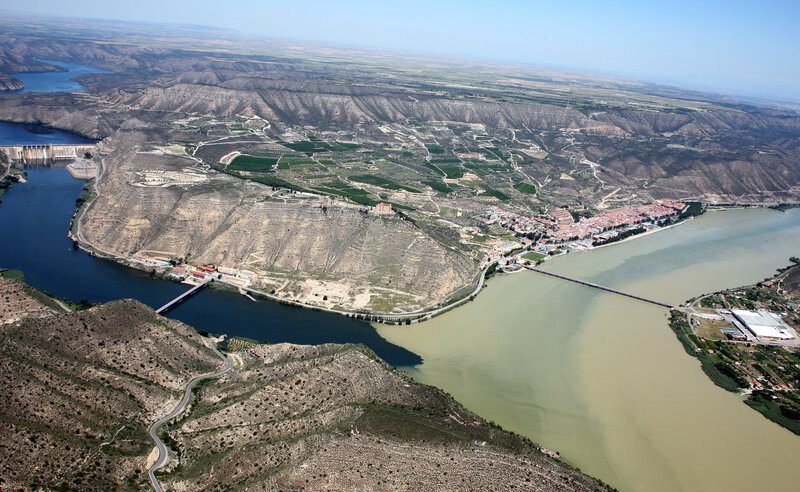
Everything else is mythology. There's no record of the young German biologist or the suitcase with 32 fry beyond oral stories passed down since then. Genetic studies have confirmed a single origin—which explains the low genetic diversity—but little else. The legend has overshadowed the ecological reality.

How the Ebro Became a Catfish Paradise
The Wels catfish didn't just survive in the Ebro; it thrived because we built it a climate-controlled environment. The reservoirs created by the dams provided deep, warm water with abundant nutrients—ideal for a large, predatory fish. Native species weren't adapted to such conditions, giving the catfish a competitive edge.
This isn't unique to Spain. Across Europe, Wels catfish populations have exploded in modified waterways. But the Ebro case is extreme: the river's transformation was so rapid and so extensive that it essentially created a new ecosystem overnight. The catfish was simply the first invader to exploit it.
Why the Wels Catfish Is a Problem
The Wels catfish is Europe's largest freshwater fish, capable of reaching over 2.5 meters and 100 kilograms. As an apex predator, it feeds on native fish, amphibians, and even birds and small mammals. Its presence disrupts the entire food web and threatens endangered species like the European eel and various endemic fish.
Moreover, the catfish's success is a symptom of a larger issue: river degradation. Dams, pollution, and climate change have weakened native populations, making them more vulnerable to invasion. Blaming a single German angler distracts from the need for systemic solutions. The background to this story is set out in Invasive Species in Spain: Why the Guadalquivir Is a Hotspot. A related thread runs through Ebro Reservoir Water Crisis: Why Spain's Biggest Basin Dried. Earlier coverage in Ebro Aims to Be the Seat of the 21st Century, Says Sales Chief shows how the argument developed.
Key Takeaways
- The Wels catfish was introduced to the Ebro in 1974 for sport fishing, but the exact details remain unknown.
- The construction of the Mequinenza and Riba-roja dams created a deep, warm, nutrient-rich reservoir that favored the catfish.
- Genetic studies show a single origin with low diversity, but the legend of the German angler is largely oral history.
- The catfish's impact is severe, but it's a symptom of broader river degradation, not just a single introduction.
- Effective management requires addressing habitat modification and native species recovery, not just culling catfish.
Catfish Impact on Native Species: A Comparison
| Species | Status | Impact from Wels Catfish |
|---|---|---|
| European eel | Critically endangered | High predation pressure |
| Ebro barbel | Vulnerable | Competition and predation |
| Freshwater crayfish | Endangered | Predation by catfish |
| Common carp | Least concern | Minimal (also invasive) |
What's Being Done and What's Next
Efforts to control the Wels catfish in Spain have focused on culling and angling competitions, but these measures are unlikely to eradicate the species. Instead, scientists emphasize restoring natural river flows and improving water quality to bolster native fish populations. The catfish is here to stay, but its dominance can be reduced. A closer look at the same subject appears in Japan's Stray Cat Invasive Species Plan Sparks Backlash. Anyone following the wider picture can start with Invasive Species Cost Australia Billions: How to Respond. The same theme surfaces in Invasive Species Cost Australia $24.5B: How to Respond, which takes a different angle.
Looking ahead, climate change may further favor warm-water species like the catfish, while native cold-water fish struggle. This underscores the need for adaptive management and strict regulation of invasive species introductions. The Ebro's future depends on treating the root causes, not just the symptoms. Context on how this played out before sits in Energy Utilities: latest articles.
FAQ
When was the Wels catfish introduced to the Ebro River?
The Wels catfish was introduced to the Ebro River in 1974, according to academic records. However, the exact location, number of fish, and the person responsible remain unclear, with only oral histories attributing it to a German angler.
Why did the Wels catfish thrive in the Ebro?
The construction of the Mequinenza and Riba-roja dams created a deep, warm, nutrient-rich reservoir that was ideal for the catfish. Native species were not adapted to these conditions, giving the invasive fish a competitive advantage.
What impact does the Wels catfish have on native species?
As an apex predator, the Wels catfish preys on native fish, amphibians, and other wildlife, disrupting the food web. It threatens species like the European eel and Ebro barbel, which are already vulnerable due to habitat degradation.
Can the Wels catfish be eradicated from the Ebro?
Eradication is unlikely. Management focuses on controlling populations through culling and angling, while restoring river habitats to support native species. Addressing the root causes of river degradation is essential for long-term control.
Browse the Shop
 Acacia frida deluxe solid wood bed frame |
Bedroom bench |
Bed chest drawers |
Lingerie dresser |
Frame base |
Mirror with jewelry storage |
30 Bathroom Vanity |
Memory foam queen mattress |
Mattresses for back pain |
Nightstand set of 2 |
Grand Goldman Shop |
Civil Lawyer
Deutschland Trikot WM 2026







