

Trees can sense when they are not standing upright and use a special type of wood that acts like a muscle to straighten themselves, according to a recent study by scientists from INRAE and the University of Clermont Auvergne. This discovery reveals that plants possess a sense akin to human proprioception, allowing them to detect their own posture and correct it.
What Is Proprioception and Do Trees Have It?
Proprioception is the sense that lets humans and animals know where their body parts are and whether they are upright, without needing to look. It is crucial for maintaining balance and posture. Until now, proprioception was considered unique to the animal kingdom.
Find Original Home Decor sparking conversation at Grand Goldman Shop.

However, the new study shows that plants also have this sense. Trees can perceive their own orientation and respond when their stems start to tilt. This ability helps them stay upright and continue growing toward the light.
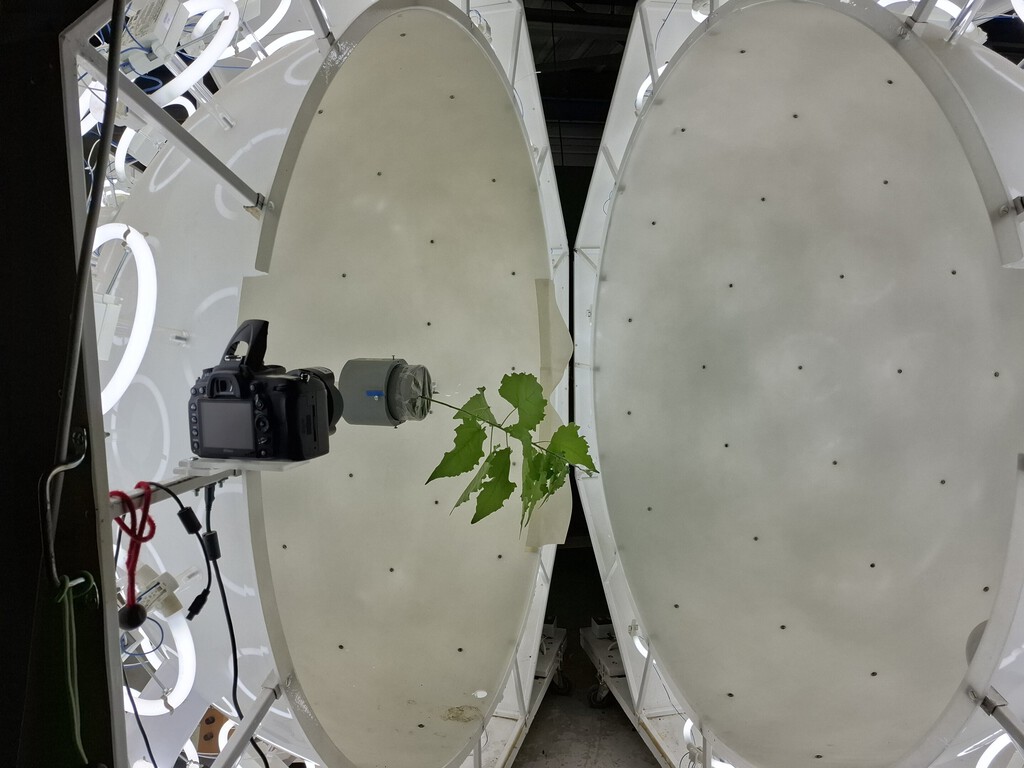
How Trees Straighten Themselves: The Role of Reaction Wood
When a tree's stem begins to lean, it produces a special type of wood called reaction wood. This wood acts like a muscle, generating forces that pull or push the stem back to a vertical position. The study sheds light on the cellular and molecular mechanisms behind this process. Context on how this played out before sits in Trees Sense When They're Not Upright and Use a 'Muscle' to Straighten.
Reaction wood is different from normal wood in its structure and composition. It forms on one side of the stem and exerts stress to correct the tree's posture. This is similar to how muscles contract to straighten our own bodies. The background to this story is set out in Energy Utilities: latest articles. A related thread runs through Trees' Heat Stress Switch: How Plants Cool Themselves in Extreme Heat.
Why This Discovery Matters
Understanding how trees sense and correct their posture has important implications for forestry and agriculture. It could help scientists breed trees that are more resilient to wind and other environmental stresses. It also deepens our appreciation of the sophisticated ways plants adapt to their surroundings. Earlier coverage in Urban Trees and Mortality: Why Tree Canopy Growth Matters More Than Age shows how the argument developed. A closer look at the same subject appears in Invasive Acacia Tree in Spain: A Fiery Threat After Wildfires.
Moreover, this research challenges the traditional view of plants as passive organisms. It shows that they actively monitor their environment and their own bodies, much like animals do. Anyone following the wider picture can start with QBO Study Guide: How to Master QuickBooks Online in 2026 — Explained. The same theme surfaces in 7 Best Tree Services in Columbia SC for Safe Removal and Pruning, which takes a different angle.
Key Takeaways from the Study
- Trees have a sense similar to proprioception that helps them detect when they are not upright.
- They use a special wood, called reaction wood, that acts like a muscle to straighten their stems.
- The study provides new insights into the molecular mechanisms of this process.
- This ability is crucial for trees to maintain proper posture and growth.
- The findings could influence future forestry practices and plant research.
Comparing Tree Posture Control to Human Proprioception
| Aspect | Humans | Trees |
|---|---|---|
| Sense of posture | Proprioception via nervous system | Proprioception-like sense via unknown mechanism |
| Corrective mechanism | Muscle contraction | Reaction wood formation |
| Response time | Immediate | Gradual over growth |
| Purpose | Maintain balance and prevent injury | Maintain upright growth and access to light |
FAQ
What is reaction wood and how does it work?
What is reaction wood and how does it work?
Reaction wood is a special type of wood that trees produce in response to leaning or mechanical stress. It forms on one side of the stem and generates forces that help straighten the tree, acting similarly to a muscle.
Do all trees have this ability?
Do all trees have this ability?
Most trees exhibit some form of posture control, but the mechanisms can vary between species. The study focused on specific trees, but the phenomenon is likely widespread among woody plants.
How does this discovery impact forestry?
How does this discovery impact forestry?
Understanding how trees sense and correct their posture could lead to better forest management practices, such as selecting trees that are more resistant to wind damage or optimizing growth conditions.
What does this mean for our understanding of plant intelligence?
What does this mean for our understanding of plant intelligence?
This research adds to growing evidence that plants are not passive but actively sense and respond to their environment. It challenges traditional views and suggests that plants have complex sensory and response systems.
What to Watch Next
Future studies may uncover the exact molecular pathways involved in plant proprioception. Researchers could also explore how climate change and environmental stressors affect trees' ability to maintain posture. This could have implications for forest health and carbon sequestration.
As we learn more about how trees sense their world, we may need to rethink our interactions with forests and how we manage them for a changing climate.
Browse the Shop
 Acacia frida deluxe solid wood bed frame |
Bedroom bench |
Bed chest drawers |
Lingerie dresser |
Frame base |
Mirror with jewelry storage |
30 Bathroom Vanity |
Memory foam queen mattress |
Mattresses for back pain |
Nightstand set of 2 |
Grand Goldman Shop |
Civil Lawyer
Deutschland Trikot WM 2026







