

A ascensão das negociações sem comissões mudou completamente a forma como as pessoas investem, e Robinhood tem estado no centro dessa revolução. Lançada em 2013, a Robinhood rapidamente se tornou um dos aplicativos de investimento mais populares nos EUA, atraindo milhões de investidores iniciantes com seu negociação sem taxas, plataforma móvel elegante, e acesso fácil a ações, ETFs, opções, e até criptomoedas. Mas, à medida que a plataforma continua a crescer, muitos investidores levantam a questão-chave: Robinhood realmente vale a pena investir em 2025?
Esta análise aprofundada Revisão da Robinhood explora os prós e contras do aplicativo, incluindo suas ferramentas de negociação, recursos de pesquisa, e medidas de segurança.
Find Bleeding Edge Supplements at Scandalous Prices on iHerb.

Se você é um investidor iniciante procurando sua primeira conta de corretagem ou um investidor mais experiente buscando investimento de baixo custo, compreender o conjunto completo de recursos da Robinhood é essencial. Esta análise explica o que diferencia a Robinhood, quais são as desvantagens, e, afinal, se ela merece um lugar em sua estratégia de investimento hoje.

Experimente a #1 plataforma de investimento em IA gratuitamente: Intellectia
Introdução: A ascensão do Robinhood
Nos últimos anos, a Robinhood tornou-se um nome comum no mundo da negociação e do investimento em ações. Sua interface simples e fácil de usar atraiu milhões de usuários, especialmente aqueles que são iniciantes no universo de investimentos. Mas a Robinhood vale realmente a pena para suas necessidades de investimento? Nesta avaliação, vamos analisar com mais detalhes os recursos da Robinhood, prós e contras, e o que os usuários estão dizendo sobre ela.
O que é a Robinhood?
Robinhood é um aplicativo de investimentos popular que permite aos usuários negociar ações, opções, ETFs e criptomoedas sem pagar comissões. Fundada em 2013, sua missão é democratizar as finanças para todos, tornando o investimento acessível a todos.
Missão e Crescimento da Robinhood
Com seu aplicativo móvel elegante e fácil de usar, a Robinhood conquistou um enorme número de seguidores, especialmente entre os millennials e investidores iniciantes. Desde sua criação, ela revolucionou a maneira como as pessoas pensam sobre investir e obrigou os corretores tradicionais a se adaptarem.

Quem usa a Robinhood?
O público-alvo principal da Robinhood é composto por jovens, familiarizados com tecnologia, que se sentem à vontade ao navegar em plataformas digitais. Muitos de seus usuários são investidores iniciantes que apreciam o design simples do aplicativo e a baixa barreira de entrada.
Como a Robinhood ganha dinheiro
A Robinhood opera com um modelo de negócios único. Embora não cobre comissões por negociações, gera receita por meio de:
-
Pagamento pelo fluxo de ordens
-
Juros sobre dinheiro não investido
-
Robinhood Gold: Serviço Premium
Esse modelo permite à plataforma manter os custos dos usuários baixos, ao mesmo tempo em que mantém a lucratividade.
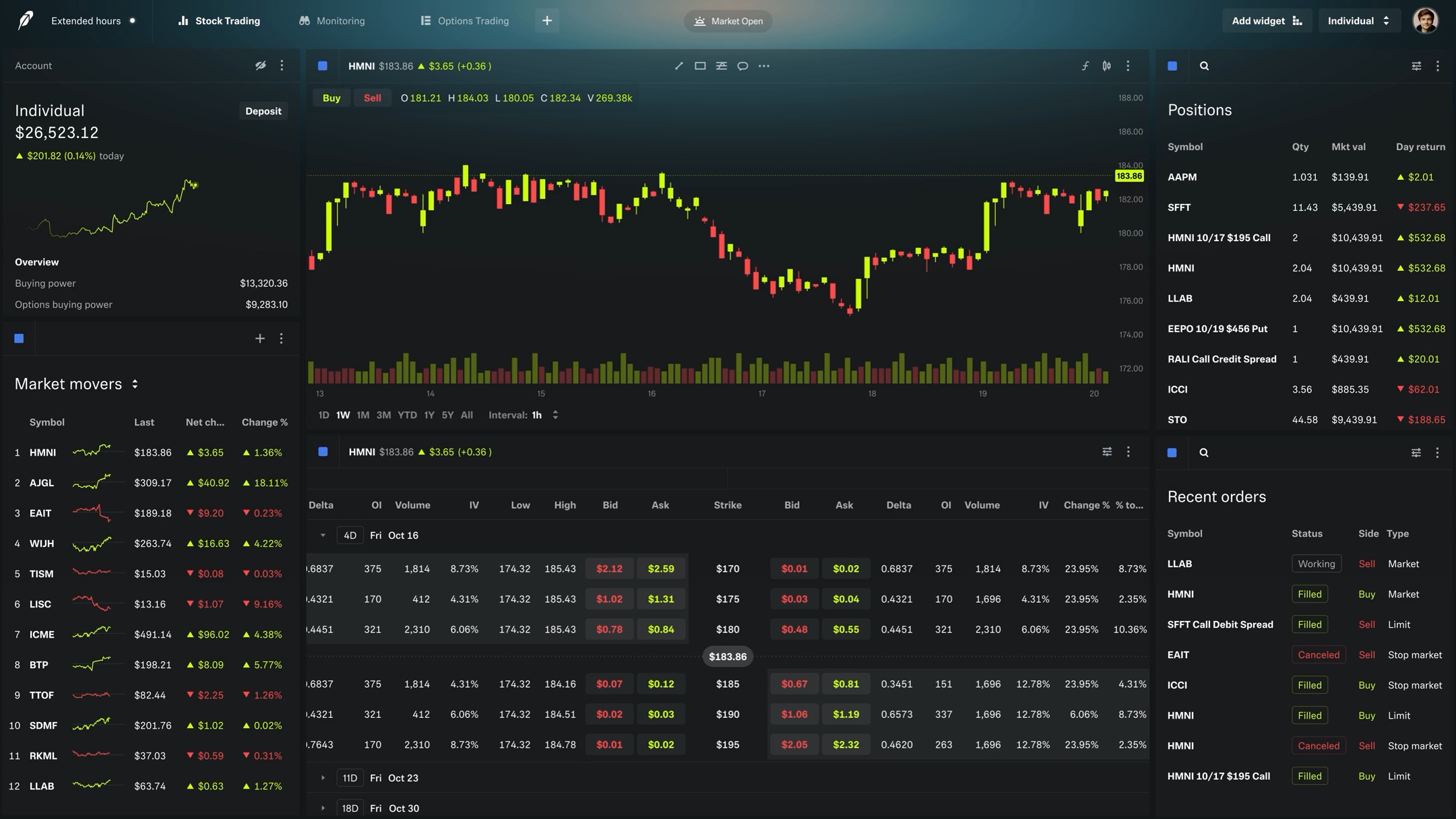
Principais Recursos da Robinhood
Negociação sem comissões
Uma das características de destaque da Robinhood é o seu modelo sem comissões. Ao contrário das corretoras tradicionais, ele não cobra taxas para comprar ou vender ações.
Impacto na Indústria
Essa inovação pressionou os corretores tradicionais a reduzirem suas taxas, beneficiando investidores em todo o mercado.
Potenciais Desvantagens
Embora a ausência de comissões incentive as negociações, ela também pode levar a comportamentos impulsivos. Investidores iniciantes devem adotar disciplina para evitar operações excessivas.
Ações Fracionárias: Invista com Pequenos Montantes
Com a Robinhood, você pode investir em ações fracionárias, permitindo possuir uma parte de ações caras como Amazon ou Tesla.
Acessibilidade e Diversificação
Ações fracionárias tornam possível investir em empresas premium com capital limitado. Elas também permitem uma diversificação maior entre setores.
Benefícios Educacionais
Iniciantes podem experimentar pequenas quantias para entender os movimentos do mercado antes de investir quantias maiores.
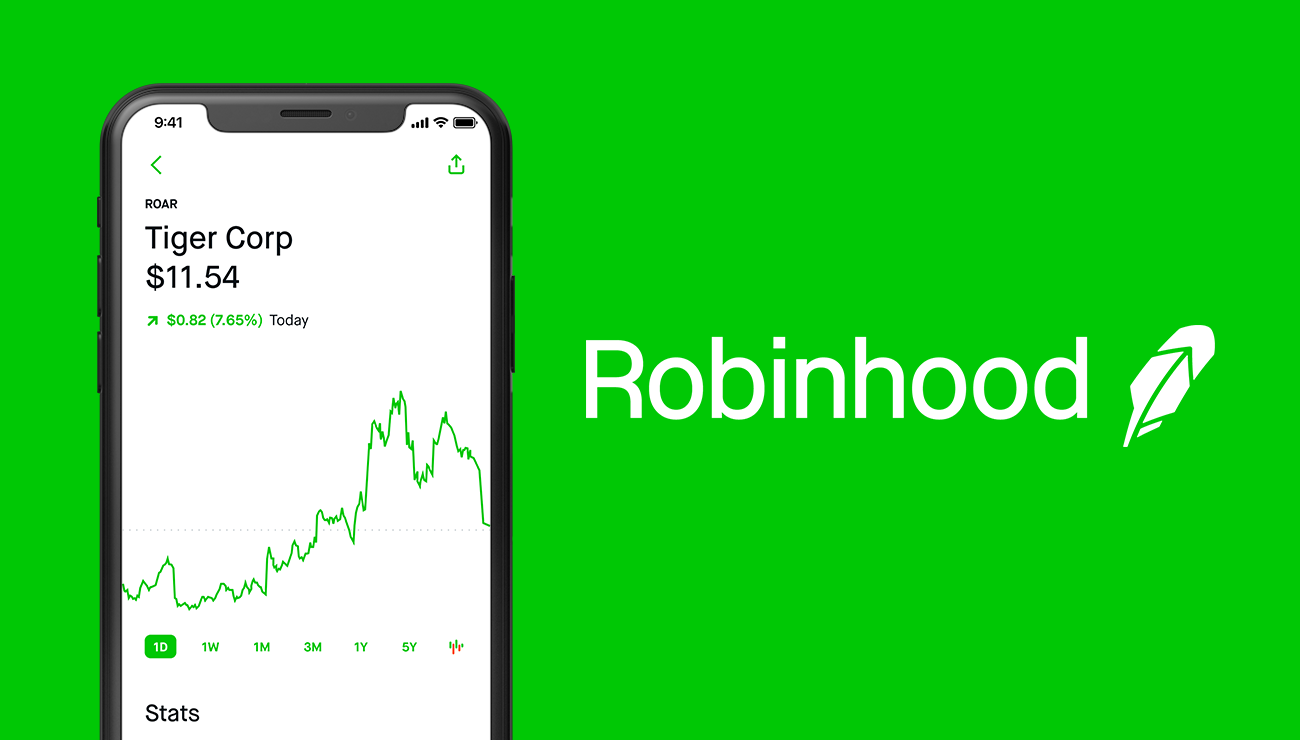
Robinhood Gold: Assinatura Premium
O Robinhood Gold é um nível pago que oferece negociação com margem, depósitos instantâneos maiores e relatórios de pesquisa Morningstar.
Negociação com Margem e Riscos
Embora a negociação com margem possa ampliar ganhos, ela também aumenta a exposição a perdas. Os investidores devem entender esses riscos antes de usar alavancagem.
Acesso à pesquisa Morningstar
Assinantes Gold recebem insights de qualidade profissional, aprimorando a tomada de decisão para operadores ativos.
Vale a pena?
Para investidores que buscam pesquisa profissional e mais flexibilidade de capital, o Robinhood Gold pode ser valioso, mas iniciantes podem não precisar dele.
Guias
Melhor Plataforma de Investimento para Iniciantes | Quanto dinheiro preciso investir para ganhar 3000 por mês? | Como ganhar 1000 por mês investindo | Quanto vale investir 1000 por mês durante 30 anos? | Devo usar Robinhood ou Fidelity
Negociação de Criptomoedas
A Robinhood permite negociação sem comissões de criptomoedas populares como Bitcoin, Ethereum e Dogecoin.
Acessibilidade e Simplicidade
Sua interface simplificada torna o investimento em criptomoedas acessível para iniciantes.
Riscos da Negociação de Criptomoedas
Os mercados de criptomoedas são voláteis; os investidores devem entender os riscos associados antes de mergulhar.
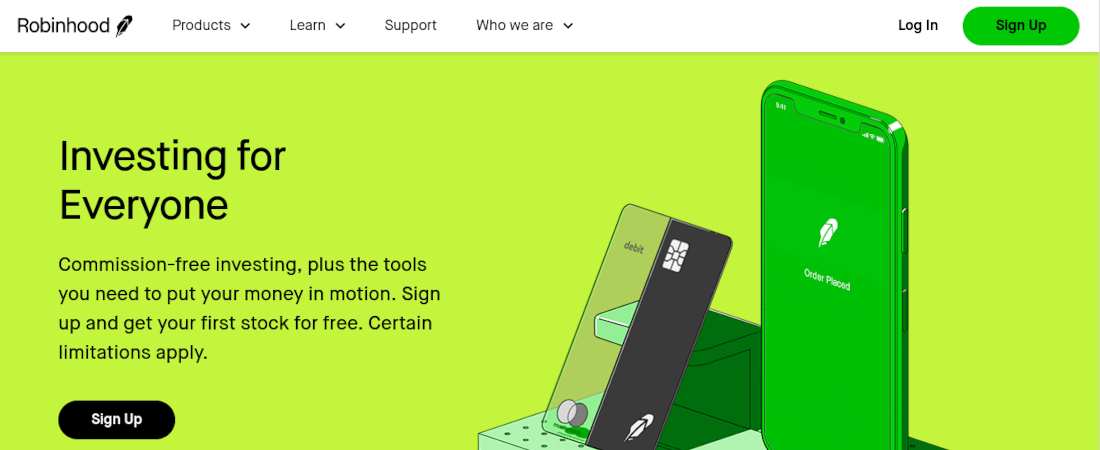
Prós do Robinhood
-
Interface Amigável: Ideal para iniciantes
-
Negociação sem Comissão: Economize em taxas
-
Ações Fracionárias: Investimento acessível em ações de destaque
-
Negociação de Criptomoedas: Compre e venda ativos digitais com facilidade
-
Depósitos Instantâneos: Acesso rápido aos fundos de negociação
Contras do Robinhood
-
Produtos de Investimento Limitados: Não há fundos de investimento mútuos ou títulos
-
Problemas de Suporte ao Cliente: Relatos de respostas lentas
-
Sem Contas de Aposentadoria: Não possui IRAs ou 401(k)s
-
Risco de Overtrading: A simplicidade pode incentivar decisões impulsivas
-
Ferramentas de Pesquisa Limitadas: Análise básica na versão gratuita
Experiência do Usuário e Avaliações
Comentários positivos
Os usuários elogiam o design limpo da Robinhood, a navegação fácil e as negociações sem custos. A integração de criptomoedas também é um grande diferencial.
Reclamações Comuns
Avaliações negativas costumam citar suporte ao cliente ruim, opções de investimento limitadas e a falta de ferramentas de pesquisa para traders avançados.
Quem deve usar o Robinhood?
Melhor para iniciantes
A simplicidade do Robinhood, as ações fracionárias e as ferramentas educacionais o tornam ideal para investidores iniciantes que desejam aprender o básico.
Não é ideal para traders avançados
Investidores experientes podem achar a falta de análises detalhadas, fundos mútuos e títulos restritiva para estratégias de portfólio complexas.
Robinhood vale a pena? Veredito final
A Robinhood transformou a indústria de corretoras ao popularizar operações sem comissões e uma experiência centrada no usuário.
Para iniciantes, é um excelente ponto de entrada para investir, graças à facilidade de uso e à acessibilidade.
No entanto, investidores avançados que buscam ferramentas completas e opções de investimento podem preferir corretores tradicionais.
Em última análise, se o Robinhood vale a pena depende de sua experiência de investimento, objetivos e do estilo de negociação que você prefere.

Experimente a #1 plataforma de investimento em IA gratuitamente: Intellectia | Intellectia AI Review
FAQ: Investimento com Robinhood - O que você precisa saber
1. O Robinhood é seguro de usar?
Sim. A Robinhood é regulamentada pela FINRA e pela SEC e oferece seguro SIPC de até $500,000 para valores mobiliários (incluindo $250,000 para dinheiro).
2. A Robinhood cobra taxas ocultas?
Não há comissões de negociação cobradas, mas certos serviços — como operações com margem no Robinhood Gold — têm taxas.
3. Posso comprar ações fracionárias no Robinhood?
Sim. Você pode investir em frações de ações caras, permitindo a diversificação do portfólio com quantias menores.
4. A Robinhood oferece contas de aposentadoria?
Atualmente, a Robinhood não oferece IRAs ou 401(k)s, portanto é mais adequada para investimentos tributáveis.
5. Posso negociar criptomoedas no Robinhood?
Sim. Os usuários podem comprar e vender criptomoedas como Bitcoin, Ethereum e Dogecoin diretamente no aplicativo.
6. O Robinhood Gold vale a pena?
Pode ser, se você quiser acesso a operações com margem, depósitos maiores e pesquisas profissionais da Morningstar. Para investidores casuais, a versão gratuita é suficiente.
Browse the Shop
 Acacia frida deluxe solid wood bed frame |
Bedroom bench |
Bed chest drawers |
Lingerie dresser |
Frame base |
Mirror with jewelry storage |
30 Bathroom Vanity |
Memory foam queen mattress |
Mattresses for back pain |
Nightstand set of 2 |
Grand Goldman Shop |
Civil Lawyer
Deutschland Trikot WM 2026
Acacia frida deluxe solid wood bed frame |
Bedroom bench |
Bed chest drawers |
Lingerie dresser |
Frame base |
Mirror with jewelry storage |
30 Bathroom Vanity |
Memory foam queen mattress |
Mattresses for back pain |
Nightstand set of 2 |
Grand Goldman Shop |
Civil Lawyer
Deutschland Trikot WM 2026










