

PlayStation is arguing that it is logical for consumers not to own digital games, and that reasonable consumers already understand this. The company's legal response to a class-action lawsuit over its digital storefront makes clear that a purchased game is a license, not property. This stance, while controversial, aligns with how Microsoft, Nintendo, and Valve operate their own digital storefronts.
The lawsuit, filed in June, accuses Sony of misleading users with labels like "Buy Now" and "Confirm Purchase" on the PlayStation Store. Plaintiffs argue these terms create a false sense of ownership when, in reality, users are only licensing the content until Sony or the publisher decides to remove it. Sony's defense is blunt: digital games are never owned, only licensed, and reasonable consumers should know that.
Find Original Home Decor sparking conversation at Grand Goldman Shop.

Why PlayStation's Argument Matters to Every Gamer
This legal battle is not just about semantics. It touches on a fundamental shift in how we access entertainment. When you buy a physical disc, you own that copy and can resell it, lend it, or keep it forever. With digital purchases, you are granted a license that can be revoked. Sony's position underscores that the convenience of digital libraries comes with trade-offs that many players overlook.
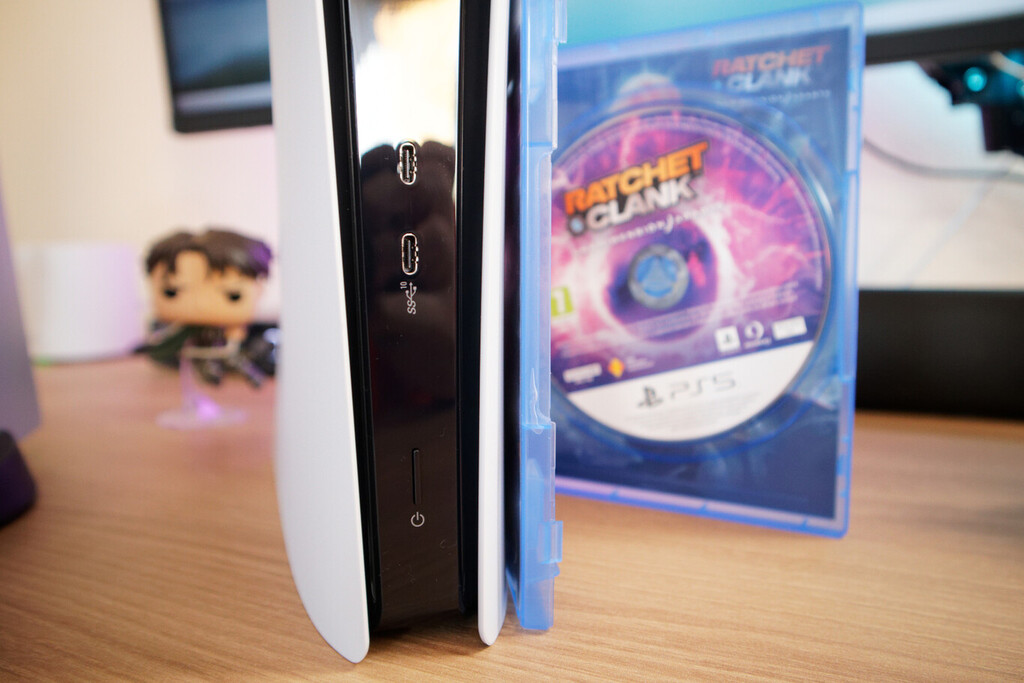
The implications are real: if a game is delisted from the store or your account is banned, you could lose access to content you paid for. This is why understanding the difference between ownership and licensing is crucial for any consumer.

The Legal Precedent Behind Digital Licenses
Courts have generally sided with companies on this issue. The terms of service that users agree to when creating an account explicitly state that purchases are licenses. Sony's argument that "reasonable consumers" know this is a common legal defense. It shifts the responsibility to the user to read the fine print, which few do.
However, consumer advocacy groups argue that marketing language like "Buy Now" is intentionally ambiguous. The average gamer does not distinguish between buying a license and buying a product. This disconnect is at the heart of the lawsuit.
How Sony's Stance Compares to Competitors
Sony is not alone in this approach. Microsoft, Nintendo, and Valve all have similar licensing agreements. The table below summarizes how each platform handles digital purchases and ownership rights.
| Platform | Digital Purchase Model | Can Revoke Access? | Refund Policy |
|---|---|---|---|
| PlayStation | License, not ownership | Yes, per terms | Limited, case-by-case |
| Xbox | License, not ownership | Yes, per terms | Limited, case-by-case |
| Nintendo | License, not ownership | Yes, per terms | Limited, case-by-case |
| Steam | License, not ownership | Yes, per terms | 14-day/2-hour policy |
While the specifics vary, the core principle is the same: you do not own your digital games. This industry-wide practice means that Sony's defense is not an outlier but the norm. The lawsuit could set a precedent that affects all digital storefronts.
What Gamers Should Know About Their Digital Libraries
Given this reality, gamers should be aware of what they are actually paying for. Here are key takeaways to keep in mind:
- Digital games are licenses that can be revoked if terms are violated or content is delisted.
- Physical copies offer true ownership and can be resold or shared.
- Account security is critical because losing access to your account means losing your library.
- Read the terms of service to understand your rights and limitations.
- Support consumer advocacy efforts that push for clearer digital ownership laws.
These points highlight the importance of making informed decisions when buying digital content. While the convenience is undeniable, the risks are real. The background to this story is set out in PlayStation Blackout 2025: Will Kids Leave Their Bedrooms This. A related thread runs through PlayStation Blackout: Why Gamers Are Boycotting Sony This Summer. Earlier coverage in Gamers Protest Sony's End of Physical Media: Digital-Only Future shows how the argument developed.
The Future of Digital Ownership and Consumer Rights
As digital sales continue to dominate, the debate over ownership is unlikely to fade. Regulators in some regions are already exploring laws that would require clearer labeling of digital purchases. For example, the EU has proposed directives that could force companies to disclose the license nature of digital goods. A closer look at the same subject appears in New Licensing for Game Shoots Could Protect Birds of Prey. Anyone following the wider picture can start with Sony announced the first PlayStation Monitor (VIDEO+PICTURES). The same theme surfaces in PlayStation 6 Memory Race: Samsung and SK hynix Compete for GDDR7 Supply, which takes a different angle.
Sony's legal stance may be logical from a business perspective, but it may also fuel consumer backlash. The outcome of this lawsuit could influence how digital storefronts operate worldwide. Gamers should stay informed and advocate for transparency. Context on how this played out before sits in 17 Times Owning Pets Was Like Being On A Comedy Show.
FAQ
Do I own the digital games I buy on PlayStation?
No, you do not own digital games purchased on PlayStation. You are granted a license to access and play the game, which can be revoked according to Sony's terms of service. This is similar to other digital storefronts.
Why is Sony being sued over digital game purchases?
Sony is being sued for allegedly misleading consumers with terms like "Buy Now" that imply ownership. The plaintiffs argue that these labels create a false sense of ownership when users are only licensing the content.
What happens to my digital games if they are delisted?
If a digital game is delisted from the store, you may still be able to download and play it if you already purchased it, but access is not guaranteed. In some cases, the license can be revoked, and you could lose access entirely.
How does this affect other platforms like Xbox and Steam?
Other platforms have similar licensing agreements. Microsoft, Nintendo, and Valve all state that digital purchases are licenses, not ownership. The lawsuit against Sony could influence how these companies communicate their policies.
Browse the Shop
 Acacia frida deluxe solid wood bed frame |
Bedroom bench |
Bed chest drawers |
Lingerie dresser |
Frame base |
Mirror with jewelry storage |
30 Bathroom Vanity |
Memory foam queen mattress |
Mattresses for back pain |
Nightstand set of 2 |
Grand Goldman Shop |
Civil Lawyer
Deutschland Trikot WM 2026







