

The Pokémon cartridge market just shattered another record: three sealed first-edition Game Boy games sold for $2 million, highlighting the growing divide between physical and digital gaming. The deal, brokered by Nostalgix, involved Pokémon Blue, Red, and Yellow: Special Pikachu Edition, all graded by PSA with near-perfect scores.
This sale is the third time in nine weeks that Nintendo-related collectibles have broken their own price ceiling, and none of these record deals happened at traditional public auctions. The timing is telling: Sony just announced a deadline for physical game production, and Japan is considering regulating Pokémon cards as financial assets.
Find Original Home Decor sparking conversation at Grand Goldman Shop.

Inside the $2 Million Pokémon Cartridge Sale
Nathan Howerton, founder of Nostalgix, the agency that mediated the transaction, confirmed that these first-edition cartridges retain their factory seal. PSA, the US agency that certifies the authenticity and condition of collectibles, awarded them the highest grades ever seen for this trio: 9.8 for Blue and a perfect 10 for both Red and Yellow.
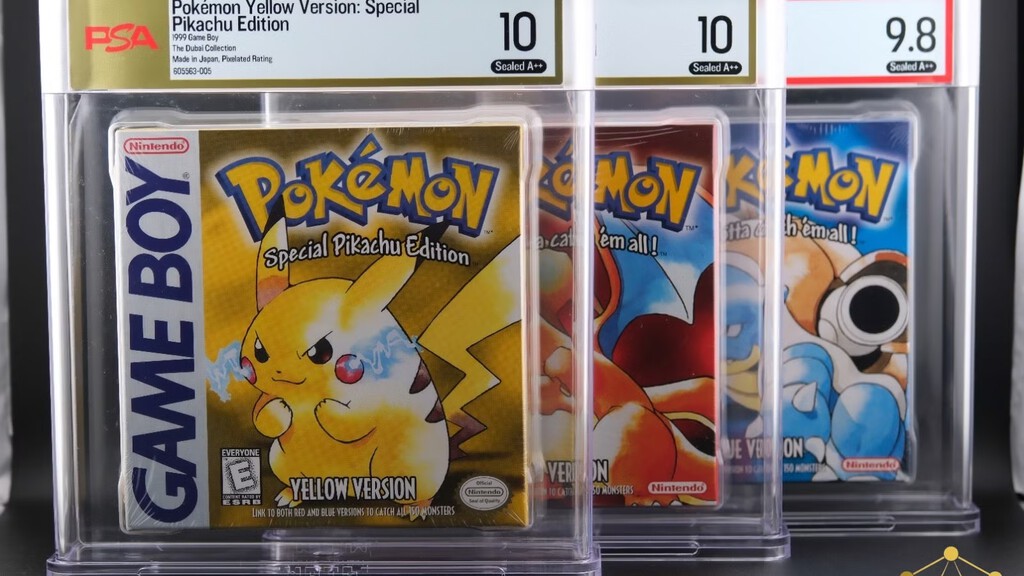
Howerton emphasizes that such copies are "irreplaceable pieces of video game history." The agency notes that a perfect 10 on a cartridge is extremely rare because injection molding almost always leaves some mark. The complete absence of defects is what drives the price to seven figures.
Why Physical Games Are Becoming Collectibles
The sale comes as physical media faces existential pressure. Sony recently set an end date for physical game production, signaling a broader industry shift toward digital-only distribution. That trend is making sealed, graded games increasingly scarce and desirable.
At the same time, Japan is moving to regulate Pokémon cards as financial instruments, which could bring more scrutiny and legitimacy to the collectibles market. Together, these forces are turning vintage games into alternative assets.
- Scarcity drives value: Sealed, high-grade games are becoming rarer as physical production declines.
- Grading matters: PSA scores of 9.8 and 10 command massive premiums.
- Private sales dominate: Record deals are happening off public auction blocks.
- Regulation looms: Japan's potential oversight of Pokémon cards could reshape the market.
- Nostalgia is an asset: Millennials and Gen X are driving demand for childhood favorites.
How PSA Grading Affects Game Values
PSA grades range from 1 to 10, with 10 being gem mint. For video games, a 10 means the item is virtually flawless, including the seal, box, and cartridge. Because manufacturing imperfections are common, perfect scores are rare, especially for early Game Boy titles.
The difference between a 9.8 and a 10 can be hundreds of thousands of dollars. In this sale, the two perfect 10s (Red and Yellow) likely accounted for most of the $2 million total. Collectors pay premiums for the best-known copies.
Comparison of the Three Cartridges
| Game | PSA Grade | Condition | Estimated Value Share |
|---|---|---|---|
| Pokémon Blue | 9.8 | Near-perfect, factory sealed | High |
| Pokémon Red | 10 | Perfect, factory sealed | Very high |
| Pokémon Yellow: Special Pikachu Edition | 10 | Perfect, factory sealed | Very high |
What This Means for Collectors and Investors
For collectors, this sale reinforces the value of preserving sealed games. For investors, it signals that video games are maturing as an alternative asset class, similar to comic books and trading cards. However, the market is thin and volatile, with prices driven by a small number of high-net-worth buyers.
The lack of public auctions also makes price discovery difficult. Private sales can set records without transparent bidding, which may inflate perceptions of value. Still, the trend is clear: physical games are becoming museum pieces. The background to this story is set out in Why Retro Gaming Remakes Are Winning Over Millennials in 2026. A related thread runs through Charity Shop Video Games: Hidden Gems and Retro Finds. Earlier coverage in Charity Shop Video Games: Hidden Gems and Retro Treasures shows how the argument developed.
The Future of Physical Media in Gaming
As major publishers move toward digital distribution, physical games are transitioning from mainstream products to niche collectibles. This shift could create a two-tier market: affordable digital access and expensive physical artifacts. A closer look at the same subject appears in Pokémon 30th Anniversary: Why Fans Still Catch 'Em All. Anyone following the wider picture can start with Pokémon Go at 10: Finding Wonder in Nature Through Games. The same theme surfaces in Pokémon 30 Years: Why Fans Still Catch 'Em All, which takes a different angle.
Nintendo's intellectual property, especially Pokémon, remains the strongest driver of nostalgia-based demand. With the franchise's 30th anniversary approaching, interest in vintage Pokémon games is likely to grow. But buyers should be cautious: not every sealed game is a million-dollar asset. Context on how this played out before sits in Hong Kong Claw Machine Craze: Plushies, Labubu, and Pokémon. A companion piece, Pokémon Card Speculation Booms at Madrid Temple of Collecting, approaches the same subject from another angle.
FAQ
Why are Pokémon cartridges so valuable?
Sealed, high-grade Pokémon games are rare, especially early Game Boy titles. Their nostalgic appeal and the decline of physical media make them desirable collectibles. Perfect PSA grades further inflate prices.
What is PSA grading for video games?
PSA is a US agency that authenticates and grades collectibles on a 1-10 scale. For video games, a 10 means the item is virtually flawless, including seal and packaging. High grades significantly increase value.
Are physical games dying?
Yes, major platforms like Sony are ending physical production, pushing the industry toward digital-only distribution. This makes physical games more collectible but less accessible to average consumers.
Should I invest in sealed video games?
Sealed games can be lucrative but are risky due to market volatility and lack of regulation. Consult experts and focus on high-grade, culturally significant titles if considering investment.
Browse the Shop
 Acacia frida deluxe solid wood bed frame |
Bedroom bench |
Bed chest drawers |
Lingerie dresser |
Frame base |
Mirror with jewelry storage |
30 Bathroom Vanity |
Memory foam queen mattress |
Mattresses for back pain |
Nightstand set of 2 |
Grand Goldman Shop |
Civil Lawyer
Deutschland Trikot WM 2026







