

AEMET has just released its official forecast for the solar eclipse on August 12, providing crucial insights for skywatchers across Spain. The State Meteorological Agency's special bulletin gives an early look at what to expect, though predictions will become more accurate as the event approaches. With the eclipse occurring shortly before sunset, even a single cloud could spoil the view, making cloud cover the key factor to watch.
What AEMET's Forecast Reveals
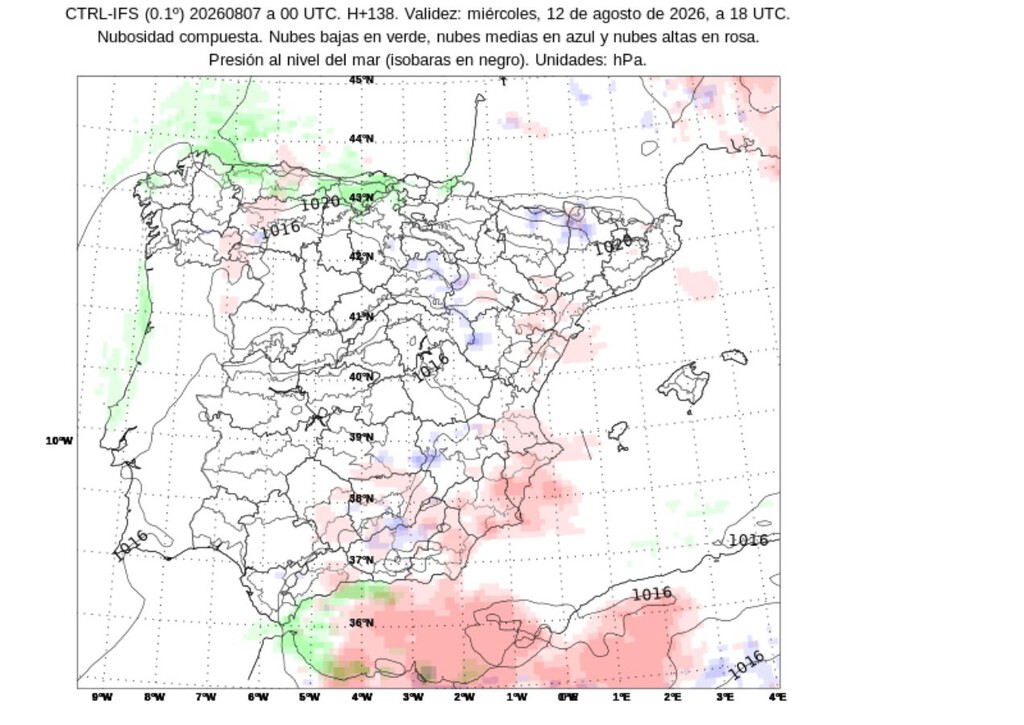
According to the initial predictions from AEMET, the Cantabrian region is expected to have the most cloud cover, potentially hindering eclipse visibility. Coastal areas of Galicia and the Alborán Sea may also see some clouds, but there is greater uncertainty in these zones. Meanwhile, the afternoon will bring developing cloudiness in parts of the eastern peninsula, northern mountains, and areas of Andalusia, where high clouds from Africa may also move in.
Find Original Home Decor sparking conversation at Grand Goldman Shop.

In the Canary Islands, some low clouds are expected on the northern slopes of the larger islands, which could affect viewing there. However, the rest of the country is forecast to have clear skies, offering a great opportunity to witness the celestial event. As the eclipse unfolds in the late afternoon, these cloud details will be critical for observers.
Regional Breakdown: Where to Watch
For those planning to watch the eclipse, location matters. The Cantabrian coast and nearby areas are likely to face the most cloud cover, so finding a clear vantage point may be challenging. Galicia's coastline and the Alborán region also have a chance of clouds, but the uncertainty means it's worth checking updated forecasts. In the eastern peninsula, including parts of Catalonia and Valencia, developing clouds could obscure the view, especially over mountainous terrain.
Andalusia may see high clouds drifting in from Africa, which could thin the eclipse's visibility. The Canary Islands' northern slopes might have low clouds, but southern areas could be clearer. For the best chances of clear skies, head to the interior and western parts of Spain, where mostly clear conditions are expected. Always have a backup plan and be ready to move if clouds threaten.
Why This Eclipse Is Special
The August 12 solar eclipse is a partial eclipse, but it's still a spectacular sight. Occurring shortly before sunset, the Sun will be low on the horizon, creating a dramatic effect. This timing means that even a small cloud could block the view, so choosing a location with an unobstructed western horizon is essential. The eclipse will be visible across all of Spain, but weather conditions will vary.
Unlike a total eclipse, a partial eclipse requires proper eye protection at all times. Never look directly at the Sun without certified solar filters. Many observatories and astronomy groups are organizing viewing events, which can provide safe equipment and expert guidance. Check local listings for events near you.
How to Prepare for the Eclipse
To make the most of the eclipse, preparation is key. First, monitor AEMET's updates as the date approaches, since forecasts become more reliable within 24 hours. Second, choose a location with a clear view to the west, as the Sun will be setting. Third, gather safe viewing equipment, such as eclipse glasses or a solar telescope. Finally, arrive early to secure a spot and set up.
If you're in a region with uncertain weather, consider traveling to an area with a better forecast. The difference between a cloudy and clear sky can be huge for eclipse viewing. Also, keep an eye on local weather patterns; sometimes coastal areas clear up in the evening. Flexibility and a willingness to relocate can turn a washout into a memorable experience. The background to this story is set out in AEMET Eclipse Forecast: Cloud Cover Map for August 12. A related thread runs through August 2027 Total Solar Eclipse in Spain: Viewing Guide. Earlier coverage in Solar Eclipse Across Europe: Share Your Photos and Experiences shows how the argument developed.
Key Takeaways from AEMET's Forecast
- Cantabrian region faces the highest risk of cloud cover, potentially obscuring the eclipse.
- Galicia and Alborán coasts may have some clouds, but uncertainty remains.
- Eastern peninsula and Andalusia could see developing clouds and high clouds from Africa.
- Canary Islands may have low clouds on northern slopes of larger islands.
- Rest of Spain is expected to have clear skies, offering excellent viewing conditions.
Comparing Viewing Conditions Across Regions
| Region | Expected Cloud Cover | Viewing Quality |
|---|---|---|
| Cantabrian coast | High | Poor |
| Galicia coast | Moderate (uncertain) | Fair |
| Alborán coast | Moderate (uncertain) | Fair |
| Eastern peninsula | Developing clouds | Variable |
| Andalusia | High clouds from Africa | Variable |
| Canary Islands (north slopes) | Low clouds | Fair |
| Interior and western Spain | Clear | Excellent |
What to Watch Next
As the eclipse date approaches, AEMET will update its forecast, providing more precise cloud cover predictions. Pay attention to local forecasts and any warnings issued. Remember that weather can change rapidly, so check again on the day of the event. Having a contingency plan is wise; identify alternative viewing spots with better prospects. A closer look at the same subject appears in Solar Eclipse Communal Magic: Cornwall's Skyward Moment. Anyone following the wider picture can start with Solar Eclipse in Cornwall: A Magical Communal Experience. The same theme surfaces in Spain's AEMET Forecast: No Autumn in Sight as Heat Persists, which takes a different angle.
For those in cloudy regions, consider virtual viewing options. Many organizations will stream the eclipse live, allowing you to watch from anywhere. However, nothing beats seeing it in person, so if you can travel to a clear area, do so. The experience of witnessing a solar eclipse is unforgettable, and with proper planning, you can maximize your chances of a clear view. Context on how this played out before sits in Spain September Heat: AEMET Forecast U-Turn and 43C Heat. A companion piece, Spain Weather Shift: Nine Days of Rain and Hail After Summer Heat, approaches the same subject from another angle.
FAQ
What is the forecast for the August 12 solar eclipse in Spain?
According to AEMET, the Cantabrian region will have the most cloud cover, while the rest of Spain is expected to have mostly clear skies. Coastal areas of Galicia and Alborán may see some clouds, and developing clouds are likely in the eastern peninsula and Andalusia.
Where is the best place to watch the eclipse in Spain?
The interior and western parts of Spain are forecast to have clear skies, offering the best viewing conditions. Avoid the Cantabrian coast and mountainous areas where clouds are more likely.
How can I safely view the solar eclipse?
Always use certified solar eclipse glasses or a solar telescope. Never look directly at the Sun without proper protection. Many observatories and astronomy groups are hosting viewing events with safe equipment.
Will the eclipse be visible in cloudy areas?
If clouds cover the Sun, the eclipse may be hidden. However, sometimes clouds thin out, so it's worth checking. Have a backup plan, such as traveling to a clearer location or watching a live stream.
Browse the Shop
 Acacia frida deluxe solid wood bed frame |
Bedroom bench |
Bed chest drawers |
Lingerie dresser |
Frame base |
Mirror with jewelry storage |
30 Bathroom Vanity |
Memory foam queen mattress |
Mattresses for back pain |
Nightstand set of 2 |
Grand Goldman Shop |
Civil Lawyer
Deutschland Trikot WM 2026







