

The Artemis II astronauts will use themselves as test subjects for health experiments during their 10-day mission, a critical step in understanding how space travel affects the human body. Reid Wiseman, Victor Glover, Christina Koch, and Jeremy Hansen will conduct research on themselves to study the impacts of microgravity, isolation, and cosmic radiation.
Why Astronauts Must Be Their Own Test Subjects
Conducting experiments in space is complicated. Resources are scarce, and study subjects are even harder to come by. As a result, astronauts often have to be both researchers and participants. This is exactly what the Artemis II crew will do if all goes well.
Find Original Home Decor sparking conversation at Grand Goldman Shop.

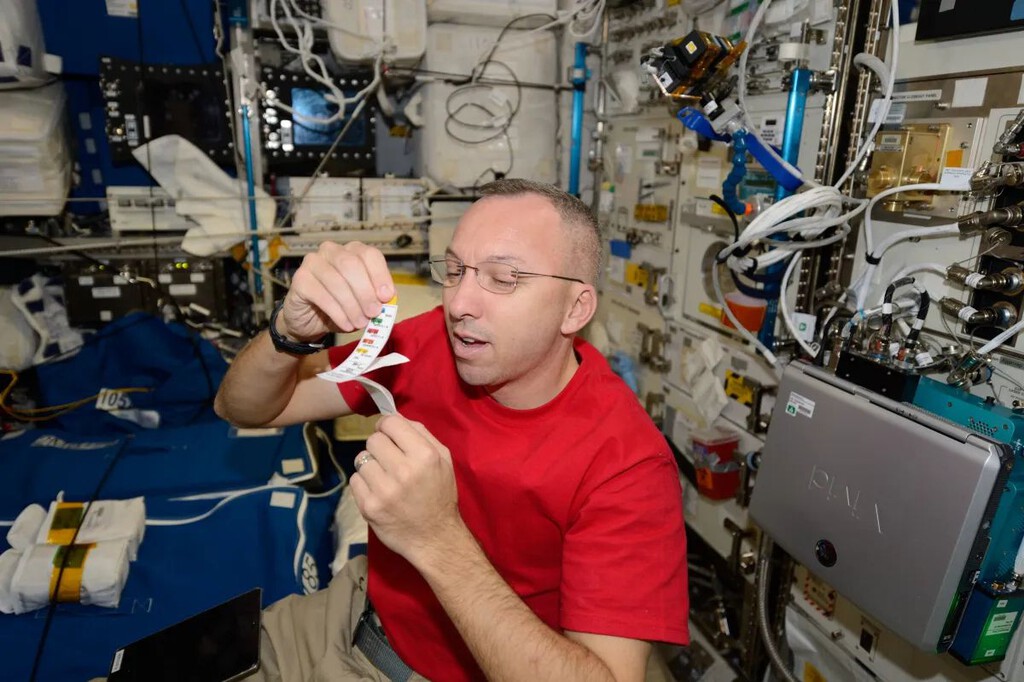
One of their key missions will be to study how the conditions of outer space affect human health. And they will test this on themselves. The crew will collect data on their own physiological and psychological responses before, during, and after the flight.
The Health Risks of Spaceflight
It is well known that stays in space, no matter how short, can affect human health. A recent example is the astronaut who lost the ability to speak on the International Space Station (ISS) for reasons still unknown. This incident highlights the unpredictable nature of spaceflight health risks.
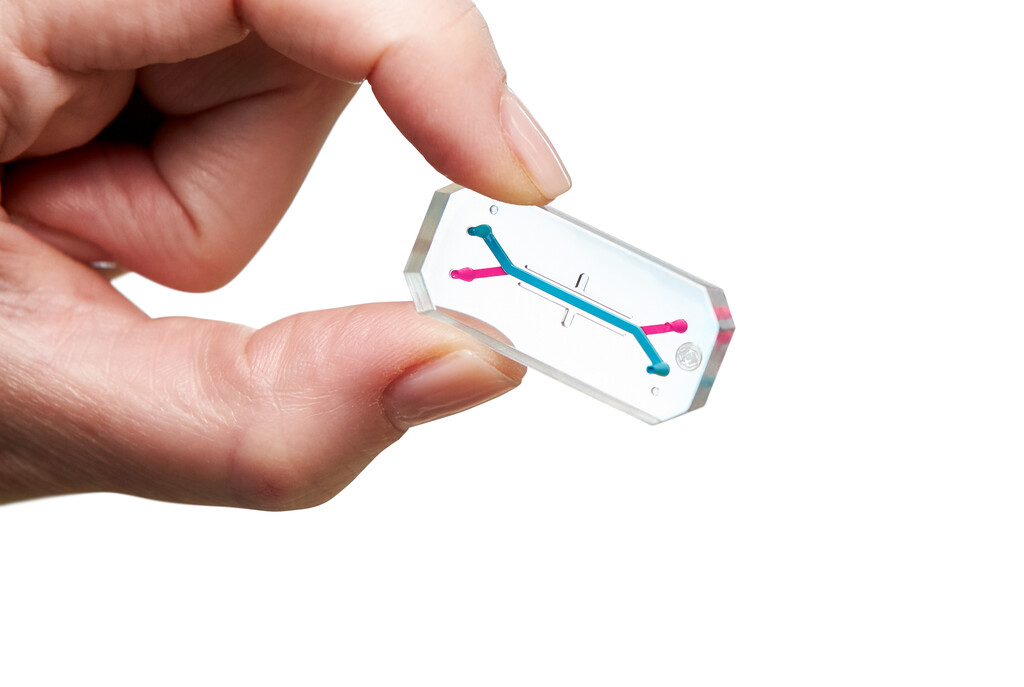
For this reason, much of the research conducted on the ISS focuses on analyzing how factors such as microgravity, isolation, and cosmic radiation affect human health. While interesting discoveries have been made, the reality is that conducting experiments in low Earth orbit, where the ISS is located, is not the same as doing so on the Moon.
Microgravity
Microgravity causes muscle atrophy, bone density loss, and fluid shifts in the body. Astronauts on the ISS exercise daily to mitigate these effects, but the Moon's gravity is only one-sixth of Earth's, presenting different challenges.
Isolation and Confinement
Long-duration missions require crews to live and work in close quarters with limited contact with the outside world. This can lead to psychological stress, sleep disturbances, and interpersonal conflicts. Artemis II will provide valuable data on how a small crew copes during a relatively short but intense mission.
Cosmic Radiation
Outside the protection of Earth's magnetic field, astronauts are exposed to higher levels of cosmic radiation. This can damage DNA and increase cancer risk. The Artemis II mission will help scientists better understand radiation exposure during lunar missions.
What the Artemis II Crew Will Do
Reid Wiseman, Victor Glover, Christina Koch, and Jeremy Hansen have several tasks during their 10-day journey. First, they must test the spacecraft's systems and its viability for the lunar landing that will take place on Artemis III. But health experiments are also a priority.
The crew will collect biological samples, monitor their vital signs, and complete surveys about their physical and mental well-being. They will also test new technologies designed to keep astronauts healthy on longer missions to the Moon and eventually Mars.
- Biological sampling: Blood, saliva, and urine samples will be collected to analyze changes in the body.
- Vital sign monitoring: Continuous tracking of heart rate, blood pressure, and sleep patterns.
- Cognitive and psychological assessments: Regular check-ins to evaluate mood and stress levels.
- Radiation dosimetry: Sensors worn by crew members to measure radiation exposure.
- Exercise and nutrition tracking: Logs of physical activity and food intake to study their effects on health.
How Artemis II Health Data Compares to Previous Missions
The table below summarizes key differences between ISS missions and Artemis II in terms of health research. The background to this story is set out in Christina Koch Wins Princess of Asturias Award After Artemis III Snub. A related thread runs through Artemis II Splashdown: Orion Returns Astronauts to Lunar History. Earlier coverage in Space Food Secret: Tacos and Hot Sauce on Artemis II shows how the argument developed.
| Factor | ISS Missions | Artemis II |
|---|---|---|
| Duration | Typically 6 months | 10 days |
| Location | Low Earth orbit (400 km) | Lunar vicinity (up to 400,000 km) |
| Radiation exposure | Partially shielded by Earth's magnetic field | Higher exposure outside Earth's protection |
| Gravity environment | Microgravity | Microgravity, plus lunar gravity during flyby |
| Health experiments | Extensive, long-term studies | Focused on short-term effects and countermeasures |
What This Means for Future Space Exploration
The health data gathered during Artemis II will be crucial for planning longer missions to the Moon and Mars. Understanding how the body adapts to the space environment outside low Earth orbit is essential for protecting astronaut health. A closer look at the same subject appears in AI Breakthroughs in Mathematics: The Future of Human Understanding. Anyone following the wider picture can start with NASA Artemis II Astronauts Make Video Calls from Deep Space. The same theme surfaces in Arts and Humanities Essential for Understanding Space Exploration, which takes a different angle.
The findings will also inform the development of countermeasures, such as improved exercise regimens, radiation shielding, and psychological support systems. Ultimately, this research will help ensure that astronauts can safely travel to and from the Moon and beyond. Context on how this played out before sits in Understanding Postpartum Psychosis: Key Facts and Support. A companion piece, Understanding the Luteal Uglies: Women's Hormone Awareness, approaches the same subject from another angle.
FAQ
What experiments will the Artemis II astronauts conduct on themselves?
The crew will collect biological samples, monitor vital signs, assess cognitive and psychological health, measure radiation exposure, and track exercise and nutrition. These experiments aim to understand how spaceflight affects the human body.
Why is it important to study health effects beyond low Earth orbit?
Conditions outside low Earth orbit, such as higher radiation levels and different gravity environments, pose unique health risks not fully replicated on the ISS. Studying these effects is essential for planning safe long-duration missions to the Moon and Mars.
How long will Artemis II last?
The Artemis II mission is planned to last about 10 days. During this time, the crew will travel around the Moon and return to Earth, conducting experiments throughout the journey.
Who are the Artemis II astronauts?
The crew consists of Reid Wiseman, Victor Glover, Christina Koch, and Jeremy Hansen. They will be the first astronauts to fly around the Moon since the Apollo era.
Browse the Shop
 Acacia frida deluxe solid wood bed frame |
Bedroom bench |
Bed chest drawers |
Lingerie dresser |
Frame base |
Mirror with jewelry storage |
30 Bathroom Vanity |
Memory foam queen mattress |
Mattresses for back pain |
Nightstand set of 2 |
Grand Goldman Shop |
Civil Lawyer
Deutschland Trikot WM 2026







