

SpaceX has launched more satellites than all of humanity combined, according to a recent revelation by former space industry executive Christian Keil. The company, founded by Elon Musk in 2002, has achieved in just over two decades what all other space agencies and companies together have accomplished in 70 years.
The Staggering Numbers Behind SpaceX's Satellite Dominance
As of June 12, the date of Keil's post on Twitter, SpaceX had launched a total of 15,262 satellites into space. In comparison, the sum of satellites launched by all public and private agencies since the beginning of the space race in 1957 is 15,138. This means that SpaceX alone has surpassed the cumulative total of every other entity in history.
Find Original Home Decor sparking conversation at Grand Goldman Shop.

The contrast is even more striking when you consider the time frame. SpaceX has been operating for only about two decades, while the rest of the world has been launching satellites for over 70 years. This unprecedented pace is a testament to the company's revolutionary approach to rocket technology and reusability.
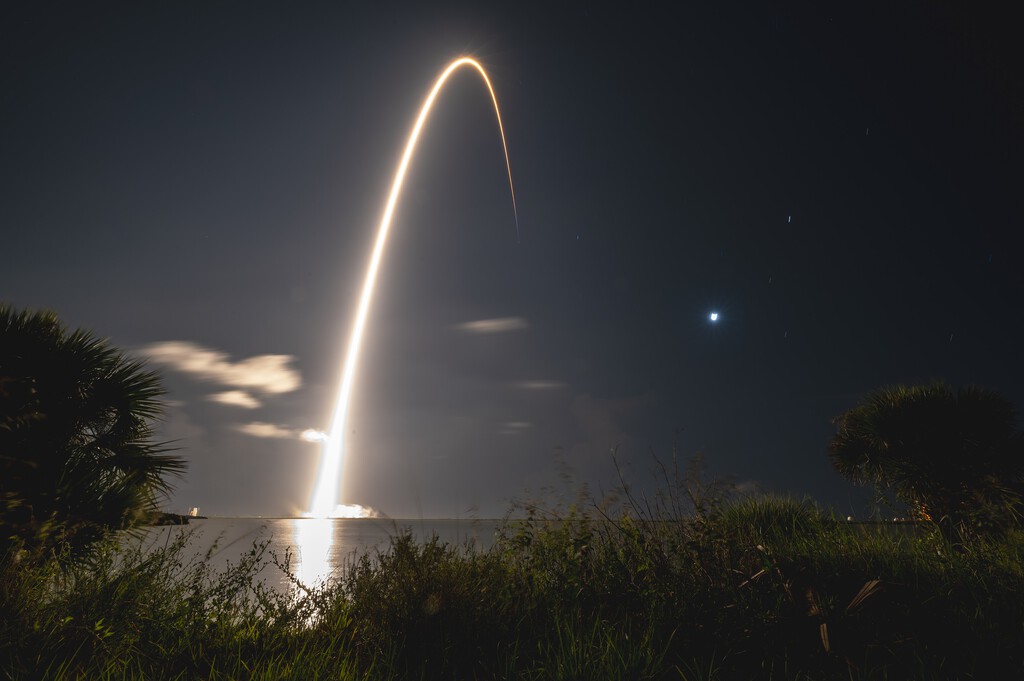
How SpaceX Achieved This Milestone
Much of SpaceX's success can be attributed to its advancements in rocket manufacturing and reuse. The company's first successful launch, Falcon 1, came in 2008 after three failed attempts. At that time, the company was on the brink of bankruptcy; a fourth failure could have spelled the end. But success finally came, and just two years later, SpaceX introduced its first major workhorse: the Falcon 9 rocket.
The Falcon 9 has since become the backbone of SpaceX's launch operations. According to Space.com, in 2025 alone, the Falcon 9 has launched 165 times, carrying mostly satellites. This high cadence is made possible by the rocket's reusable first stage, which can land and be refurbished for multiple flights, drastically reducing costs and turnaround time.
The Impact on the Space Industry
SpaceX's dominance in satellite launches has reshaped the entire space industry. By lowering the cost of access to space, the company has enabled a new era of commercial space activity, including mega-constellations like Starlink, which aims to provide global internet coverage. This has also intensified competition among launch providers, prompting other companies and nations to accelerate their own space programs.
Moreover, the sheer volume of satellites launched by SpaceX raises important questions about space debris and orbital congestion. With thousands of satellites in low Earth orbit, the need for responsible space traffic management has never been greater. The background to this story is set out in SpaceX Starship Reaches Orbit for the First Time Ever. A related thread runs through SpaceX Rocket Crashes into Moon: What It Means for Space Debris. Earlier coverage in Europe's IRIS2 Satellite Plan: 348 Satellites to Rival SpaceX shows how the argument developed.
What This Means for the Future
SpaceX shows no signs of slowing down. With plans for the Starship rocket, which is designed to be fully reusable and capable of carrying even more payload, the company is poised to further extend its lead. The satellite launch record is likely to keep growing, and SpaceX's influence on space exploration and commerce will only expand. A closer look at the same subject appears in SpaceX Launches First Commercial Nuclear Satellite Powered by Tritium. Anyone following the wider picture can start with UK Launches No III Space Effects Squadron to Defend Satellites. The same theme surfaces in SpaceX Rocket to Crash Into Moon: Why Astronomers Are Excited, which takes a different angle.
As the space industry continues to evolve, SpaceX's achievement serves as a benchmark for what can be accomplished with innovation, risk-taking, and a relentless drive to reduce costs. It also highlights the growing role of private companies in space, a trend that is set to define the next chapter of human presence beyond Earth. Context on how this played out before sits in SpaceX Gets Military Space Tracking Data: National Security Concerns. A companion piece, Rassvet: Russia's Starlink Rival Struggles With First 32 Satellites, approaches the same subject from another angle.
Key Takeaways
- SpaceX has launched 15,262 satellites, surpassing the combined total of all other entities (15,138).
- The company achieved this in just over 20 years, compared to 70 years for the rest of the world.
- Reusable rocket technology, particularly the Falcon 9, has been crucial to SpaceX's success.
- In 2025 alone, the Falcon 9 has launched 165 times, mostly carrying satellites.
- SpaceX's dominance is reshaping the space industry and raising questions about orbital debris.
SpaceX vs. The Rest: Satellite Launch Comparison
| Entity | Satellites Launched | Time Period |
|---|---|---|
| SpaceX | 15,262 | 2002–present (approx. 20 years) |
| All other entities combined | 15,138 | 1957–present (approx. 70 years) |
FAQ
How many satellites has SpaceX launched?
As of June 12, SpaceX has launched 15,262 satellites, according to Christian Keil. This number exceeds the combined total of all other satellites launched in history.
When did SpaceX launch its first successful rocket?
SpaceX's first successful launch was in 2008 with the Falcon 1 rocket, after three previous failures. This success saved the company from bankruptcy and paved the way for the Falcon 9.
What is the Falcon 9 rocket?
The Falcon 9 is SpaceX's primary launch vehicle, introduced in 2010. It is a reusable two-stage rocket that has become the workhorse for satellite launches, with 165 launches in 2025 alone.
Why is SpaceX's satellite launch record significant?
It demonstrates the impact of reusable rocket technology in drastically reducing costs and increasing launch frequency. It also highlights the growing role of private companies in space and raises concerns about orbital debris.
Browse the Shop
 Acacia frida deluxe solid wood bed frame |
Bedroom bench |
Bed chest drawers |
Lingerie dresser |
Frame base |
Mirror with jewelry storage |
30 Bathroom Vanity |
Memory foam queen mattress |
Mattresses for back pain |
Nightstand set of 2 |
Grand Goldman Shop |
Civil Lawyer
Deutschland Trikot WM 2026







