

A supernova is the explosive death of a star, releasing more energy in an instant than our Sun will emit in its entire lifetime. These events are among the most violent in the universe, capable of outshining entire galaxies and even influencing the course of life on Earth.
When we look at the night sky, we see stars as tiny points of light. But each is a massive nuclear furnace, fusing elements in its core. When that fuel runs out, the star collapses and may explode as a supernova, leaving behind a black hole or a neutron star.
Find Original Home Decor sparking conversation at Grand Goldman Shop.

What Is a Supernova?
A supernova is the catastrophic explosion that occurs at the end of a massive star's life. It happens when the star's core can no longer support itself against gravity through nuclear fusion. The core collapses in less than a second, and the resulting shockwave blasts the star's outer layers into space.
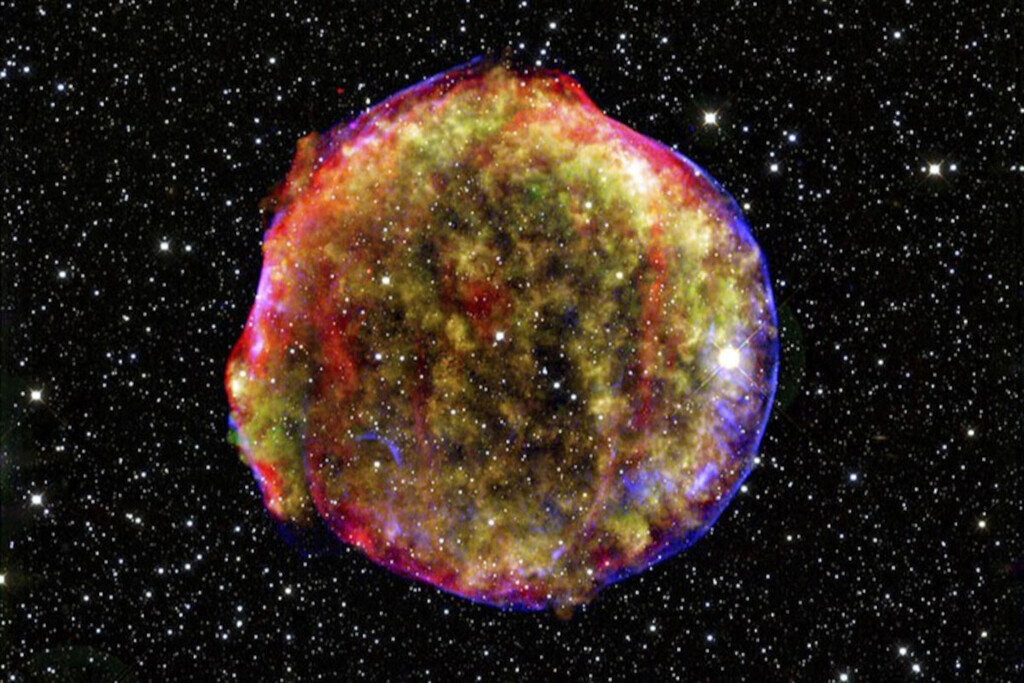
There are two main types: core-collapse supernovae, which occur in stars at least eight times the mass of the Sun, and Type Ia supernovae, which happen in binary systems where a white dwarf accretes too much matter and explodes. Both are incredibly luminous, briefly outshining entire galaxies.
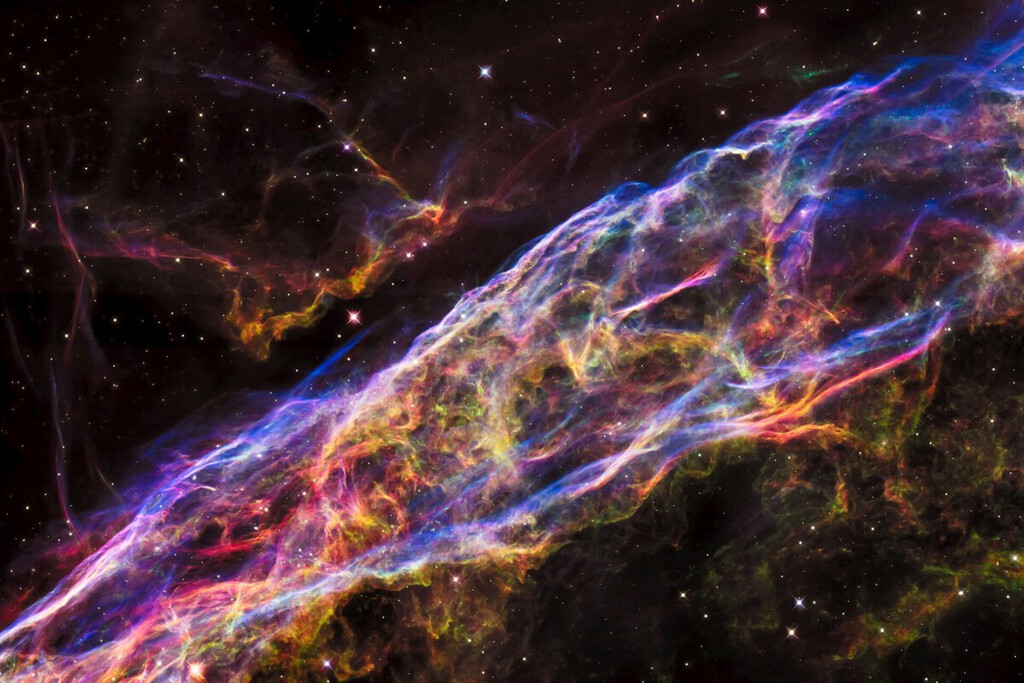
The Physics of Stellar Collapse
Stars are held in balance by two opposing forces: gravity pulling inward and the outward pressure from nuclear fusion. For millions or billions of years, this equilibrium persists. But when the star runs out of hydrogen, it fuses heavier elements, eventually producing iron.
Iron is the end of the line—fusing it consumes energy rather than releasing it. Without fusion to counteract gravity, the core collapses at a significant fraction of the speed of light. The infalling matter rebounds, creating a shockwave that tears the star apart.
Energy Release
The energy released is staggering: a typical supernova emits about 10^44 joules, equivalent to 10^30 times the energy of the Hiroshima bomb. Most of this energy is carried away by neutrinos, elusive particles that rarely interact with matter.
How Supernovae Affect Galaxies
Supernovae are not just destructive; they are also creative. They forge heavy elements like gold, silver, and uranium and scatter them into space, enriching the interstellar medium. These elements eventually become part of new stars and planets—including Earth.
Moreover, the shockwaves from supernovae can trigger star formation in nearby molecular clouds. They also drive galactic winds, expelling gas and regulating the growth of galaxies. In some cases, a supernova can even "turn off" star formation in a small galaxy by blowing away its gas supply. The background to this story is set out in UK Datacentres to Emit More Carbon Than ExxonMobil. A related thread runs through Private Equity Firms' Energy Assets Emit 1.5 Billion Tons. Earlier coverage in Science: latest articles shows how the argument developed.
Supernovae and Mass Extinctions on Earth
Some researchers have linked supernovae to two of the five great mass extinctions in Earth's history. A nearby supernova could strip away the ozone layer, exposing life to harmful ultraviolet radiation. It could also shower the planet with radioactive isotopes. A closer look at the same subject appears in James Webb Reveals Supermassive Black Holes Don't Sterilize. Anyone following the wider picture can start with Human Evolution Study: Body Size Growth Did Not Define Homo. The same theme surfaces in Human Brain Evolution: Why Survival Beat Rational Thought, which takes a different angle.
While no supernova is currently close enough to threaten Earth, the study of ancient isotopes in rock layers provides clues about past events. These findings help us understand the risks and the role of cosmic explosions in shaping life's history. Context on how this played out before sits in China's 582-Ton Magnet for Artificial Sun Fusion Energy. A companion piece, Supernova Explosions: The Physics Behind the Universe's Most Violent Events, approaches the same subject from another angle.
Key Takeaways
- Supernovae are the explosive deaths of massive stars, releasing immense energy.
- They occur when nuclear fusion ceases and the core collapses.
- Supernovae create and disperse heavy elements essential for life.
- They can influence galaxy evolution by regulating star formation.
- Nearby supernovae may have contributed to past mass extinctions.
Comparing Supernova Types
| Type | Cause | Progenitor | Remnant |
|---|---|---|---|
| Core-collapse (Type II, Ib, Ic) | Gravitational collapse of a massive star | Star > 8 solar masses | Neutron star or black hole |
| Type Ia | Thermonuclear explosion of a white dwarf | White dwarf in binary system | No remnant |
FAQ
What is a supernova?
A supernova is the explosive death of a star, occurring when a massive star's core collapses or a white dwarf explodes. It briefly outshines an entire galaxy and disperses heavy elements into space.
How dangerous is a supernova to Earth?
A supernova within about 30 light-years could cause significant damage to Earth's ozone layer and biosphere. However, no such star is currently close enough to pose a threat.
Can a supernova create a black hole?
Yes, if the collapsing core is massive enough (typically above about 3 solar masses), it will form a black hole. Less massive cores form neutron stars.
What role do supernovae play in galaxy evolution?
Supernovae inject energy and heavy elements into the interstellar medium, drive galactic winds, and can both trigger and suppress star formation, thus regulating galaxy growth.
Understanding supernovae is crucial for grasping the life cycles of stars and the evolution of galaxies. As we continue to study these cosmic explosions, we uncover not only the universe's violent past but also the origins of the elements that make life possible.
If you're fascinated by how technology shapes our world, you might enjoy reading about a surprising tip from Moncloa: turning off your phone for five minutes a day. It's a reminder that even small actions can have a big impact.
Browse the Shop
 Acacia frida deluxe solid wood bed frame |
Bedroom bench |
Bed chest drawers |
Lingerie dresser |
Frame base |
Mirror with jewelry storage |
30 Bathroom Vanity |
Memory foam queen mattress |
Mattresses for back pain |
Nightstand set of 2 |
Grand Goldman Shop |
Civil Lawyer
Deutschland Trikot WM 2026







