

In 2018, Ukrainian physicist Andrey Varlamov embarked on a scientific quest to uncover the secrets of perfect pizza, traveling to Rome to study the thermodynamics behind Italy's most beloved dish. His journey, which began with a puzzling encounter at a local pizzeria, reveals that the art of pizza-making is deeply rooted in physics.
Varlamov, a researcher at Italy's Consiglio Nazionale delle Ricerche (CNR), was initially baffled when a pizzaiolo friend refused to serve him pizza at certain hours. The friend insisted that pizza is only perfect when the pizzeria is half-empty, a claim that sparked Varlamov's curiosity and led him to collaborate with German materials scientist Andreas Glatz and Italian food anthropologist Sergio Grasso.
Find Original Home Decor sparking conversation at Grand Goldman Shop.

The Birth of a Scientific Investigation
The project, which eventually expanded to include pasta and coffee, started with that single pizza. Varlamov's friend, the pizzaiolo, explained that the quality of pizza varies depending on the time of day and the crowd size. This anecdotal observation prompted the trio to investigate the underlying causes, blending physics, materials science, and anthropology.
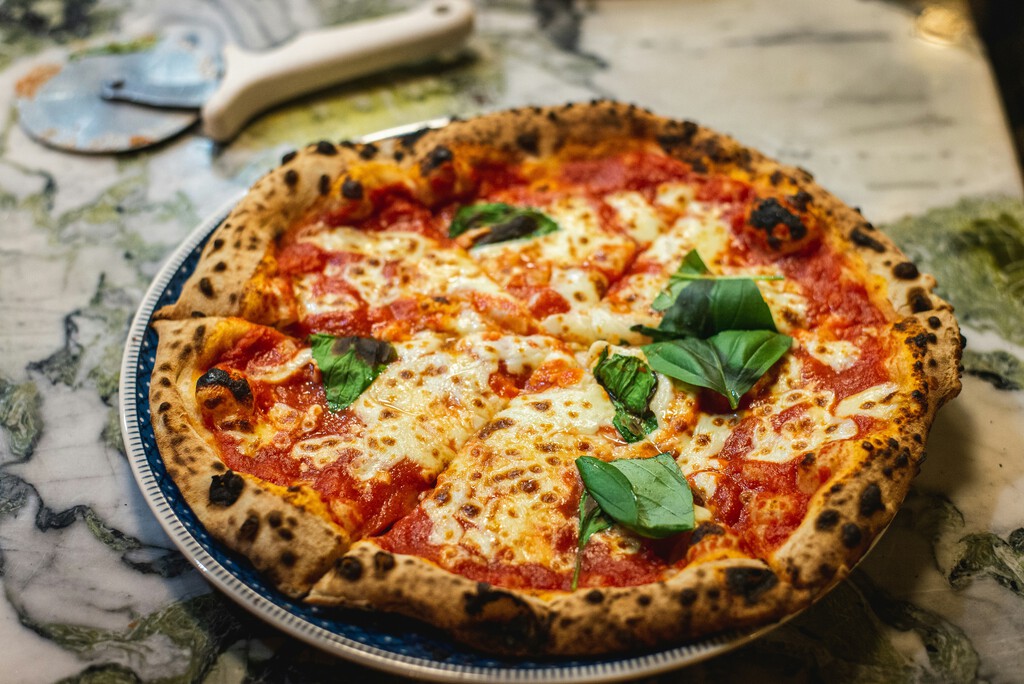
Their research aimed to decode the complex interactions between ingredients, temperature, and timing. By applying principles from thermodynamics and superconductivity, Varlamov and his team sought to explain why some pizzas achieve perfection while others fall short.
The Science Behind the Perfect Crust
At the heart of pizza perfection lies the crust, a delicate balance of flour, water, yeast, and heat. The team discovered that the dough's behavior during fermentation and baking is governed by rheology—the study of how matter deforms and flows. Gluten networks form during kneading, trapping gases that expand during baking, creating the characteristic airy texture.
Temperature plays a critical role. The researchers found that the ideal oven temperature for a Neapolitan-style pizza is around 485°C (905°F), which flash-cooks the crust while keeping the interior moist. This high heat triggers the Maillard reaction, responsible for the crust's golden-brown color and savory flavor.
Why Timing and Crowds Matter
The pizzaiolo's claim about half-empty pizzerias intrigued the scientists. They theorized that when a pizzeria is busy, the oven temperature fluctuates as more pizzas are baked, affecting consistency. Conversely, a moderately busy oven maintains a stable temperature, ensuring even cooking.
Additionally, the team noted that dough fermentation is time-sensitive. Dough prepared earlier in the day may over-ferment, leading to a less desirable texture. The pizzaiolo's rule of avoiding peak hours likely ensures that each pizza receives optimal conditions.
Key Takeaways from the Research
- Thermodynamics governs pizza quality: Oven temperature and heat distribution are crucial for the perfect crust.
- Dough rheology matters: Gluten development and fermentation time directly impact texture and flavor.
- Timing is everything: The pizzaiolo's advice about avoiding peak hours highlights the importance of consistent oven conditions.
- Interdisciplinary approach: Combining physics, materials science, and anthropology provides a holistic understanding of food science.
- Beyond pizza: The project extends to pasta and coffee, showcasing the broader applicability of scientific principles in cooking.
Comparing Pizza Styles: A Scientific Perspective
The team's research also compared different pizza styles, revealing how variations in ingredients and techniques affect the final product. The table below summarizes key characteristics of three popular styles. Context on how this played out before sits in The Physics of Perfect Pizza: A Scientist's Quest for the Ideal Slice.
| Style | Oven Temperature | Dough Hydration | Fermentation Time | Key Physics Factor |
|---|---|---|---|---|
| Neapolitan | 485°C (905°F) | 60-65% | 24-48 hours | Rapid heat transfer for puffy crust |
| Roman | 250-300°C (480-570°F) | 70-80% | 48-72 hours | High hydration for airy, crispy base |
| New York | 290-320°C (550-610°F) | 60-63% | 24-48 hours | Balanced gluten development for foldable slices |
These differences illustrate how scientific variables like temperature and hydration influence the final product, offering insights for both home cooks and professional pizzaioli. The background to this story is set out in Shark Scientist's Daily Routine: Biopsies, Aerial Drills & Pizza. A related thread runs through Chewer or Crusher? The Physics of Your Mouth Explains Food Preferences.
Implications for Food Science and Industry
Varlamov's work underscores the value of applying scientific methods to culinary traditions. By understanding the physics of pizza, chefs can optimize their techniques, and manufacturers can improve frozen or pre-made products. The research also highlights the importance of interdisciplinary collaboration in addressing complex questions. Earlier coverage in Science: latest articles shows how the argument developed. A closer look at the same subject appears in Erasmus Darwin's 1,000-Pound Bet on a Talking Machine.
Moreover, the project's extension to pasta and coffee suggests that similar principles can be applied to other foods, potentially revolutionizing food processing and preparation. As Varlamov noted, the goal is to uncover the hidden science that makes Italian cuisine so exceptional. Anyone following the wider picture can start with Proton Structure Revealed as Quantum Entangled System. The same theme surfaces in Science Still Can't Explain What Happens After Death, which takes a different angle.
FAQ
What inspired Andrey Varlamov to study pizza?
Varlamov was inspired by a pizzaiolo friend who refused to serve him pizza at certain times, claiming that pizza is only perfect when the pizzeria is half-empty. This anecdote prompted Varlamov to investigate the scientific reasons behind the phenomenon.
How does thermodynamics affect pizza quality?
Thermodynamics governs heat transfer during baking. The ideal oven temperature and heat distribution ensure proper crust development, Maillard reaction, and moisture retention. Fluctuations in temperature, often due to crowding, can negatively impact the final product.
What role does dough fermentation play in pizza perfection?
Fermentation time affects gluten development and gas production, which determine the crust's texture and flavor. Over-fermentation can lead to a dense or sour crust, while under-fermentation results in a lack of airiness. Optimal fermentation is crucial for achieving the perfect balance.
Can these scientific principles be applied to other foods?
Yes, the team's research extends to pasta and coffee, demonstrating that similar scientific principles can enhance our understanding of various culinary processes. This interdisciplinary approach can lead to improvements in food quality and preparation across the board.
Browse the Shop
 Acacia frida deluxe solid wood bed frame |
Bedroom bench |
Bed chest drawers |
Lingerie dresser |
Frame base |
Mirror with jewelry storage |
30 Bathroom Vanity |
Memory foam queen mattress |
Mattresses for back pain |
Nightstand set of 2 |
Grand Goldman Shop |
Civil Lawyer
Deutschland Trikot WM 2026







