

Lenovo has unveiled the Legion R9000P, a 16-inch gaming laptop that is the first device on the market to feature an OLED screen manufactured using inkjet printing OLED technology from TCL. This marks a significant step toward commercializing a production method that has been showcased at tech trade shows for several years. The shift matters because inkjet printing could lower manufacturing costs, making high-quality OLED panels more accessible to a broader range of laptops.
While Lenovo has not yet released the full specifications, the company has shared key details that highlight the display's capabilities. The Legion R9000P packs a 16-inch OLED panel with a 240 Hz refresh rate, aimed squarely at gamers who demand smooth visuals. Additionally, the screen covers more than 99% of the DCI-P3 color space and promises consistent color performance regardless of brightness level—a feature Lenovo links to professional design work as well as gaming.
Find Original Home Decor sparking conversation at Grand Goldman Shop.

What Is Inkjet-Printed OLED and Why Does It Matter?
Inkjet printing OLED is a manufacturing process that deposits organic light-emitting materials onto a substrate using a printer-like head, similar to how an inkjet printer works. Unlike traditional vapor deposition methods that waste material, this approach precisely places only the needed amount of material, reducing waste and potentially cutting production costs. TCL has been developing this technology for years, and its debut in a consumer laptop signals a new era for display manufacturing.
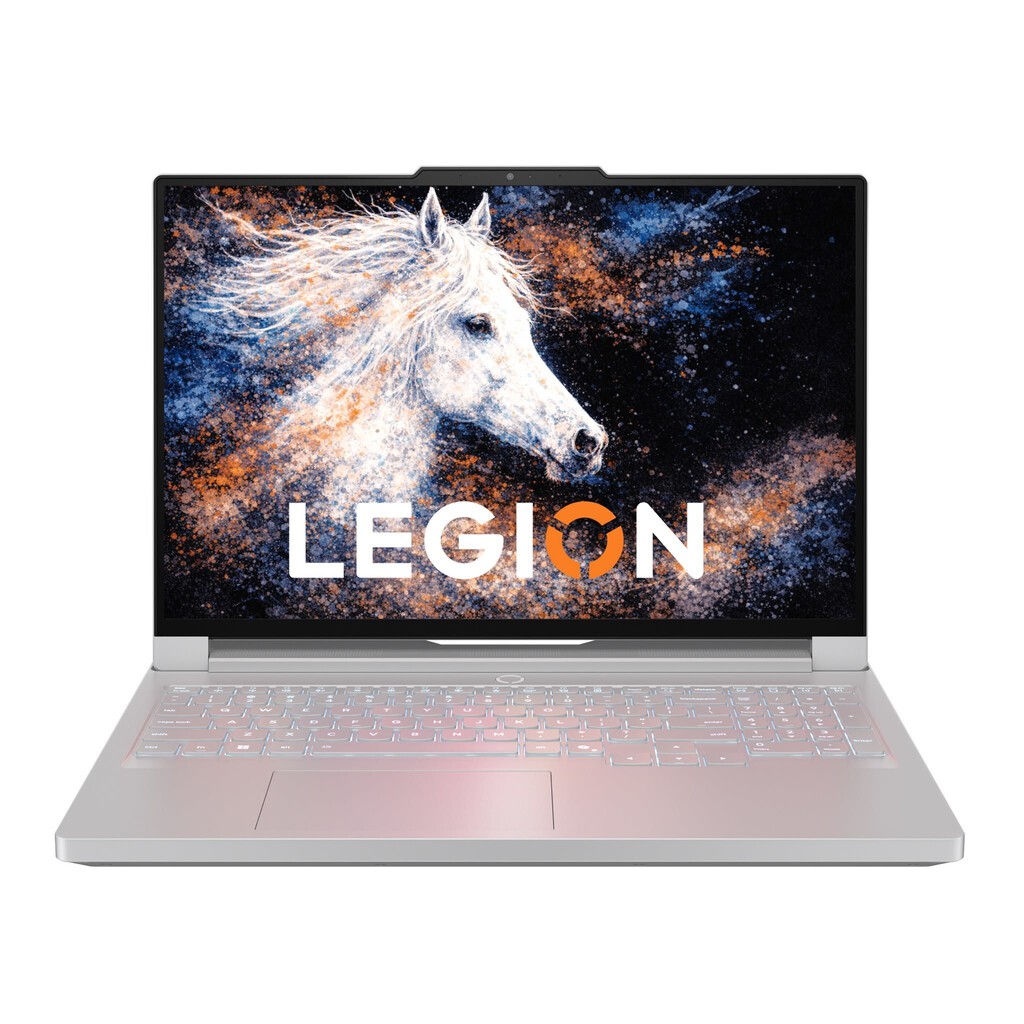
The cost savings could be substantial. Lower production costs might lead to more affordable OLED laptops, which have traditionally carried a premium price. For consumers, that means better displays without the hefty price tag. For the industry, it represents a shift toward more efficient and scalable manufacturing processes.
Key Features of the Legion R9000P Display
- 16-inch OLED panel with 240 Hz refresh rate for smooth gaming.
- 99% DCI-P3 coverage for vibrant, accurate colors.
- Real RGB Stripe subpixel layout that reduces text blur and color fringing common in traditional OLED panels.
- Stable color performance across brightness levels, suitable for professional design work.
- Inkjet printing manufacturing that may lower costs and increase availability.
Real RGB Stripe Layout: A Fix for OLED's Text Clarity Issue
One of the standout features of this panel is its Real RGB Stripe subpixel arrangement. Traditional OLED displays often use a triangular subpixel layout, which can cause text to appear blurry and create color fringing around edges. Lenovo claims that the Real RGB Stripe design corrects these issues, delivering sharper text and cleaner images. This is particularly important for users who spend hours reading or working with text, as well as for gamers who need crisp details.
The improvement in text clarity could make OLED laptops more appealing for productivity tasks, not just entertainment. It addresses a long-standing criticism of OLED screens in laptops, where fine text can look fuzzy compared to LCDs. By fixing this, Lenovo and TCL are broadening the appeal of OLED technology.
How the Legion R9000P Compares to Traditional OLED Laptops
To understand the significance of this launch, it helps to compare the Legion R9000P's display with conventional OLED panels found in other laptops. The table below outlines the key differences based on the information available. Context on how this played out before sits in Lenovo Legion R9000P Debuts First Inkjet-Printed OLED Laptop Screen.
| Feature | Lenovo Legion R9000P (Inkjet-Printed OLED) | Typical OLED Laptop |
|---|---|---|
| Manufacturing Process | Inkjet printing (TCL) | Vapor deposition |
| Subpixel Layout | Real RGB Stripe | Triangular (PenTile-like) |
| Refresh Rate | 240 Hz | Typically 60 Hz to 120 Hz |
| Color Gamut | >99% DCI-P3 | Varies, often 100% sRGB |
| Text Clarity | Improved with RGB Stripe | May show blur/fringing |
| Potential Cost | Lower due to inkjet printing | Higher |
As the table shows, the Legion R9000P offers several advantages, particularly in refresh rate and subpixel layout. However, it's worth noting that the panel's viewing angles are not yet fully detailed, and Lenovo has not disclosed all specifications. Still, the combination of high refresh rate, wide color gamut, and improved text clarity sets a new benchmark for gaming laptops. The background to this story is set out in Technology: latest articles. A related thread runs through First OLED MacBook: Why Screen Burn-In Is Overblown.
What This Means for the Future of Laptop Displays
The introduction of inkjet-printed OLED in a consumer laptop is a milestone that could reshape the display industry. If the technology proves reliable and cost-effective, other manufacturers may follow suit, leading to wider adoption of OLED screens in mid-range laptops. This could accelerate the decline of older LCD technology in premium devices. Earlier coverage in Apple's First Touchscreen MacBook Pro: OLED and Illuminated Logo Return shows how the argument developed. A closer look at the same subject appears in Lenovo IdeaPad Vibe Takes On Apple's MacBook Neo With Metal Chassis.
For gamers, the 240 Hz refresh rate and stable color performance are compelling. For creative professionals, the accurate colors and sharp text make the Legion R9000P a potential tool for design work. And for the industry, the collaboration between Lenovo and TCL demonstrates how innovation in manufacturing can bring advanced features to mainstream products. Anyone following the wider picture can start with Lenovo Legion 5 Gen 10 Flash Deal: RTX 5070 and 32GB RAM. The same theme surfaces in MediaMarkt Outlet: Lenovo Yoga Slim 7 Laptop Deal With OLED Display, which takes a different angle.
FAQ
What is inkjet-printed OLED?
Inkjet-printed OLED is a manufacturing method that uses a printer-like process to deposit organic light-emitting materials onto a substrate. It reduces waste and can lower production costs compared to traditional vapor deposition, potentially making OLED displays more affordable.
Why is the Real RGB Stripe subpixel layout important?
The Real RGB Stripe layout arranges red, green, and blue subpixels in vertical stripes, which improves text clarity and reduces color fringing. This addresses a common issue with OLED displays that use triangular subpixel arrangements, making the screen better for reading and detailed work.
Will inkjet-printed OLED make laptops cheaper?
Yes, the inkjet printing process is more efficient and reduces material waste, which can lower manufacturing costs. While Lenovo hasn't announced pricing for the Legion R9000P, the technology holds promise for more affordable OLED laptops in the future.
What are the viewing angles of the Legion R9000P's display?
Lenovo has not yet disclosed detailed viewing angle specifications for the Legion R9000P. The company has focused on other features like refresh rate and color gamut, so we'll have to wait for the full spec sheet to know more about viewing angles.
Browse the Shop
 Acacia frida deluxe solid wood bed frame |
Bedroom bench |
Bed chest drawers |
Lingerie dresser |
Frame base |
Mirror with jewelry storage |
30 Bathroom Vanity |
Memory foam queen mattress |
Mattresses for back pain |
Nightstand set of 2 |
Grand Goldman Shop |
Civil Lawyer
Deutschland Trikot WM 2026







