

Netflix and other streaming platforms have successfully convinced viewers to accept ads, a feat that once seemed impossible. The ad-supported streaming model has become the new normal, with commercials now interrupting episodes on Amazon Prime, Netflix, and Disney+.
This shift marks a significant departure from the original promise of subscription-based streaming: an ad-free experience. But as growth stagnated and investor pressure mounted, platforms pivoted to advertising as a new revenue stream.
Find Original, High-end Home Decor that spark conversation at Grand Goldman Shop.
The End of the Ad-Free Era in Streaming
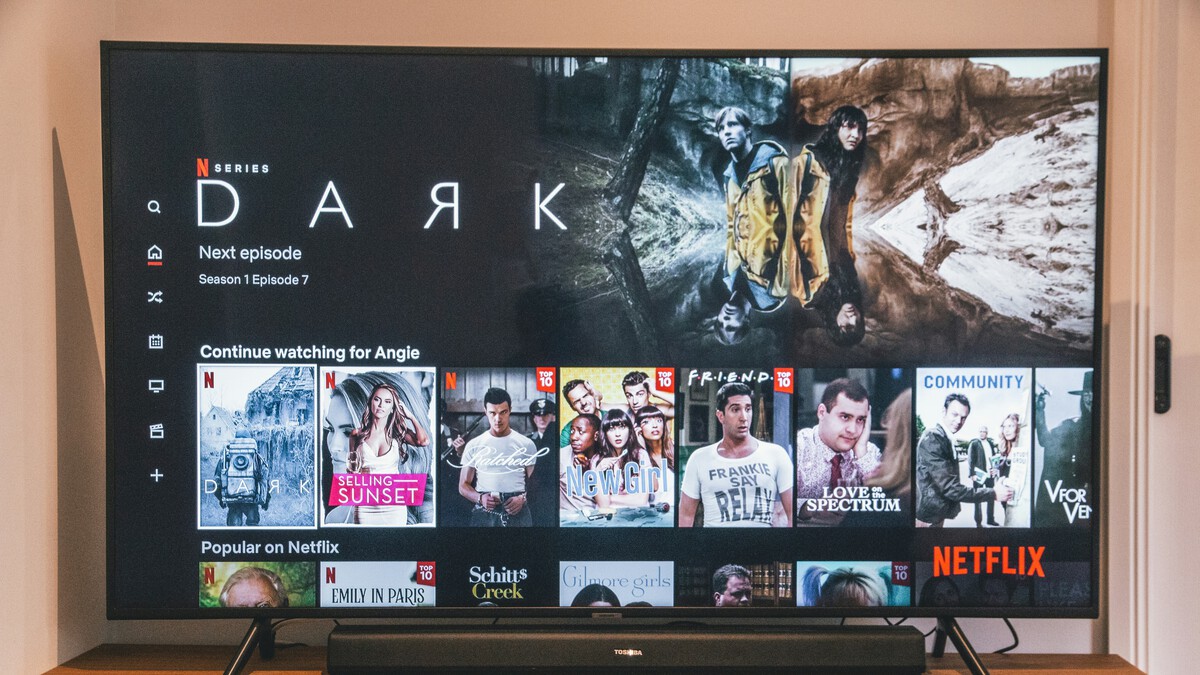
For years, streaming services touted ad-free viewing as a key differentiator from traditional TV. Netflix, in particular, built its brand on the promise of uninterrupted content. However, after the pandemic, subscriber growth began to plateau, and Netflix even lost subscribers in 2022.
This stagnation triggered panic in Hollywood and on Wall Street. Investors shifted their focus from subscriber counts to profitability, forcing platforms to find new ways to monetize their user bases.
Why Streaming Platforms Embraced Advertising
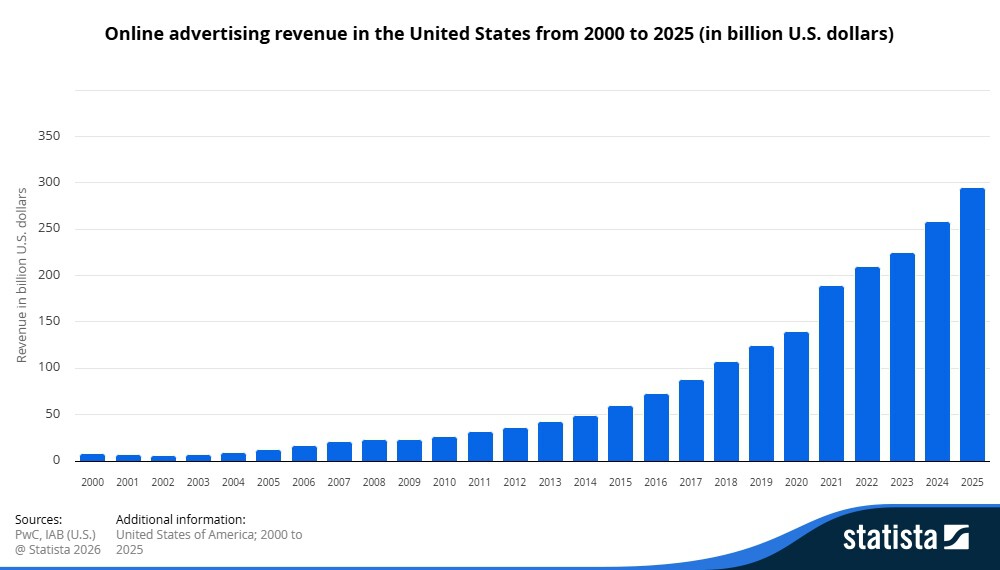
The advertising business on the internet is massive, projected to reach $1.34 trillion by 2026, according to WARC Media. Streaming VOD platforms are expected to see a 15.1% increase in ad revenue, reaching $48.4 billion.
This growth is driven by the need to diversify revenue streams and tap into the lucrative advertising market. By offering cheaper ad-supported tiers, platforms can attract price-sensitive customers while still generating revenue from advertisers.
How Netflix and Others Made Ads Acceptable
Elena Neira, a professor at the Universitat Oberta de Catalunya and author of 'Streaming Wars: The New Television,' explains that the shift was gradual. Platforms introduced ad-supported tiers as a budget-friendly option, allowing users to choose between paying more for ad-free viewing or paying less and tolerating commercials.
This strategy worked because it gave consumers a sense of control. Many opted for the cheaper tier, especially as economic pressures squeezed household budgets. The ads themselves were often less intrusive than traditional TV commercials, with shorter breaks and targeted content.
The Impact on Viewers and the Industry
The acceptance of ads in streaming has profound implications. For viewers, it means adjusting to a hybrid model where ads are part of the experience. For the industry, it signals a new era of competition, where ad revenue becomes as important as subscription income.
As streaming platforms continue to refine their ad models, we can expect more personalized and interactive ads. The line between traditional TV and streaming will blur further, with both relying heavily on advertising.
- Streaming platforms turned to ads to boost revenue as subscriber growth slowed.
- Ad-supported tiers offer a cheaper alternative for price-sensitive viewers.
- Global ad spending is projected to reach $1.34 trillion by 2026, with streaming ad revenue growing 15.1%.
- Consumer acceptance of ads was driven by economic factors and perceived control over subscription choices.
- The shift marks a new era where ad revenue is critical for streaming services.
Streaming Advertising vs. Traditional TV Advertising
| Aspect | Streaming Ads | Traditional TV Ads |
|---|---|---|
| Ad Load | Lighter (4-5 minutes per hour) | Heavier (12-16 minutes per hour) |
| Targeting | Highly targeted based on user data | Broad demographic targeting |
| Flexibility | Can be skipped or fast-forwarded (on some platforms) | Cannot be skipped |
| Cost | Lower entry cost for ad-supported tiers | Free (ad-supported) |
What to Watch Next in the Streaming Ad Wars
As streaming platforms double down on advertising, several trends are worth watching. First, the battle for ad dollars will intensify, leading to more innovative ad formats and partnerships. Second, regulatory scrutiny may increase as ads become more personalized and data-driven.
Third, the success of ad-supported tiers will determine the pricing strategies of streaming services. If consumers continue to embrace cheaper ad-supported options, platforms may further segment their offerings. Context on how this played out before sits in Netflix and Streaming Ads: How We Accepted Commercials.
Finally, the global landscape will vary. In Western Europe, for instance, streaming price hikes have been the highest worldwide, which could accelerate the adoption of ad-supported plans as viewers seek cost savings. This trend is already evident in markets like the UK, where viewers are increasingly choosing streaming over traditional broadcast, partly due to flexible pricing options. The background to this story is set out in Adelaide Airport Pulls Conservation Ads, Keeps Gas Ads. A related thread runs through Adelaide Airport Pulls Conservation Ads While Keeping Gas Ads.
Meanwhile, platforms are also restructuring their operations to focus on profitability. Netflix, for example, has cut nearly 1,000 jobs as part of its cost-cutting measures, underscoring the pressure to streamline and innovate. Earlier coverage in UK Political Ads Need Regulation to Stop Disinformation shows how the argument developed. A closer look at the same subject appears in AI Political Ads Flood Social Media Ahead of Victoria Election.
As the streaming wars evolve, the role of advertising will only grow. For viewers, the key is to stay informed about the trade-offs between cost and convenience. For the industry, the challenge is to balance ad revenue with user experience, ensuring that ads enhance rather than detract from the viewing experience. Anyone following the wider picture can start with Adelaide Airport Pulls Conservation Ads During ALP Conference. The same theme surfaces in Technology: latest articles, which takes a different angle.
FAQ
Why did Netflix introduce ads?
Netflix introduced ads to diversify revenue streams after subscriber growth stagnated. The ad-supported tier offers a cheaper option, attracting price-sensitive customers while generating additional income from advertisers.
Are ads on streaming platforms skippable?
It varies by platform. Some allow skipping or fast-forwarding, while others do not. Generally, streaming ads are shorter and less frequent than traditional TV commercials.
How much ad revenue do streaming platforms generate?
Streaming VOD platforms are projected to generate $48.4 billion in ad revenue, a 15.1% increase, according to WARC Media. This reflects the growing importance of advertising in the streaming business model.
Will ad-supported tiers become the norm?
They are already becoming a standard offering. As price sensitivity increases, more viewers are opting for ad-supported plans, prompting platforms to expand these options.
Browse the Shop
 Acacia frida deluxe solid wood bed frame |
Bedroom bench |
Bed chest drawers |
Lingerie dresser |
Frame base |
Mirror with jewelry storage |
30 Bathroom Vanity |
Memory foam queen mattress |
Mattresses for back pain |
Nightstand set of 2 |
Grand Goldman Shop |
Civil Lawyer
Deutschland Trikot WM 2026







