

Siri AI is official, but European users will have to wait as the Digital Markets Act (DMA) once again stands between Apple and the EU. At WWDC 2026, Apple unveiled its most ambitious assistant yet, capable of fluid conversations, searching emails and photos, acting within third-party apps, and understanding on-screen content. However, iPhone and iPad users in Europe will miss out on this major update for now, as the European Commission and Apple remain locked in months-long disagreements without a deal.
What Europe Is Missing with Siri AI
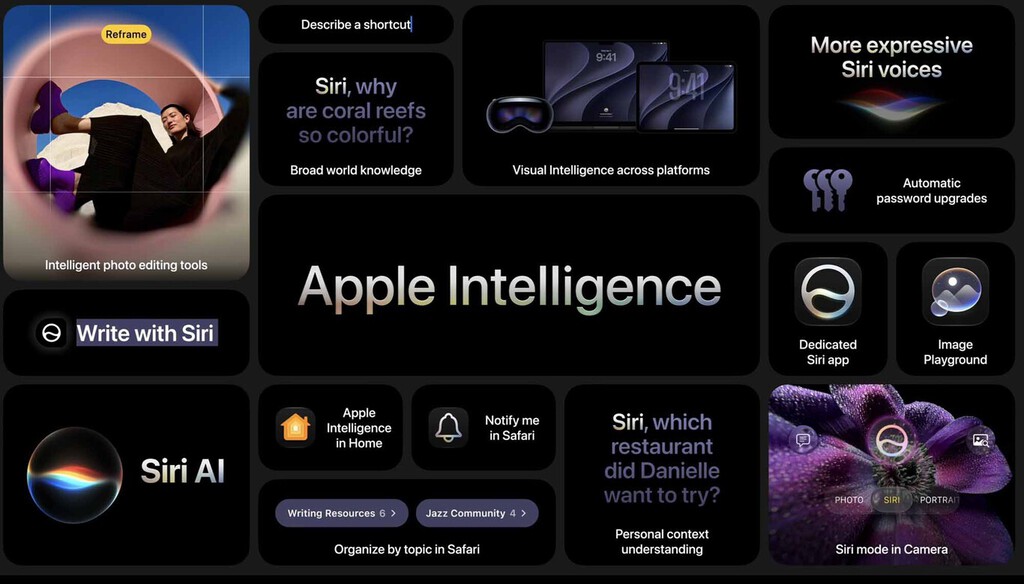
Apple has turbocharged Siri with a host of AI capabilities. During the keynote, the company demonstrated how the assistant can now scan old messages, emails, or photos to answer specific user questions, draft emails from scratch, understand on-screen content, and fetch up-to-date information from the web. It also introduces a dedicated app to browse through past conversations with the assistant, synced across all user devices.
Find Original Home Decor sparking conversation at Grand Goldman Shop.

On iPhone, Siri AI integrates directly into the camera, among other features. On Mac and iPad, Visual Intelligence finally arrives, allowing users to ask Siri about anything on the screen. These advancements represent a significant leap that many have anticipated for years.
Why the DMA Is Blocking Siri AI in Europe
The Digital Markets Act aims to ensure fair competition in digital markets, imposing strict rules on gatekeepers like Apple. The DMA requires these companies to allow interoperability and not favor their own services. Apple's Siri AI, with its deep integration and access to user data, raises concerns under these rules.
The European Commission and Apple have been at odds over how to comply with the DMA without compromising user privacy and security. Apple argues that opening up Siri AI could expose sensitive information, while the Commission insists on measures to prevent anti-competitive behavior. As a result, the feature is delayed in the EU.
Impact on Users and the Tech Industry
European users will miss out on the enhanced productivity and convenience that Siri AI promises. The assistant's ability to draft emails, retrieve information from personal data, and understand context could significantly change how people interact with their devices. For now, they must wait.
The standoff also affects the broader tech industry, setting a precedent for how AI features are regulated under the DMA. Other companies may face similar hurdles, potentially slowing AI innovation in Europe. The outcome of this dispute could shape the future of AI integration in digital assistants across the continent. The background to this story is set out in Apple vs EU: Siri AI Delay Sparks Clash Over Digital Markets Act. A related thread runs through iOS 27 Launches Today, but EU Users Miss Out on Siri AI. Earlier coverage in Siri AI: Apple's Slow But Ambitious Personal AI Assistant shows how the argument developed.
What to Watch Next in the Apple-EU Standoff
Negotiations between Apple and the European Commission are ongoing, but no resolution appears imminent. Apple may need to modify Siri AI's functionality in the EU to comply with the DMA, which could delay its release further. Alternatively, the Commission might grant conditional approval if Apple implements safeguards. A closer look at the same subject appears in David Jones Supplier Payments: Small Brands Left Waiting Months. Anyone following the wider picture can start with Siri's New AI Matches Gemini's Hands-Free iPhone Control. The same theme surfaces in Folding iPhone Unveiled: Apple's New CEO Takes Center Stage, which takes a different angle.
Users should watch for announcements from both parties, as any breakthrough could bring Siri AI to Europe sooner. Meanwhile, Apple's global rollout will proceed, showcasing the feature's capabilities to the rest of the world. Context on how this played out before sits in Conservative Conference: A Party Still Searching for Purpose. A companion piece, Karen Who Left Because She Had To Wait For Her Sandwich To Be Cooked Got Roasted By The Restaurant On Facebook, approaches the same subject from another angle.
Key Takeaways
- Siri AI debuts at WWDC 2026 with advanced conversational and contextual abilities.
- EU users won't get the update initially due to DMA compliance issues.
- The DMA aims to promote fair competition but poses challenges for integrated AI features.
- Apple and the European Commission continue negotiations without a clear timeline.
- The outcome will influence how AI assistants are regulated in Europe.
Comparison of Siri AI Features by Region
| Feature | Available in US (and other regions) | Available in EU |
|---|---|---|
| Conversational Siri | Yes | No (delayed) |
| Search emails/photos | Yes | No |
| Act within third-party apps | Yes | No |
| Visual Intelligence on Mac/iPad | Yes | No |
| Siri app for conversation history | Yes | No |
FAQ
What is Siri AI?
Siri AI is Apple's enhanced assistant introduced at WWDC 2026, featuring advanced conversational abilities, personal data search, third-party app integration, and on-screen understanding.
Why is Siri AI not available in Europe?
The Digital Markets Act (DMA) imposes strict regulations on gatekeepers like Apple, and ongoing disagreements with the European Commission over compliance have delayed the feature's release in the EU.
When will Siri AI be available in Europe?
There is no set timeline. It depends on negotiations between Apple and the European Commission, which are ongoing without a resolution yet.
How does the DMA affect other tech companies?
The DMA sets a precedent for AI regulation, potentially requiring other companies to adjust their features to comply, which could slow AI innovation in Europe.
Browse the Shop
 Acacia frida deluxe solid wood bed frame |
Bedroom bench |
Bed chest drawers |
Lingerie dresser |
Frame base |
Mirror with jewelry storage |
30 Bathroom Vanity |
Memory foam queen mattress |
Mattresses for back pain |
Nightstand set of 2 |
Grand Goldman Shop |
Civil Lawyer
Deutschland Trikot WM 2026







