

Ancient humans were making beds and changing them as early as 200,000 years ago, according to new research from Border Cave in southern Africa. The findings, published in a recent study, reveal that our prehistoric ancestors didn't just sleep on bare cave floors—they actively constructed and maintained sleeping surfaces, offering a rare glimpse into the daily lives and hygiene practices of early Homo sapiens.
The research, conducted by an international team of archaeologists, analyzed microscopic plant remains from Border Cave, a site located on the border between South Africa and Eswatini. The cave has been excavated for decades and is renowned for its exceptionally well-preserved record of human occupation spanning from the Stone Age to the Iron Age.
Find Original Home Decor sparking conversation at Grand Goldman Shop.

What the Border Cave Beds Reveal About Ancient Humans
Border Cave has long been a treasure trove for archaeologists studying early human behavior. The site, nestled in the Lebombo Mountains, has yielded evidence of some of the earliest symbolic behavior, including shell beads and ochre use. But the latest discovery focuses on something far more mundane yet equally telling: the remnants of bedding.
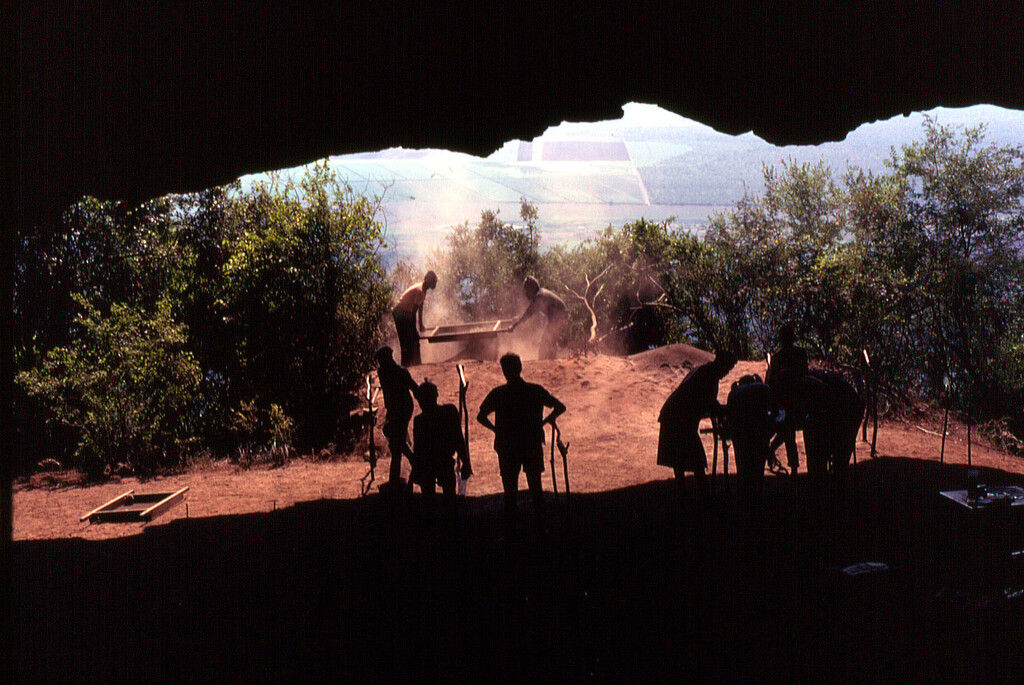
By examining the microscopic structure of plant material found in the cave's sediments, researchers identified layers of grass and other vegetation that were deliberately arranged to form sleeping surfaces. More importantly, these layers were periodically burned and replaced, suggesting that ancient humans understood the benefits of a clean bed—whether for comfort, pest control, or hygiene.
This behavior, known as "bed maintenance," indicates a level of planning and environmental awareness that challenges previous assumptions about the sophistication of early hunter-gatherers. It also provides a window into the social and domestic lives of these ancient people, who likely returned to the same cave repeatedly over thousands of years.
Why Bedding Matters in Human Evolution
Sleep is a fundamental biological need, but how we sleep is deeply cultural. The Border Cave evidence suggests that even 200,000 years ago, humans were modifying their environment to improve their rest. This might seem like a small step, but it has big implications for our understanding of human cognition and social organization.
Creating a comfortable sleeping surface requires foresight and cooperation. It means gathering materials, perhaps from some distance, and then arranging them in a specific way. Regularly changing the bedding implies a recognition of the link between cleanliness and health—a concept that would become central to human civilization.
Moreover, the use of fire to burn old bedding could have served multiple purposes: disposing of waste, deterring insects, and perhaps even signaling group identity or territory. These are the kinds of behaviors that archaeologists look for when trying to reconstruct the mental and social lives of our ancestors.
How Ancient Beds Compare to Later Practices
The Border Cave beds are not the oldest evidence of bedding—that title goes to a 200,000-year-old site in South Africa called Wonderwerk Cave—but they are among the most detailed. What sets Border Cave apart is the clear evidence of repeated maintenance over time.
To appreciate the significance of this discovery, it helps to compare it with later practices. The following table summarizes key developments in bedding and sleep-related behaviors across different periods:
| Period | Location | Bedding Practice | Significance |
|---|---|---|---|
| ~200,000 years ago | Border Cave, South Africa/Eswatini | Layered grass beds, periodically burned and replaced | Earliest evidence of bed maintenance and hygiene |
| ~77,000 years ago | Sibudu Cave, South Africa | Plant bedding with insect-repellent leaves | Sophisticated use of natural resources for comfort |
| ~5,000 years ago | Ancient Egypt | Wooden bed frames, including folding cots | Development of furniture and social status |
| Medieval Europe | Various | Box beds, sleeping in cupboards | Space-saving and warmth in cold climates |
This timeline shows that the basic human need for a clean, comfortable place to sleep has driven innovation for hundreds of thousands of years. From simple grass beds to ornate wooden frames, the evolution of bedding mirrors broader technological and social changes.
What This Means for Understanding Early Human Cognition
The Border Cave findings add to a growing body of evidence that early Homo sapiens were far more behaviorally sophisticated than once thought. They weren't just surviving; they were actively shaping their environment to improve their quality of life.
This aligns with other discoveries from the same period, such as the use of pigments for body decoration and the creation of complex tools. Together, these findings paint a picture of ancient humans who were capable of abstract thought, planning, and perhaps even a sense of aesthetics. The background to this story is set out in Daylight Saving Time and Mental Health: New Study Findings. A related thread runs through Neanderthal Spear Death May Be Earliest Human Ancestor Find. Earlier coverage in Trending: latest articles shows how the argument developed.
The regular maintenance of bedding also hints at social routines. If a group returned to the same cave seasonally, they might have had designated sleeping areas, reinforcing social bonds and group identity. Such practices are the foundation of what we now call culture. A closer look at the same subject appears in Homo naledi Mystery Grows: All Skeletons Found Were Female. Anyone following the wider picture can start with Ancient Social Networks: How Hunter-Gatherers Survived the Ice Age. The same theme surfaces in Pine Twig Torches Lit the Way for 14,400-Year-Old Cave Explorers, which takes a different angle.
Key Takeaways from the Border Cave Discovery
- Ancient humans at Border Cave constructed beds from grass and other plants around 200,000 years ago.
- These beds were periodically burned and replaced, indicating early hygiene practices.
- The behavior suggests foresight, cooperation, and environmental awareness.
- Bed maintenance may have served multiple purposes, including pest control and waste disposal.
- The findings challenge assumptions about the simplicity of early human life.
As research continues at Border Cave and other prehistoric sites, we can expect more insights into the daily lives of our ancestors. Each discovery brings us closer to understanding not just how they survived, but how they lived. Context on how this played out before sits in Neanderthal Spear Wound Reveals Prehistoric Compassion and Care. A companion piece, Ancient Humans Made Beds and Changed Them 200,000 Years Ago, approaches the same subject from another angle.
FAQ
How did ancient humans make their beds?
Ancient humans at Border Cave made beds by layering grass and other plant materials on the cave floor. They would periodically burn the old bedding and replace it with fresh materials, demonstrating a deliberate approach to maintaining a clean sleeping area.
Why did ancient humans change their bedding?
Changing bedding likely served multiple purposes: it improved comfort, reduced pests like insects, and promoted hygiene. Burning the old bedding may also have helped dispose of waste and keep the living area clean.
What is the significance of the Border Cave discovery?
The Border Cave discovery shows that early humans were capable of planning and modifying their environment to improve their daily lives. It provides evidence of early hygiene practices and social routines, challenging the view that prehistoric life was purely about survival.
How old are the oldest known beds?
The oldest known beds date back about 200,000 years and have been found at sites like Border Cave and Wonderwerk Cave in southern Africa. These early beds consisted of plant materials arranged on the ground.
For those fascinated by the ways ancient humans adapted to their environments, the story of Border Cave is just one example of prehistoric ingenuity. Similar resourcefulness can be seen in other contexts, such as the Cueva del Viento: Tenerife's 27,000-Year-Old Lava Tube With 190 Species, where early inhabitants also made use of natural shelters. Such discoveries remind us that our ancestors were constantly innovating, whether in the depths of a cave or on the slopes of a volcano.
Browse the Shop
 Acacia frida deluxe solid wood bed frame |
Bedroom bench |
Bed chest drawers |
Lingerie dresser |
Frame base |
Mirror with jewelry storage |
30 Bathroom Vanity |
Memory foam queen mattress |
Mattresses for back pain |
Nightstand set of 2 |
Grand Goldman Shop |
Civil Lawyer
Deutschland Trikot WM 2026







