

The Argentina 6-0 Peru match at the 1978 World Cup remains one of football's most controversial results, a game played under the shadow of a brutal military dictatorship. Argentina needed a four-goal win to reach the final, and they got six against a Peru side that many believe was pressured to lose. The match, held in Rosario, has been called the biggest fix in World Cup history.
But the story goes far beyond the scoreline. It is a tale of politics, fear, and a regime that used football as propaganda while thousands of citizens were being disappeared. Decades later, the questions linger: Was the match truly fixed? And what does it say about the intersection of sport and power?
Find Original Home Decor sparking conversation at Grand Goldman Shop.

The Road to 1978: A World Cup in the Shadow of Terror
Argentina had pursued hosting the World Cup for years. In 1966, FIFA awarded them the 1978 tournament, giving the country 12 years to prepare. But in March 1976, a coup led by Jorge Rafael Videla overthrew the democratic government and installed a military junta. The regime's repression was immediate and brutal: opponents were kidnapped, tortured, and killed, becoming the infamous 'desaparecidos' (the disappeared).
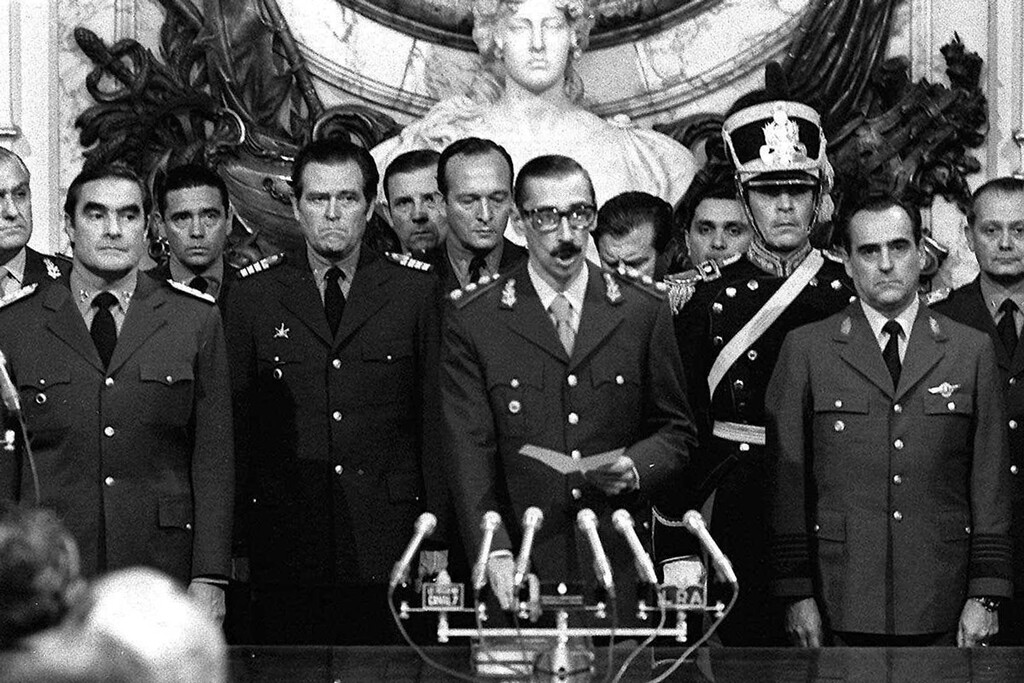
Despite international outcry, the World Cup went ahead. Videla's government saw the tournament as a golden opportunity to project a positive image to the world, to show a modern, orderly Argentina while hiding the horrors of state terrorism. The stadiums were built, the propaganda machine rolled, and the team, coached by César Luis Menotti, was expected to deliver glory.
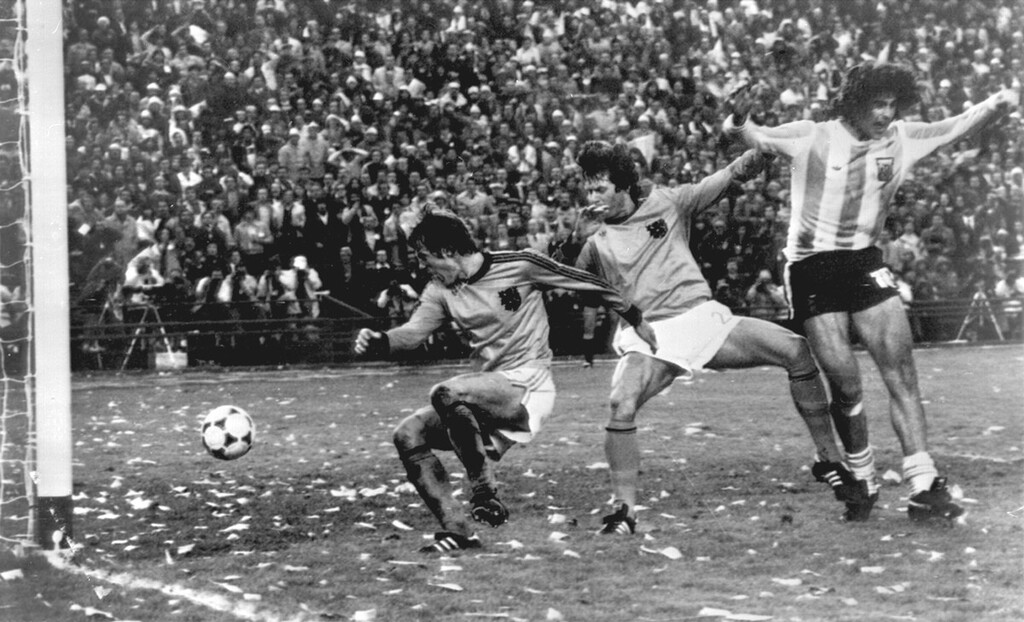
Argentina 6-0 Peru: The Match That Changed Everything
The 1978 World Cup format had a second group stage, with the winners advancing to the final. Argentina was placed in a group with Brazil and Peru. Going into the final match against Peru, Argentina needed to win by at least four goals to overtake Brazil on goal difference and reach the final. Anything less would send Brazil to the final.
What followed was astonishing. Argentina scored six without reply, with striker Mario Kempes netting twice. Peru, a team that had shown resilience earlier in the tournament, looked listless and disorganized. The Argentine crowd roared, but outside the stadium, whispers of a fix grew louder. The Peruvian goalkeeper, Ramón Quiroga, was born in Argentina, adding to the suspicion. Years later, allegations emerged that the Argentine military had pressured Peruvian officials, possibly through bribes or threats, to ensure the desired result.
The 6-0 scoreline remains the largest margin of victory in a World Cup match where the winning team needed a specific goal difference to advance. It was a perfect storm of football and politics.
The Evidence and the Denials
No smoking gun has ever been found, but the circumstantial evidence is compelling. Peru's performance was uncharacteristically poor, and several players later hinted at irregularities. In 2012, Peruvian congressman and former footballer Luis Bedoya Reyes claimed that the match was fixed and that the Peruvian team was told not to win. Others have pointed to the presence of Argentine military personnel in the Peruvian dressing room before the game.
Menotti, the Argentine coach, always denied any knowledge of a fix. He admitted that he knew about the political situation but claimed he was focused solely on football. 'I knew what was happening with those in power, but I never imagined that cruelty with the disappeared,' he said years later. For many, however, his denial rings hollow given the regime's pervasive control.
FIFA has never officially investigated the match, and the result stands. But the court of public opinion has long since rendered its verdict: the match stinks.
Key Takeaways from the Argentina 6-0 Peru Scandal
- Political context: The 1978 World Cup was hosted by a military dictatorship that used the tournament for propaganda while committing human rights abuses.
- Desperate need: Argentina needed a four-goal win to reach the final; they won 6-0 against a Peru side that appeared to capitulate.
- Suspicious circumstances: Peru's goalkeeper was Argentine-born, and allegations of pressure from the Argentine junta persist.
- No official investigation: FIFA never probed the match, and the result stands despite widespread doubts.
- Legacy of doubt: The match remains a symbol of how sport can be corrupted by politics and power.
Comparing the 1978 Match to Other World Cup Controversies
| Match | Year | Controversy | Outcome |
|---|---|---|---|
| Argentina vs Peru | 1978 | Alleged fix to help Argentina reach final | Argentina won 6-0, advanced to final |
| West Germany vs Austria | 1982 | Both teams played for a result that eliminated Algeria | West Germany won 1-0, both advanced |
| Italy vs South Korea | 2002 | Refereeing controversies in knockout match | South Korea won 2-1 |
| France vs Ireland | 2009 | Thierry Henry handball led to goal | France qualified |
While other controversies involved on-field decisions or collusion between teams, the Argentina-Peru match stands out for the alleged involvement of a government. It is a unique case where state power may have directly influenced a World Cup result.
Why It Still Matters Today
The Argentina 6-0 Peru match is more than a historical curiosity. It serves as a stark reminder of how sport can be weaponized by authoritarian regimes. The 1978 World Cup was a PR success for Videla, but it also left an indelible stain on Argentina's football legacy. For Peruvians, it is a wound that never fully healed. For the families of the disappeared, it is a painful reminder of a time when their country's image was whitewashed by a football tournament. The background to this story is set out in Laos Footballer Arrested in Match-Fixing and Betting Scandal. A related thread runs through Malcolm Knox on Stalin and Beria: Fictionalizing a Dictatorship. Earlier coverage in 20 A-holes Cats Being Shamed shows how the argument developed.
In an era where mega-events like the World Cup are still awarded to countries with questionable human rights records, the 1978 tournament resonates. It asks us to consider the ethical implications of separating sport from politics. Can we celebrate a goal when it was scored under the shadow of a torture chamber? The answer is not simple, but the question must be asked. A closer look at the same subject appears in 22 Cats Being Shamed Because These Hooligans Deserve It (New Pics). Anyone following the wider picture can start with 40 Pics Of Mischievous Pets Being Publicly Shamed By Their Hoomans. The same theme surfaces in Trending: latest articles, which takes a different angle.
As football continues to globalize, the ghosts of 1978 linger. They remind us that the beautiful game can be ugly when it becomes a tool for tyrants. Context on how this played out before sits in How a 1966 Argentina Red Card Created Yellow and Red Cards. A companion piece, World Cup Final: Palestine vs Israel Political Subtext in Spain-Argentina, approaches the same subject from another angle.
FAQ
Was the Argentina vs Peru match in 1978 fixed?
Many believe it was fixed, citing Peru's lackluster performance and alleged pressure from the Argentine military. However, no definitive proof has ever been presented, and FIFA never investigated. The result officially stands as a 6-0 Argentina win.
Why did Argentina need to win by four goals?
In the second group stage, Argentina and Brazil were competing for a spot in the final. Brazil had a better goal difference, so Argentina needed to beat Peru by at least four goals to overtake Brazil and reach the final.
What was the role of the Argentine dictatorship in the World Cup?
The military junta led by Jorge Rafael Videla used the 1978 World Cup as propaganda to improve Argentina's international image and distract from human rights abuses. The regime invested heavily in the tournament and portrayed it as a national triumph.
Did Peru receive any compensation for losing?
There are unproven allegations that Peruvian officials were bribed or pressured. Some reports suggest that Argentina offered economic aid or favorable trade terms to Peru. However, these claims have never been substantiated.
Browse the Shop
 Acacia frida deluxe solid wood bed frame |
Bedroom bench |
Bed chest drawers |
Lingerie dresser |
Frame base |
Mirror with jewelry storage |
30 Bathroom Vanity |
Memory foam queen mattress |
Mattresses for back pain |
Nightstand set of 2 |
Grand Goldman Shop |
Civil Lawyer
Deutschland Trikot WM 2026







