

When an F-35 crashes, it is no longer just an aviation accident—it becomes a national security problem. Spain has just taken a major step to prepare for that reality by participating in an international exercise in The Hague designed around a complex scenario: multiple military aircraft collide over French territory, and the accident causes damage to a nuclear facility.
The exercise, led by Belgium, brought together seven European countries to test how they would investigate such a disaster. The goal was not to rehearse flight operations or military response, but to stress-test the organization of a post-crash investigation and the initial actions on the ground. The combination forces investigators to simultaneously handle military aircraft wreckage, sensitive information, multinational coordination, and the risks of operating near affected nuclear infrastructure.
Find Original, High-end Home Decor that spark conversation at Grand Goldman Shop.
Why the F-35 Crash Scenario Matters for National Security
The arrival of fifth-generation fighter jets like the F-35 is making military accident investigations far more complicated. These aircraft are packed with classified technology and advanced materials that scatter across the crash site. Investigators must recover debris without compromising sensitive systems or allowing foreign adversaries to access them.
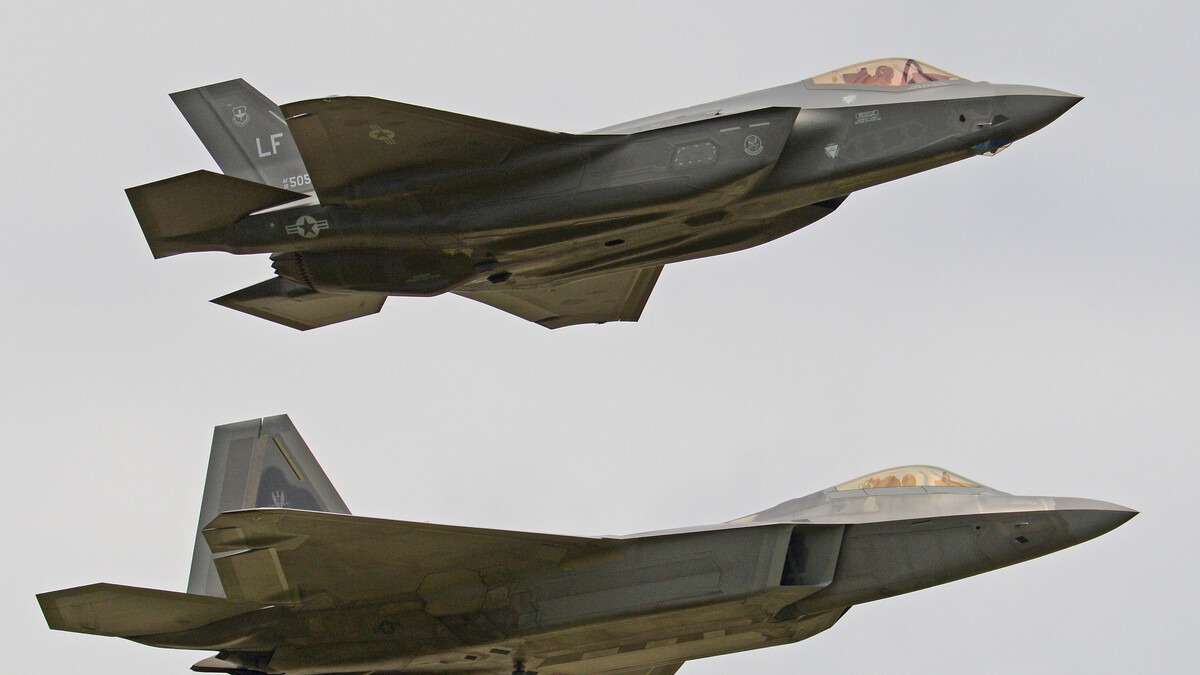
In a multinational scenario, the challenge multiplies. Each participating nation has its own protocols for handling classified components, and coordination becomes critical. The exercise in The Hague simulated exactly this: a collision involving aircraft from different nations, with a nuclear installation adding another layer of risk.
Spain's delegation came from the Commission for the Investigation of Accidents and Incidents of Civil Aviation (CIAIAC), but the skills practiced are directly applicable to military crashes. The scenario required them to work alongside investigators from other countries, share information securely, and manage the scene despite the presence of hazardous materials and nuclear risks.
What Happens When a Stealth Fighter Goes Down
When an F-35 or similar advanced aircraft crashes, the response is unlike any traditional accident. The wreckage is not just debris—it is a treasure trove of classified technology. Every piece must be accounted for, and the site must be secured against unauthorized access.
Materials used in stealth aircraft, such as radar-absorbent coatings and composite structures, can be hazardous. Investigators need specialized training to handle them safely. Moreover, the data stored in the aircraft's systems, even if damaged, could reveal sensitive capabilities.
The nuclear dimension in the exercise adds another layer of complexity. If a crash occurs near a nuclear facility, investigators must coordinate with nuclear safety authorities, monitor radiation levels, and adjust their procedures accordingly. This is not a hypothetical scenario—military aircraft often operate in densely populated areas with critical infrastructure nearby.
Key Takeaways from the International Exercise
- Multinational coordination is essential: Seven European countries practiced working together under a unified command structure.
- Classified technology complicates recovery: Investigators must balance evidence collection with protecting sensitive military secrets.
- Nuclear risks require specialized protocols: The scenario forced teams to integrate nuclear safety into their accident response.
- Spain is enhancing its readiness: Participation signals a proactive approach to national security challenges.
- Fifth-generation aircraft demand new investigative skills: Traditional methods may not suffice for stealth and advanced materials.
How Spain Trains for the Worst-Case Scenario
Spain's involvement in the exercise reflects a growing awareness that military accidents can have far-reaching consequences. The CIAIAC typically investigates civil aviation accidents, but its expertise in evidence preservation and multinational cooperation is invaluable for military scenarios.
During the exercise, the Spanish team focused on the initial phases of an investigation: securing the site, identifying witnesses, and coordinating with other nations. They also practiced handling classified information, ensuring that sensitive data from the aircraft remained protected.
The scenario was deliberately extreme—a collision over France with nuclear damage. While such an event is unlikely, the skills practiced are transferable to more common accidents. The goal is to build muscle memory so that when a real incident occurs, response is swift and effective.
Comparing Civil and Military Accident Investigations
The table below highlights the key differences between civil and military accident investigations, especially when advanced aircraft are involved. The longer history behind the story is traced in Austria Excavator Finds 1 Ton of Prehistoric Iron Bars.
| Aspect | Civil Aviation | Military Aviation (F-35) |
|---|---|---|
| Primary Goal | Safety improvement | Safety and national security |
| Information Sensitivity | Generally public | Highly classified |
| Coordination | National authorities | Multinational and military commands |
| Hazardous Materials | Standard aircraft materials | Stealth coatings, composites, explosives |
| Nuclear Risk | Rarely considered | Explicitly integrated in scenarios |
As fifth-generation aircraft become more common, the line between civil and military investigations may blur. Spain's participation in this exercise is a clear signal that it intends to stay ahead of these challenges. The background to this story is set out in Trump Arch Plan Faces Legal Challenge Over National Security Claims. A related thread runs through Aviation Security in Spotlight After Flydubai Flight Incident. Earlier coverage in Police Boat Crashes into Westminster Bridge, Injuring Five shows how the argument developed.
What to Watch Next
The exercise in The Hague is just one step. Spain and its allies are likely to continue developing joint protocols for military accident investigations. The growing fleet of F-35s in Europe means that the risk of a crash involving classified technology is real. A closer look at the same subject appears in Aviation Hero's Granddaughter Discovers Secret Family History. Anyone following the wider picture can start with Sully Sullenberger Inducted into Aviation Hall of Fame. The same theme surfaces in UK Suppressed Climate Security Report: National Security Risks, which takes a different angle.
Investing in training and multinational cooperation now can prevent a security crisis later. For Spain, the message is clear: an F-35 crash is not just an accident—it is a national security event that requires preparation, coordination, and discretion. Context on how this played out before sits in UK Food Security Warning: Experts Urge National Security Plan. A companion piece, National Gallery Security Segregation Scandal Exposed by Curator, approaches the same subject from another angle.
FAQ
Why is an F-35 crash considered a national security issue?
An F-35 crash involves classified technology and sensitive materials that could be compromised if not properly secured. Investigators must recover debris while preventing unauthorized access, making it a matter of national security beyond a typical accident.
What was the scenario of the exercise in The Hague?
The scenario involved a collision of military aircraft over France that caused damage to a nuclear facility. Seven European countries practiced investigating such a complex disaster, focusing on coordination, classified information handling, and nuclear safety.
How does Spain benefit from participating in this exercise?
Spain enhances its ability to respond to military accidents involving advanced aircraft. The exercise builds skills in multinational coordination, evidence preservation, and handling sensitive information, which are crucial for national security.
What are the main challenges in investigating a fifth-generation fighter crash?
Challenges include managing classified technology, dealing with hazardous materials, coordinating across nations, and addressing additional risks such as nuclear infrastructure. Traditional investigation methods may not suffice.
Browse the Shop
 Acacia frida deluxe solid wood bed frame |
Bedroom bench |
Bed chest drawers |
Lingerie dresser |
Frame base |
Mirror with jewelry storage |
30 Bathroom Vanity |
Memory foam queen mattress |
Mattresses for back pain |
Nightstand set of 2 |
Grand Goldman Shop |
Civil Lawyer
Deutschland Trikot WM 2026










