

Regional supermarkets like Froiz are proving resilient in Spain's grocery market, where Mercadona leads with a 30% share. Despite the dominance of national chains, Froiz and other regional players are finding ways to compete and grow.
Mercadona's influence is undeniable. The Valencian chain sets trends with its short assortment, private label focus, and ready-to-eat meals. However, regional supermarkets offer a different value proposition that resonates with local consumers.
Find Original Home Decor sparking conversation at Grand Goldman Shop.

Froiz's Recent Performance
Froiz, headquartered in Poio (Pontevedra), operates mainly in Galicia, Castilla y León, Castilla-La Mancha, Madrid, and northern Portugal. In 2025, the chain reached a business volume of 970 million euros, according to recent data. This figure, while small compared to Mercadona's billions, represents solid growth for a regional player.
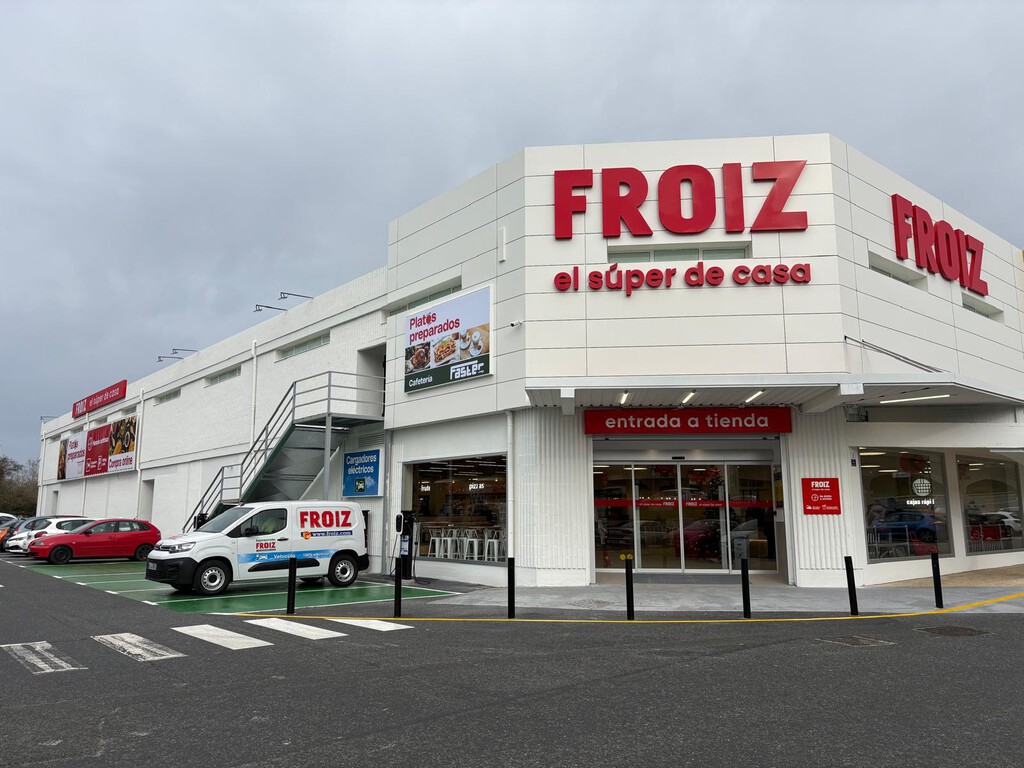
The company's ability to expand beyond its home region while maintaining local roots is a key factor in its success. Froiz has managed to carve out a niche in a market where the top three chains—Mercadona, Carrefour, and Lidl—account for nearly 43% of the total, per NielsenIQ.
Why Regional Supermarkets Matter
Regional supermarkets like Froiz contribute to market diversity and consumer choice. They often have deeper knowledge of local tastes and preferences, allowing them to tailor their offerings. This local focus can foster customer loyalty that national chains struggle to match.
Moreover, regional chains are often more agile in adapting to local market conditions. They can respond quickly to changes in demand and build strong relationships with local suppliers, which can be a differentiator in terms of freshness and product quality.
Key Strategies for Regional Success
To compete with giants like Mercadona, regional supermarkets employ several strategies. These include emphasizing local products, providing personalized service, and optimizing store formats for convenience.
- Local sourcing: Partnering with nearby producers to offer fresh, unique products.
- Community engagement: Building loyalty through local events and sponsorships.
- Agile operations: Quickly adapting assortments to local preferences.
- Efficient logistics: Streamlining supply chains to reduce costs.
- Digital presence: Investing in e-commerce and delivery services to meet modern demands.
These tactics help regional chains differentiate themselves and maintain a competitive edge.
Comparing Regional and National Chains
The table below highlights key differences between regional supermarkets like Froiz and national leaders like Mercadona.
| Aspect | Regional Chains (e.g., Froiz) | National Chains (e.g., Mercadona) |
|---|---|---|
| Market Share | Smaller, localized | Dominant, nationwide |
| Product Assortment | Tailored to local tastes | Standardized, short assortment |
| Supplier Relationships | Close ties with local producers | Centralized purchasing |
| Flexibility | High, quick adaptation | Lower, economies of scale |
| Customer Loyalty | Strong community connections | Broad brand recognition |
Challenges Ahead
Despite their resilience, regional supermarkets face challenges. Competition from discounters and online grocery platforms is intensifying. Additionally, inflation and supply chain disruptions affect all players, but smaller chains may have less bargaining power.
To sustain growth, regional chains must continue innovating and investing in efficiency. Leveraging technology and data analytics can help them better understand customer needs and optimize operations. The background to this story is set out in Supermarkets Now Compete With Restaurants, Not Just Each Other. A related thread runs through Consum Overtakes Mercadona in Valencia Retail Space Race. Earlier coverage in Mercadona Portugal: 55% of Households Now Shop at the Chain shows how the argument developed.
What to Watch Next
As Mercadona continues to expand, regional supermarkets will need to sharpen their strategies. Watch for increased consolidation among regional players, as well as partnerships and alliances to gain scale. Also, expect more emphasis on sustainability and local sourcing as differentiators. A closer look at the same subject appears in Mercadona Market Share Stalls: What the Data Reveals. Anyone following the wider picture can start with Turkish Supermarket File Copies Mercadona and Now Faces EU Probe. The same theme surfaces in 24 Hilarious Photos Proving Men and Women Are From Different World, which takes a different angle.
The grocery market in Spain is dynamic, and regional chains like Froiz demonstrate that there is still room for competition and diversity. Their ability to adapt and connect with local communities will determine their long-term success. Context on how this played out before sits in Why Tennis Players Compete Injured: Grand Slam Prize Money and Welfare. A companion piece, Anitín Breadsticks Sales Hit €110 Million Thanks to Mercadona, approaches the same subject from another angle.
FAQ
What is Froiz's market share?
Froiz is a regional supermarket chain with a smaller market share compared to national leaders like Mercadona. Its business volume in 2025 was 970 million euros, indicating a solid presence in its operating regions.
How do regional supermarkets compete with Mercadona?
Regional supermarkets compete by focusing on local products, personalized service, and community engagement. They leverage their agility to adapt to local preferences and build strong customer loyalty.
What are the main challenges for regional supermarkets?
Challenges include competition from discounters and online platforms, inflation, and supply chain issues. Smaller chains may also have less bargaining power with suppliers.
Where does Froiz operate?
Froiz operates mainly in Galicia, Castilla y León, Castilla-La Mancha, Madrid, and northern Portugal.
Browse the Shop
 Acacia frida deluxe solid wood bed frame |
Bedroom bench |
Bed chest drawers |
Lingerie dresser |
Frame base |
Mirror with jewelry storage |
30 Bathroom Vanity |
Memory foam queen mattress |
Mattresses for back pain |
Nightstand set of 2 |
Grand Goldman Shop |
Civil Lawyer
Deutschland Trikot WM 2026







