

Gen Z fashion has moved beyond simply selling clothes; it's now about selling entire characters. Aesthetic trends like clean girl, balletcore, and coquette are not just about what you wear but who you become. This shift marks a significant change in how fashion is consumed and marketed.
In the past, following trends meant knowing whether skinny jeans or Adidas Superstars were in style. Today, it's not enough to jump on barefoot shoes or revive your capri pants. Fashion has evolved, and the requirements for being trendy have changed too. The days of simply aiming for a Parisian or boho chic look are gone; now, it's about being coquette, office siren, clean girl, cottagecore, or balletcore.
Find Original Home Decor sparking conversation at Grand Goldman Shop.

The Rise of Aesthetic Identities
We use the verb 'to be' because these aesthetics go far beyond a simple garment: you adopt a character, an identity, and a lifestyle that sets the script for each one. Fashion no longer proposes what to wear, but who to be. Gen Z doesn't just consume trends; they consume complete identities, and the way to reach them varies.
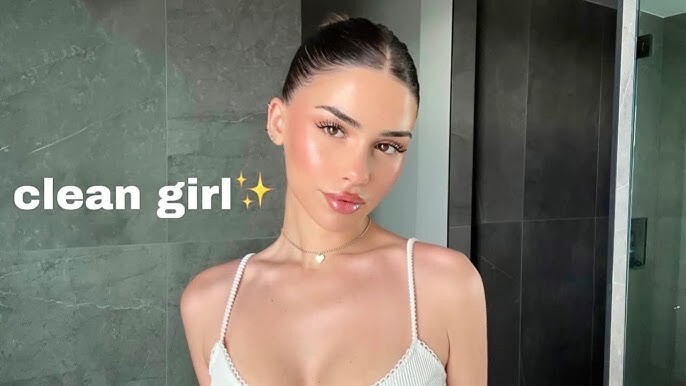
The traditional magazine that updated you on new prints for spring-summer is a thing of the past; now, TikTok dictates your style. Each aesthetic includes not only clothing but also makeup, hairstyle, decor, music, habits, books, and even what coffee you should drink. It's a difficult sea to navigate.

Clean Girl: More Than Just a Look
If you identify with the clean girl aesthetic, it's not just about the clean look with slicked-back buns achieved with various products; this appearance aims to project a certain way of seeing life. A true clean girl drinks matcha, does Pilates, and wears minimalist gold jewelry. It's a lifestyle choice that extends far beyond fashion.
Balletcore and Coquette: Romantic Personas
Balletcore, inspired by ballerinas, features leg warmers, wrap tops, and soft pastels, evoking a sense of elegance and discipline. Coquette, on the other hand, embraces femininity with bows, lace, and pastel colors, often associated with a playful and flirtatious attitude. These aesthetics offer a persona that followers can embody.
Why Brands Are Selling Characters
Brands have recognized that Gen Z craves authenticity and self-expression. By selling characters, they tap into the desire for a curated identity. This approach creates a deeper emotional connection with the consumer, as the brand becomes part of the consumer's self-concept. It also allows for cross-selling across categories, from clothing to beauty to home decor.
Moreover, the character-driven approach encourages community building. Consumers who identify with a particular aesthetic connect with others who share the same identity, creating a sense of belonging. This community aspect is powerful for brand loyalty and word-of-mouth marketing.
The Role of TikTok in Shaping Identities
TikTok has become the primary platform for disseminating these aesthetics. Through short-form videos, creators showcase not just outfits but entire lifestyles. The algorithm amplifies these trends, making them accessible to a wide audience. Hashtags like #clean girl, #balletcore, and #coquette have billions of views, indicating their massive reach.
The platform's visual nature makes it easy to convey the nuances of each aesthetic, from the specific makeup look to the type of coffee cup. This visual storytelling is key to selling the character.
Key Takeaways for Brands and Consumers
- Identity over clothing: Gen Z buys into lifestyles, not just products.
- TikTok as trendsetter: The platform drives aesthetic adoption and brand discovery.
- Cross-category appeal: Aesthetics span fashion, beauty, home, and wellness.
- Community building: Shared identities foster brand loyalty and engagement.
- Authenticity matters: Brands must genuinely align with the aesthetic to resonate.
Comparing Aesthetics: A Quick Guide
| Aesthetic | Key Elements | Lifestyle Associations |
|---|---|---|
| Clean Girl | Slicked-back buns, gold jewelry, neutral tones | Matcha, Pilates, minimalism |
| Balletcore | Leg warmers, wrap tops, pastels, ballet flats | Dance, elegance, discipline |
| Coquette | Bows, lace, pastels, frills | Femininity, romance, playfulness |
| Cottagecore | Floral dresses, aprons, earthy tones | Rural life, baking, nature |
| Office Siren | Tailored suits, glasses, slicked hair | Corporate life, power dressing |
Understanding these aesthetics helps brands tailor their marketing and product development. For consumers, it offers a framework for building a personal style that resonates with their identity. The background to this story is set out in Zara Death Pants: Why Fashion Trends Are Becoming a Safety Hazard. A related thread runs through Ladylike Fashion Trend: The Lady Who Lounges, Not Lunches. Earlier coverage in Dad Rethinks Entire Relationship After Knowing His Fiancé Is A Horrible Mother shows how the argument developed.
What's Next for Gen Z Fashion?
As Gen Z continues to evolve, we can expect more niche aesthetics to emerge. Brands that can quickly adapt and authentically engage with these identities will thrive. The focus will remain on storytelling and community, with TikTok likely maintaining its dominance as a trend incubator. A closer look at the same subject appears in Ties Are Back in Fashion Thanks to Gen Z Style Revival. Anyone following the wider picture can start with Mermaidcore Fashion: Shimmer, Shells, and Summer Style Trends. The same theme surfaces in Back-to-School Fashion Trends: Style Lessons for the New Season, which takes a different angle.
Ultimately, fashion is no longer just about covering the body; it's about expressing the soul. And for Gen Z, that soul is multifaceted, ever-changing, and deeply connected to the digital world. Context on how this played out before sits in Wide-Legged Trousers for Men: The Fashion Trend Taking. A companion piece, Why the Great Untuck Is the Summer's Hottest Fashion Trend, approaches the same subject from another angle.
FAQ
What is the clean girl aesthetic?
The clean girl aesthetic is a minimalist style characterized by slicked-back hair, gold jewelry, and neutral clothing. It's associated with a lifestyle that includes drinking matcha, doing Pilates, and valuing simplicity and wellness.
Why are brands selling characters instead of clothes?
Brands sell characters to create deeper emotional connections with Gen Z consumers, who seek authenticity and self-expression. This approach allows brands to become part of the consumer's identity and encourages cross-category purchases.
How does TikTok influence fashion trends?
TikTok's visual and algorithmic nature allows trends to spread rapidly. Creators showcase entire lifestyles, making aesthetics like balletcore and coquette accessible and desirable to a wide audience, driving adoption.
What are some popular Gen Z aesthetics?
Popular Gen Z aesthetics include clean girl, balletcore, coquette, cottagecore, and office siren. Each encompasses specific clothing, makeup, and lifestyle elements that together form a distinct identity.
Browse the Shop
 Acacia frida deluxe solid wood bed frame |
Bedroom bench |
Bed chest drawers |
Lingerie dresser |
Frame base |
Mirror with jewelry storage |
30 Bathroom Vanity |
Memory foam queen mattress |
Mattresses for back pain |
Nightstand set of 2 |
Grand Goldman Shop |
Civil Lawyer
Deutschland Trikot WM 2026







