

A glacial tsunami in Guadarrama 49,000 years ago reshaped the landscape and opened a path for Neanderthals into Segovia, offering a deep-time perspective on a hazard that still threatens mountain communities today.
What Happened in Guadarrama 49,000 Years Ago?
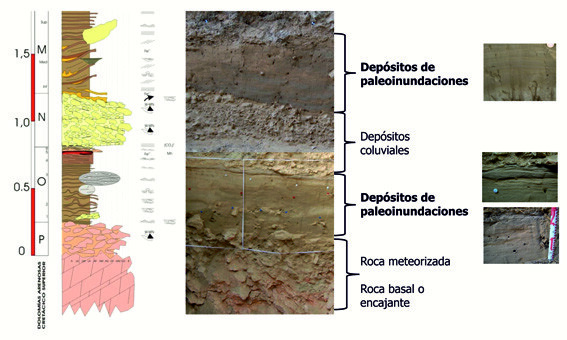
According to the Geological and Mining Institute of Spain (IGME), a massive glacial flood swept through the Duratón and Eresma valleys in Segovia around 49,000 years ago. This event, described as a "glacial tsunami," was triggered by the sudden release of water from a glacier-dammed lake or a glacial collapse.
Find Original Home Decor sparking conversation at Grand Goldman Shop.

Similar to the recent disaster in the Himalayas, where a glacier collapse in Nepal wiped out a border crossing in minutes, this ancient flood would have devastated the valley in a matter of hours. The IGME highlighted the Segovia event on social media just a day after the Nepal tragedy, drawing parallels between past and present glacial hazards.
Why This Ancient Flood Matters Today
The Guadarrama glacial tsunami is not just a geological curiosity; it provides crucial data for understanding how glaciers behave under stress. By dating the deposits left by such floods, scientists can reconstruct past climate conditions and assess future risks.
Today, an estimated 15 million people live in areas exposed to glacial lake outburst floods (GLOFs) or similar events. The Nepal disaster, which initially was thought to be a GLOF but later identified as a massive glacial collapse, underscores the persistent threat.
Key Lessons from the Guadarrama Event
- Glacial floods can happen in unexpected places: The Sierra de Guadarrama is not currently glacier-covered, but it once hosted glaciers that created dammed lakes.
- They leave lasting marks: The deposits from the 49,000-year-old flood help date when Neanderthals began inhabiting the region.
- Climate change amplifies risk: As glaciers retreat worldwide, the likelihood of GLOFs and glacial collapses increases.
- Historical data is vital: Studying past events improves models for predicting future floods.
How the Flood Opened a Path for Neanderthals
The flood's aftermath likely altered the terrain, creating new routes and resources that attracted Neanderthals to the area. The Duratón and Eresma valleys, with their abundant water and game, became a corridor for these early humans.
Archaeological evidence suggests that Neanderthals occupied the region around that time, and the flood deposits provide a chronological anchor for their presence. This connection between geological events and human migration highlights how natural disasters can shape the course of prehistory.
Comparing Ancient and Modern Glacial Floods
| Event | Location | Date | Cause | Impact |
|---|---|---|---|---|
| Guadarrama Glacial Tsunami | Sierra de Guadarrama, Spain | ~49,000 years ago | Glacial dam breach or collapse | Reshaped valleys, opened migration routes |
| Nepal Glacier Collapse | Himalayas, Nepal/China border | 2025 (recent) | Massive ice and rock avalanche | Destroyed border crossing, casualties |
The Science Behind Glacial Tsunamis
Glacial tsunamis, also known as glacial lake outburst floods (GLOFs), occur when a glacier-dammed lake bursts. This can happen due to melting, seismic activity, or the collapse of the glacier itself.
In the case of the Nepal event, experts initially suspected a GLOF but later determined it was a massive glacial collapse—a chunk of ice and rock broke off and dammed the river, causing a devastating flood when it gave way. The Guadarrama event likely followed a similar mechanism, though the exact cause remains under study. The background to this story is set out in Trending: latest articles. A related thread runs through Internxt Zero-Knowledge Encryption: Secure Your Cloud Data.
What to Watch Next
As climate change accelerates glacier retreat, the risk of glacial tsunamis grows. Scientists are monitoring high-mountain regions, but many areas lack adequate early warning systems. Earlier coverage in Ceuta: The Portuguese City That Chose Spain Over Portugal shows how the argument developed. A closer look at the same subject appears in How to Download YouTube Videos Free on PC: Step-by-Step Guide.
The Guadarrama case serves as a reminder that these events are not confined to the Himalayas; they can happen wherever glaciers exist or once existed. Understanding past events helps communities prepare for future ones. Anyone following the wider picture can start with Microsoft AI Token Spending: Employee Burns $28,000 in a Month. The same theme surfaces in Moncayo Wind Farm Overhaul: 3 Giant Turbines Replace 22 Old Ones, which takes a different angle.
FAQ
What is a glacial tsunami?
A glacial tsunami, or glacial lake outburst flood (GLOF), is a sudden release of water from a glacier-dammed lake. It can be triggered by melting, seismic activity, or the collapse of the glacier itself, causing devastating floods downstream.
How did the Guadarrama glacial tsunami affect Neanderthals?
The flood reshaped the valleys, creating new routes and resources that likely facilitated Neanderthal migration into the Segovia region. The deposits also help archaeologists date when Neanderthals began inhabiting the area.
Are glacial tsunamis still a threat today?
Yes, an estimated 15 million people worldwide live in areas exposed to GLOFs. As climate change causes glaciers to retreat, the risk of such events increases, especially in high-mountain regions like the Himalayas and the Andes.
What caused the recent Nepal glacier disaster?
The Nepal disaster was initially thought to be a GLOF, but later analysis revealed it was a massive glacial collapse—a large mass of ice and rock broke off, dammed a river, and then burst, causing a devastating flood.







