

The Herculaneum papyri, a collection of ancient scrolls carbonized by the eruption of Mount Vesuvius in 79 AD, have long been unreadable. Now, archaeologists and technologists have developed methods to decipher them without physically unrolling the fragile scrolls.
This breakthrough promises to unlock a library of classical texts that have been inaccessible for nearly two millennia.
Find Original Home Decor sparking conversation at Grand Goldman Shop.

What Are the Herculaneum Papyri?
In the 18th century, excavators at the Villa of the Papyri in Herculaneum discovered around 1,800 papyrus scrolls. The villa, believed to have belonged to Julius Caesar's father-in-law, housed a vast library.
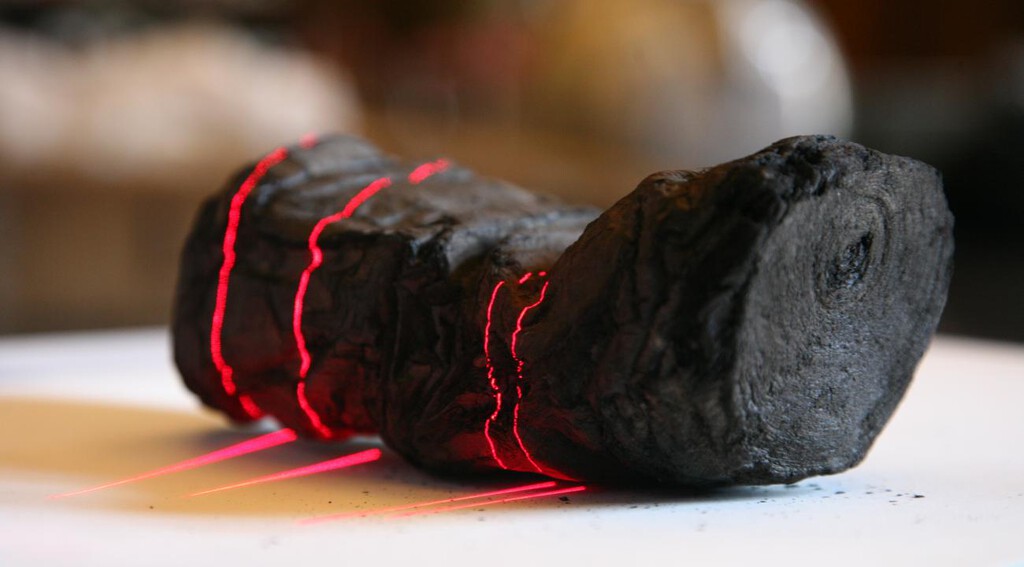
The scrolls were reduced to blackened cylinders by the volcanic eruption, appearing impossible to read. Previous attempts to unroll them often destroyed the fragile remains.

Why Are These Scrolls So Significant?
The papyri contain works of Epicurean philosophy, particularly those of Philodemus of Gadara. They offer a rare glimpse into classical thought and literature.
Many texts are otherwise lost to history, making the scrolls invaluable to scholars. Reading them could reshape our understanding of ancient philosophy and culture.
How Can We Read Them Now?
Recent advances in technology have enabled non-invasive reading. Techniques include high-resolution X-ray imaging and artificial intelligence.
One complete scroll has already been read without unrolling, demonstrating the feasibility of these methods. Researchers continue to refine the process to decipher more texts.
Key Technologies Involved
- X-ray tomography: creates detailed 3D images of the scroll's internal structure.
- Artificial intelligence: helps detect and interpret faint ink traces.
- Virtual unwrapping: uses software to flatten the scroll digitally.
- Multispectral imaging: enhances contrast to reveal hidden text.
What Have We Learned So Far?
So far, only a fraction of the collection has been analyzed. The complete scroll that was read provided new insights into Epicurean philosophy.
Researchers are optimistic that many more texts will be deciphered, potentially revealing unknown works.
Challenges and Future Directions
The scrolls are extremely fragile, and the ink is often indistinguishable from the carbonized papyrus. Developing better imaging and analysis techniques remains a priority. Context on how this played out before sits in Why Your Cat Wakes You at Dawn: Feline Expert Explains. A companion piece, Herculaneum Papyri: How Archaeologists Can Now Read Them, approaches the same subject from another angle.
International teams are collaborating to scan and analyze the scrolls, with the goal of creating a digital library of the texts. The background to this story is set out in Ancient Papyrus Reveals Roman Judicial System Secrets. A related thread runs through Trending: latest articles.
| Technique | Description | Advantages |
|---|---|---|
| X-ray tomography | 3D imaging of scroll structure | Non-destructive |
| AI ink detection | Machine learning to find ink | High accuracy |
| Virtual unwrapping | Software-based flattening | Preserves original |
| Multispectral imaging | Enhances text visibility | Reveals hidden layers |
What to Watch Next
As technology improves, more scrolls will be read. Each new text adds to our knowledge of the ancient world. Earlier coverage in 2,000-Year-Old Roman Lead Ingot Reveals Hidden Workshop in Germany shows how the argument developed. A closer look at the same subject appears in Roman Concrete Durability: New Secret from Hadrian's Toilet.
The Herculaneum papyri represent a remarkable opportunity to recover lost literature. The ongoing work promises to keep scholars busy for decades. Anyone following the wider picture can start with Ancient Chinese Tomb Reveals 21 Bronze Bells Dismantled 2,600 Years Ago. The same theme surfaces in Pompeii Wardrobe Yields Perfume Bottle and Child's Necklace, which takes a different angle.
FAQ
What are the Herculaneum papyri?The Herculaneum papyri are a collection of about 1,800 ancient scrolls discovered in the Villa of the Papyri in Herculaneum. They were carbonized during the eruption of Mount Vesuvius in 79 AD and have been unreadable for centuries.
How are archaeologists reading them now?Archaeologists use non-invasive techniques such as X-ray tomography, artificial intelligence, and virtual unwrapping to read the scrolls without physically unrolling them. These methods create detailed images and help detect ink on the carbonized papyrus.
Why is this discovery important?The scrolls contain works of Epicurean philosophy and other classical texts that would otherwise be lost. Reading them could significantly enhance our understanding of ancient literature and thought.
What challenges remain?The main challenges include the fragility of the scrolls and the difficulty in distinguishing ink from the carbonized material. Researchers are continuing to refine imaging and analysis techniques to overcome these obstacles.
Browse the Shop
 Acacia frida deluxe solid wood bed frame |
Bedroom bench |
Bed chest drawers |
Lingerie dresser |
Frame base |
Mirror with jewelry storage |
30 Bathroom Vanity |
Memory foam queen mattress |
Mattresses for back pain |
Nightstand set of 2 |
Grand Goldman Shop |
Civil Lawyer
Deutschland Trikot WM 2026







