

Meta's plan to build a data center in Talavera de la Reina has cleared a major regulatory hurdle, but the project still faces scrutiny over its water usage in a region plagued by drought. The social media giant received final approval for the urban planning re-parceling from the regional government, allowing it to proceed with construction permits.
The announcement was made by David Gómez, the regional government's delegate in Talavera de la Reina, who called the approval a successful end to a comprehensive processing period. Meta can now present its construction projects and request building licenses from the city council.
Find Original Home Decor sparking conversation at Grand Goldman Shop.

A Long-Awaited Project
The data center has been a long-standing aspiration for the area. First proposed in 2019, it was granted the status of a Project of Singular Interest (PSI) in 2020. Many residents hope the project will bring economic renewal and opportunities.
Parents envision their children studying computer engineering at the local UCLM campus and eventually working for one of the world's leading tech companies. The community looks forward to a healthier economy, new jobs, and a return to its status as a regional capital.
However, the specter of drought looms large. The region has faced chronic water shortages, and any large-scale development raises questions about sustainability.
Project Details and Economic Impact
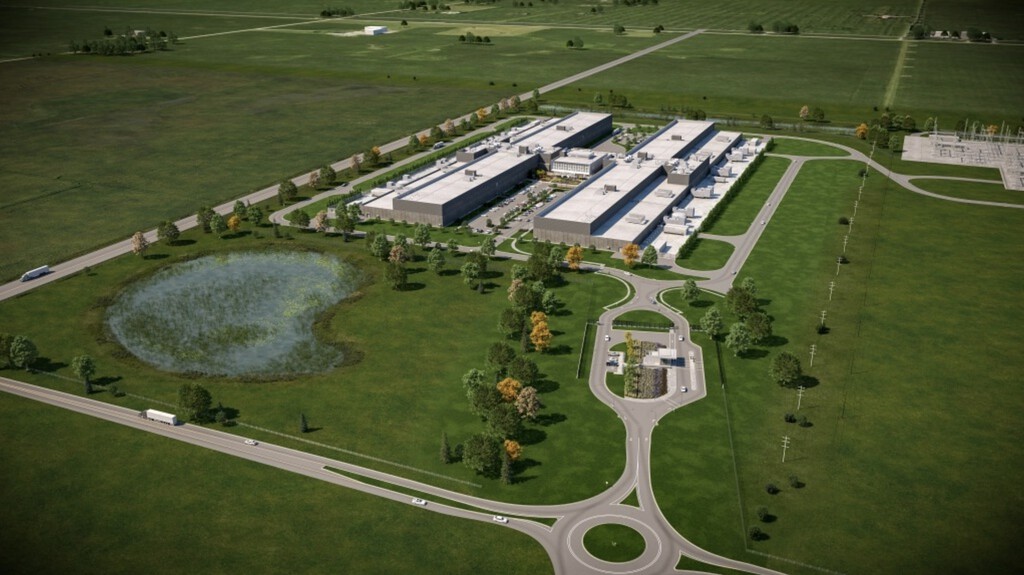
The data center will span 191 hectares and represent an investment of at least 1 billion euros, funded entirely by Meta with no public money. It is expected to create 250 direct, stable jobs, and up to 780 annually when including the supply chain.
Meta claims the facility will operate without noticeable noise or light pollution within 400 meters. It will use dry air cooling, consuming only 0.2 cubic hectometers of water per year—a figure that Gómez says is negligible compared to other industrial uses.
Key Figures at a Glance
| Metric | Value |
|---|---|
| Investment | €1 billion |
| Area | 191 hectares |
| Direct jobs | 250 |
| Annual water consumption | 0.2 hm³ |
| Cooling method | Dry air cooling |
Water Concerns in a Drought-Prone Region
The Tajo River, which flows nearby, has long suffered from overexploitation and irregular flow. Environmental groups argue that adding any new water demand, even a relatively small one, could exacerbate existing problems.
Meta's use of dry cooling significantly reduces water needs compared to traditional evaporative cooling. Yet critics point out that the data center's overall environmental footprint, including energy consumption, must be considered.
The company has not yet detailed its energy sourcing plans, but it has committed to powering its global operations with 100% renewable energy. Whether the Talavera facility will meet that standard remains to be seen.
What It Means for the Community
Local businesses and workers are hopeful. The construction phase alone will generate temporary employment, and the permanent jobs are highly coveted in an area with limited tech opportunities.
The presence of a major tech company could also attract related industries and startups, fostering an ecosystem of innovation. The UCLM campus may see increased enrollment in engineering programs as students eye potential careers at Meta.
However, some residents worry about rising housing costs and infrastructure strain. The city will need to invest in transportation, housing, and utilities to accommodate the influx of workers.
Next Steps and Timeline
With the urban planning approval in hand, Meta will now submit detailed construction plans and apply for building permits. Construction is expected to begin once permits are granted, though no official timeline has been announced. The background to this story is set out in Islay Distilleries Boost Local Economy and Seafood Tourism. A related thread runs through UK High Street Regeneration: £210m Boost for Local Economies. Earlier coverage in Foster + Partners Cleared in Fatal Window Fall Case shows how the argument developed.
The project will also undergo environmental impact assessments, which will scrutinize water usage, energy efficiency, and waste management. Public consultations may be held to address community concerns. A closer look at the same subject appears in Pubs Need More Than Football Boost: How to Save Local Pubs. Anyone following the wider picture can start with Meta Deploys Robots to Automate Data Centers and Cut Jobs. The same theme surfaces in Trending: latest articles, which takes a different angle.
Meta has emphasized its commitment to sustainability and community engagement, but it must back up these promises with transparent reporting and action. Context on how this played out before sits in Data Centers Sell Waste Heat as Nearly Free Heating for Cities. A companion piece, Meta's Talavera Data Center: A Boost for Local Economy, approaches the same subject from another angle.
FAQ
How much water will the Meta data center consume?
The data center will use dry air cooling, consuming 0.2 cubic hectometers of water per year. This is significantly less than traditional cooling methods, but any water use in a drought-prone region is contentious.
Will the data center create jobs for local residents?
Yes, the project is expected to generate 250 direct, stable jobs and up to 780 annually including the supply chain. Local leaders hope these opportunities will retain young talent in the region.
What environmental concerns are associated with the project?
The main concerns are water usage and energy consumption. While water use is minimized, the data center's overall carbon footprint will depend on its energy sources. Environmental groups are calling for strict oversight.
When will construction begin?
Construction will begin after Meta submits detailed plans and receives building permits from the city council. No official start date has been announced, but the approval process is now underway.
Browse the Shop
 Acacia frida deluxe solid wood bed frame |
Bedroom bench |
Bed chest drawers |
Lingerie dresser |
Frame base |
Mirror with jewelry storage |
30 Bathroom Vanity |
Memory foam queen mattress |
Mattresses for back pain |
Nightstand set of 2 |
Grand Goldman Shop |
Civil Lawyer
Deutschland Trikot WM 2026







