

When it comes to portable air conditioners, the Midea PortaSplit aims to solve a long-standing problem: most portable units are noisy, inefficient, and struggle to cool a room effectively. The PortaSplit takes a different approach by borrowing the two-piece design of a traditional split system—an indoor unit and an outdoor unit connected by a hose—while remaining portable and installation-free. After testing it over several summer months, here's what you need to know.
What Is the Midea PortaSplit?
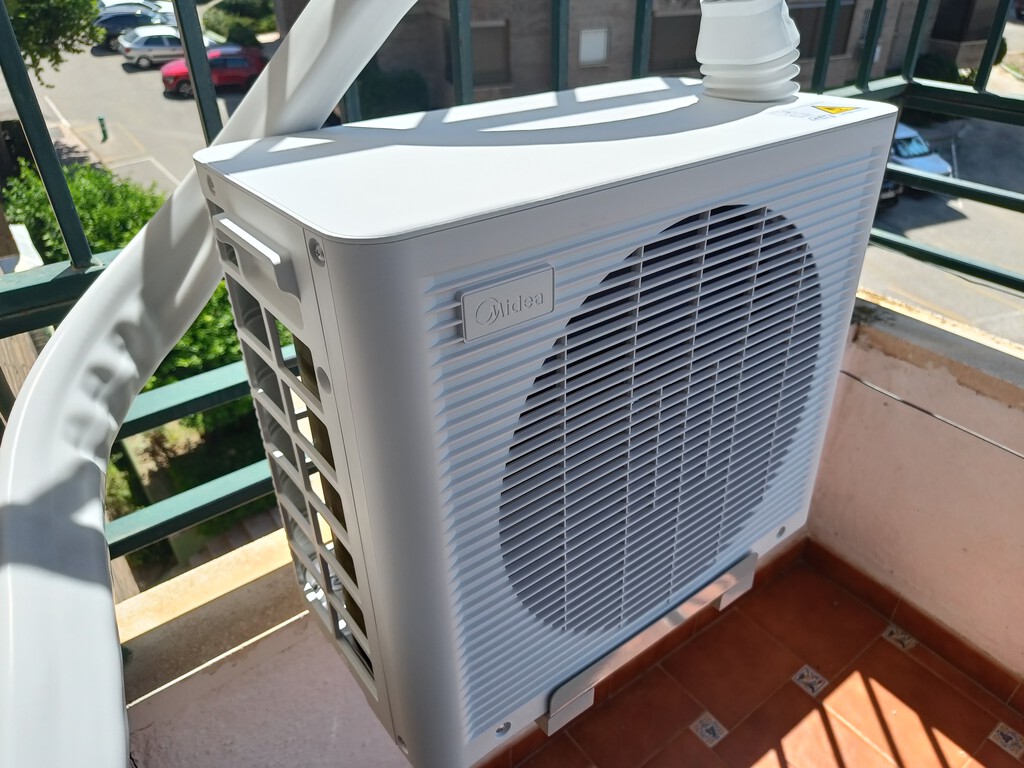
The Midea PortaSplit is a portable air conditioner with two components: an indoor unit that sits in your room and an outdoor unit that hangs outside your window, connected by a flat flexible hose. This hose carries refrigerant, condensation water, and electrical wiring, and it comes pre-attached and non-removable. This design is the key difference from traditional monoblock portable ACs (often called "penguin" units), which exhaust hot air through a single duct but still suffer from inefficiency because they draw in room air to cool the condenser.
Find Original, High-end Home Decor that spark conversation at Grand Goldman Shop.
How the PortaSplit Works
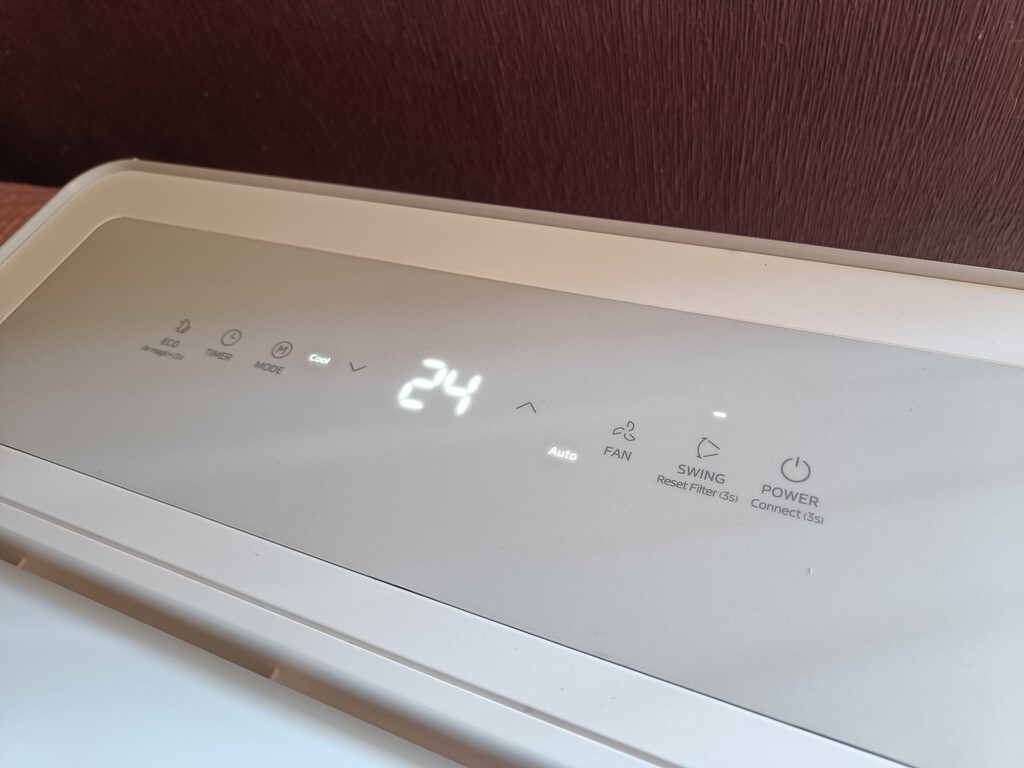
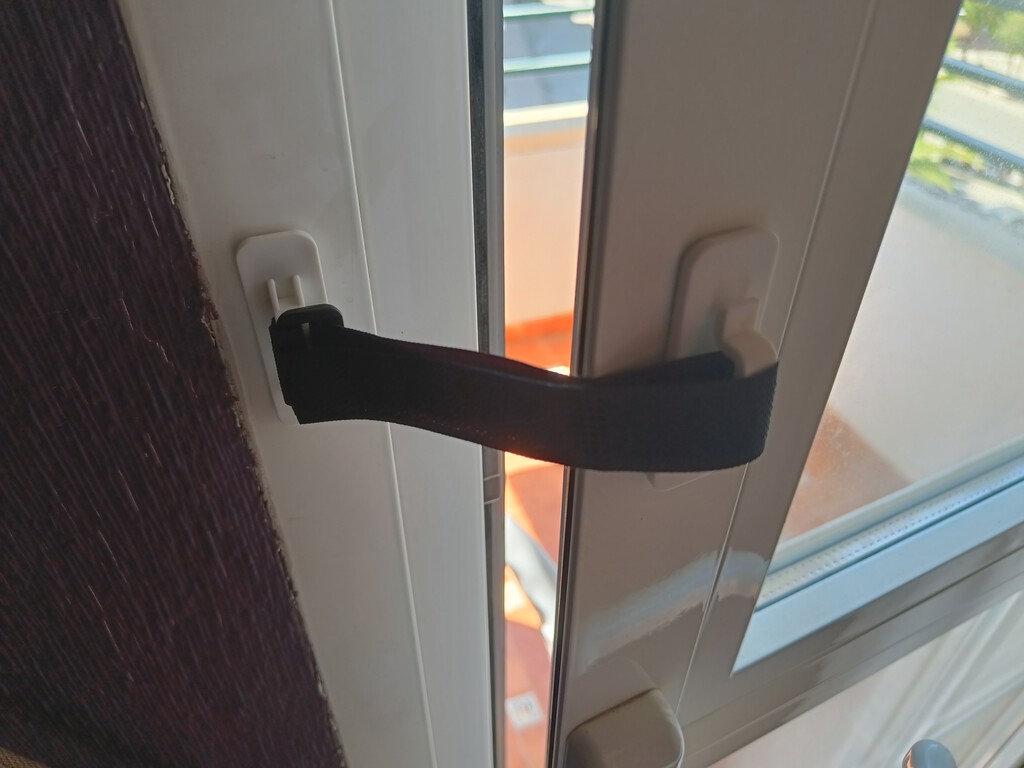
By separating the indoor and outdoor units, the PortaSplit mimics the operation of a wall-mounted split system. The indoor unit blows cold air into the room, while the outdoor unit dissipates heat outside. Because the compressor and condenser are located outdoors, the indoor unit operates much more quietly than a typical portable AC. The flat hose is designed to fit through a window opening, and the outdoor unit can be secured with a bracket (sold separately or included depending on the kit). No drilling or permanent installation is required, making it suitable for renters or those who want a temporary cooling solution.
Performance and Cooling Efficiency
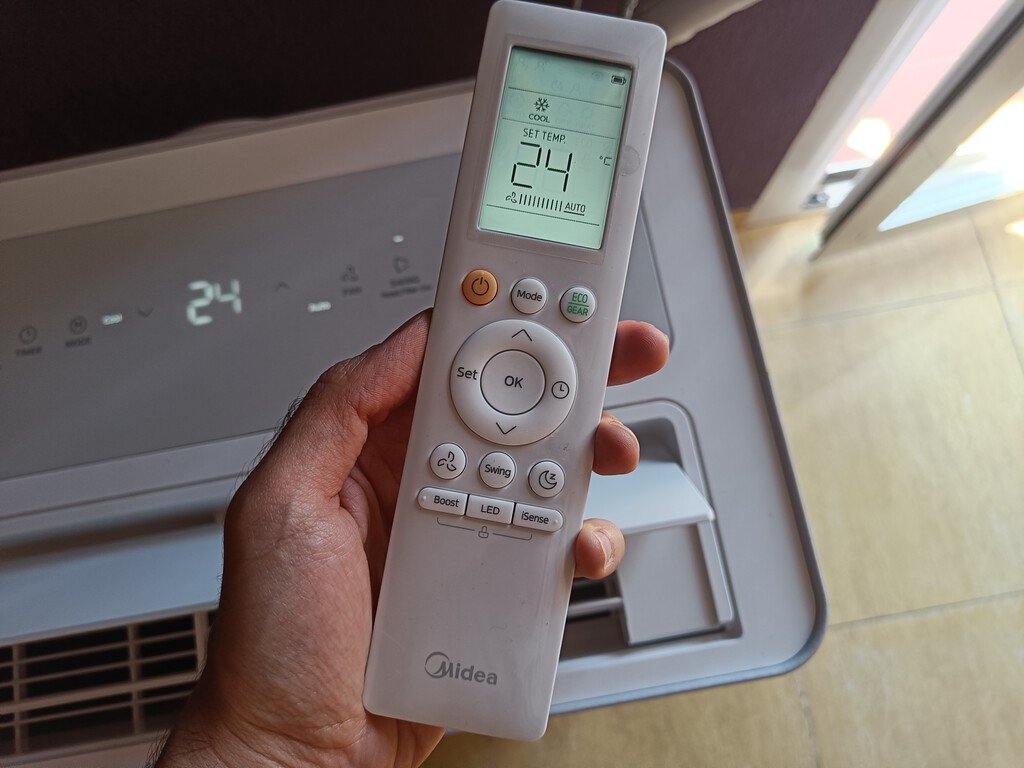
In my testing, the PortaSplit outperformed standard portable air conditioners in both cooling speed and noise levels. The indoor unit is significantly quieter—comparable to a split system—because the noisy compressor is outside. It also cooled my room more evenly and quickly than a comparable monoblock unit. However, performance depends on proper placement: the outdoor unit needs adequate airflow and should not be enclosed in a small space. The unit's cooling capacity (measured in BTU) should match your room size; the PortaSplit is available in models suitable for medium to large rooms.
Key Features and Specifications
Here's a quick overview of the PortaSplit's main features compared to a traditional portable AC: The background to this story is set out in Best Portable Air Conditioners for UK Bedrooms: Tested and Reviewed. A related thread runs through Aquabag GF Hose Reel Review: Compact & Portable. Earlier coverage in Make a Portable Outdoor Shower with a Gallon Container shows how the argument developed.
- Two-piece design: Indoor and outdoor units connected by a flat hose, reducing indoor noise and heat.
- No installation required: No drilling, no wall bracket, no professional installer needed.
- Quiet operation: Compressor is located outdoors, so indoor noise is minimal.
- Energy efficiency: Typically more efficient than monoblock portables because it doesn't depressurize the room.
- Portability: Can be moved between rooms (though the outdoor unit requires window access).
Comparison: PortaSplit vs. Traditional Portable AC
| Feature | Midea PortaSplit | Traditional Portable AC |
|---|---|---|
| Design | Two-piece (indoor + outdoor unit) | Single unit with exhaust hose |
| Installation | No drilling; hose through window | No installation; hose through window |
| Noise Level | Low (compressor outdoors) | High (compressor indoors) |
| Cooling Efficiency | High (similar to split system) | Moderate to low |
| Portability | Moveable but requires window access | Fully portable (within room) |
| Price | Higher upfront cost | Lower upfront cost |
Pros and Cons
Pros: Quiet operation, efficient cooling, no installation, good for renters. Cons: Higher price than basic portables, outdoor unit needs window space and secure mounting, hose is not detachable so moving between rooms is less convenient than a monoblock unit. A closer look at the same subject appears in Trending: latest articles. Anyone following the wider picture can start with Lidl's Ninja Crispi Alternative: Half-Price Air Fryer With Clear Baskets. The same theme surfaces in Shark FlexStyle IonCurl Takes On Frizz With Air Power Alone, which takes a different angle.
Who Should Buy the Midea PortaSplit?
The PortaSplit is ideal for people who want effective cooling without installing a permanent split system—especially renters or those in older buildings where drilling is not an option. It's also a good choice for bedrooms or living rooms where noise is a concern. If you need to cool multiple rooms frequently, a traditional portable AC might be more convenient despite its drawbacks, but for single-room cooling where comfort matters, the PortaSplit is a strong contender. Context on how this played out before sits in Aldi's £59.99 Cordless Vacuum With Green Light Launches September 19. A companion piece, Inside F1's 650 TB Mobile Data Center: A Tech Paradise, approaches the same subject from another angle.
FAQ
Does the Midea PortaSplit require professional installation?
No, the PortaSplit is designed for DIY setup. You place the indoor unit in your room and hang the outdoor unit outside a window, then connect the pre-attached hose. No drilling or special tools are needed.
Can the PortaSplit be used in any window?
It works with most standard windows, but the outdoor unit needs to be securely mounted and have adequate airflow. Sliding windows or casement windows may require additional accessories for a proper fit.
Is the PortaSplit noisier than a split system?
The indoor unit is very quiet, similar to a split system, because the compressor is located outdoors. You may hear some noise from the outdoor unit, but it's generally quieter than a traditional portable AC.
How does the PortaSplit compare in energy efficiency?
The PortaSplit is generally more efficient than monoblock portable ACs because it doesn't draw cooled indoor air to cool the condenser. This can lead to lower energy consumption over time, though actual savings depend on usage and room conditions.
Browse the Shop
 Acacia frida deluxe solid wood bed frame |
Bedroom bench |
Bed chest drawers |
Lingerie dresser |
Frame base |
Mirror with jewelry storage |
30 Bathroom Vanity |
Memory foam queen mattress |
Mattresses for back pain |
Nightstand set of 2 |
Grand Goldman Shop |
Civil Lawyer
Deutschland Trikot WM 2026







