

OLED burn-in in 2026 remains a real but manageable risk, not a myth. The question every buyer asks is whether spending over $1,000 on an OLED TV still means gambling with permanent image retention. The short answer: the risk is lower than ever, but it is not zero.
This article breaks down what burn-in actually is, why modern panels are far more resilient, and what you can do to protect your investment. We'll also cover which usage patterns still pose a threat and what to watch for before you buy.
Find Original Home Decor sparking conversation at Grand Goldman Shop.

What Is OLED Burn-In and Why Does It Happen?
Burn-in, or image retention, occurs when certain pixels age faster than others due to uneven usage. OLED panels use organic compounds that degrade over time as they emit light. When a static element—like a channel logo or game HUD—stays on screen for thousands of hours at high brightness, those pixels wear out prematurely.
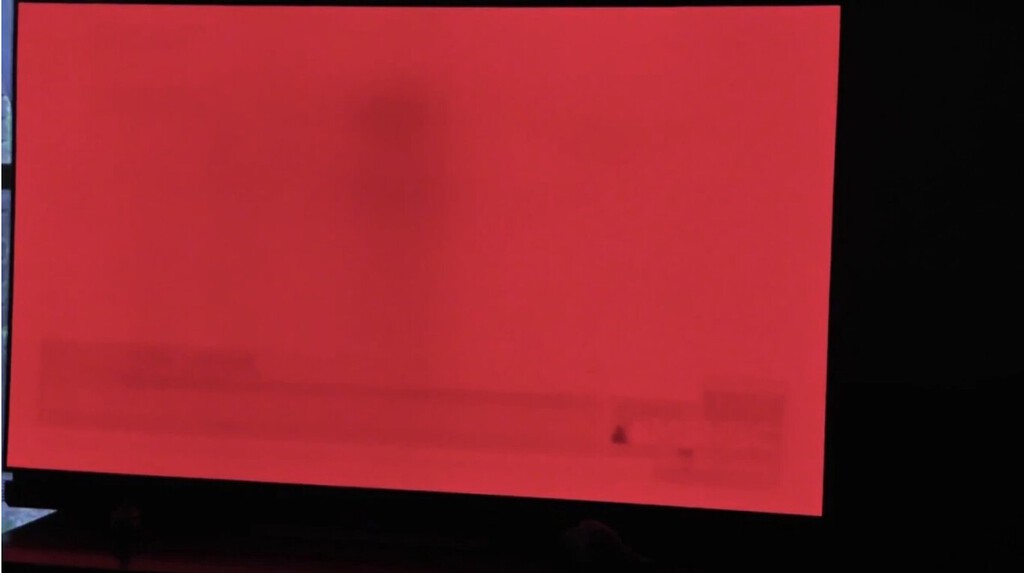
This is not a technical defect but a natural consequence of the technology. Unlike LCDs, which use a backlight, each OLED pixel emits its own light. That self-emissive nature is what gives OLED its perfect blacks and infinite contrast, but it also means uneven wear is physically unavoidable.
The Organic Degradation Factor
Organic materials break down with use, and the rate depends on how hard each pixel works. If one area of the screen consistently displays bright content while the rest stays dark, that area will dim relative to the rest over time. The result is a faint ghost of the static image—burn-in.
How Modern OLED TVs Mitigate Burn-In
Manufacturers have introduced several hardware and software features to combat burn-in. These include pixel shifting, logo detection, and automatic brightness limiters. Together, they significantly reduce the risk for typical viewers.
- Pixel shifting: The entire image subtly moves to prevent static elements from staying on the same pixels.
- Logo detection: Algorithms detect static logos and dim them without affecting the rest of the screen.
- Auto brightness limiter (ABL): Reduces peak brightness when large areas of the screen are bright, lowering stress on the panel.
- Panel refresh cycles: TVs run compensation cycles after long use to even out pixel wear.
- Improved organic materials: Newer panels use more durable compounds that degrade more slowly.
These features are now standard even on mid-range OLED models. They don't eliminate burn-in, but they make it far less likely under normal viewing conditions.
OLED Burn-In Risk in 2026: A Comparison
The table below summarizes how burn-in risk has changed across generations and how it compares to other display technologies.
| Factor | Early OLED (2015-2018) | Modern OLED (2026) | LCD/LED |
|---|---|---|---|
| Organic material durability | Low | High | N/A (inorganic) |
| Pixel shifting & logo dimming | Limited or absent | Advanced and standard | Not needed |
| Risk with mixed usage | Moderate | Low | Very low |
| Risk with static content (news, sports) | High | Moderate | Very low |
| Risk with gaming HUDs | High | Moderate | Very low |
As the table shows, modern OLED panels are much more resilient, but they still lag behind LCD when it comes to static content. The gap has narrowed, though, and for most households the difference is negligible.
Who Should Still Worry About Burn-In?
Not everyone faces the same risk. If your viewing habits involve long hours of static elements, you should take extra precautions. The following groups are more vulnerable:
News junkies: Watching channels with permanent logos and tickers for hours daily can accelerate uneven wear. Sports fans: Scoreboards and static graphics pose similar risks. Gamers: HUDs and health bars that stay in the same position for marathon sessions are a concern. PC monitor users: Using an OLED TV as a desktop monitor with static taskbars and icons is the highest-risk scenario.
For these users, an LCD TV might still be the safer choice. However, if you mix content and avoid prolonged static images, modern OLED is perfectly viable.
How to Protect Your OLED TV from Burn-In
You can take simple steps to minimize the risk without sacrificing picture quality. First, enable all built-in protection features and let the TV run its compensation cycles. Second, vary your content—avoid leaving a single channel or game paused for hours. Third, reduce brightness to a comfortable level, especially in dark rooms. Fourth, use screensavers and auto-off timers.
Finally, be mindful of static elements like logos and HUDs. Some TVs let you dim or hide them, and in games, you can often adjust HUD opacity. These small habits go a long way. The background to this story is set out in First OLED MacBook: Why Screen Burn-In Is Overblown. A related thread runs through Girlfriend Asks Reddit Whether She Was Wrong To Choose Her Cat Over Her Boyfriend. Earlier coverage in Woman Served Her Mother In Law Dog’s Water, Asks Reddit Whether She Was Right Or Wrong shows how the argument developed.
The Bottom Line: Burn-In Is Not a Myth, but It's Manageable
In 2026, OLED burn-in is no longer the boogeyman it once was. Panel technology has improved, and protective features are smarter. For the average viewer with varied content, the risk is low. But if your usage is dominated by static images, the risk remains real. A closer look at the same subject appears in Playmobil Reviews: Top 2026 Picks & Honest Buyer Guide. Anyone following the wider picture can start with Help to Buy Scheme: First-Time Buyer Experiences and Advice. The same theme surfaces in Andy Burnham's First-Time Buyer Scheme: Your First Home Explained, which takes a different angle.
Before buying, consider your viewing habits honestly. If you watch a mix of movies, shows, and games, an OLED TV will reward you with stunning picture quality. If you leave a news channel on all day, you might want to think twice. Either way, the gap between OLED and LCD is narrower than ever. Context on how this played out before sits in First Home Buyer 5% Deposit Scheme Properties Turned Into. A companion piece, Charlton Up for Sale Again: US Owners Seek Buyer After Three, approaches the same subject from another angle.
FAQ
Is OLED burn-in still a problem in 2026?
Yes, but much less so. Modern OLED panels use more durable materials and advanced mitigation features, making burn-in unlikely for typical mixed usage. However, the risk is not zero, especially with static content.
How long does it take for OLED burn-in to appear?
It depends on usage. With constant static elements at high brightness, burn-in can appear after a few thousand hours. With varied content and protective features enabled, it may never occur within the TV's lifespan.
Can burn-in be fixed?
Burn-in is permanent pixel degradation and cannot be reversed. Some TVs run compensation cycles that can reduce its visibility, but they don't restore the panel. Prevention is the only cure.
Should I buy an OLED TV if I watch a lot of news?
If news channels with static logos dominate your viewing, an LCD TV may be safer. However, if you enable protection features and vary content, OLED can still work for you. Consider your habits carefully.
Browse the Shop
 Acacia frida deluxe solid wood bed frame |
Bedroom bench |
Bed chest drawers |
Lingerie dresser |
Frame base |
Mirror with jewelry storage |
30 Bathroom Vanity |
Memory foam queen mattress |
Mattresses for back pain |
Nightstand set of 2 |
Grand Goldman Shop |
Civil Lawyer
Deutschland Trikot WM 2026







