

Smart home technology for first-time renters is no longer a luxury—it's a practical way to simplify independence. When you move out of your family home, the list of tasks can feel endless: setting up utilities, buying furniture, and learning to manage a household. But the right tech can turn those challenges into small wins. In fact, choosing the right devices early on can define your daily comfort and even make your new place the envy of friends. LG and Goldman Media recently launched a videoblog series, "Mi primera vez a los 30...", to show how technology helps tackle these rites of passage. While the series is in Spanish, the lessons apply everywhere: independence is a universal milestone, and smart gadgets are your best allies.
Why Smart Home Tech Matters for First-Time Renters
Independence comes with a learning curve. Bureaucratic tasks like signing a lease or setting up internet are rarely fun. But shaping your living space—choosing furniture, paint, and lighting—has a special appeal. According to the source article, technology and appliances are what truly provide comfort, time savings, and a better experience at home. That's because they handle the repetitive, time-consuming chores so you can focus on what matters. Smart home technology isn't just about cool gadgets; it's about making your first apartment function smoothly.
Find Original Home Decor sparking conversation at Grand Goldman Shop.

Essential Smart Home Devices for Your First Apartment
You don't need to break the bank. Start with devices that solve real problems. A smart plug lets you control lamps or coffee makers from your phone, saving energy and adding convenience. A robot vacuum keeps floors clean without daily effort—ideal for busy schedules. And a smart thermostat can cut heating and cooling costs, which matters when you're paying bills for the first time. These are the foundational pieces of a connected home.
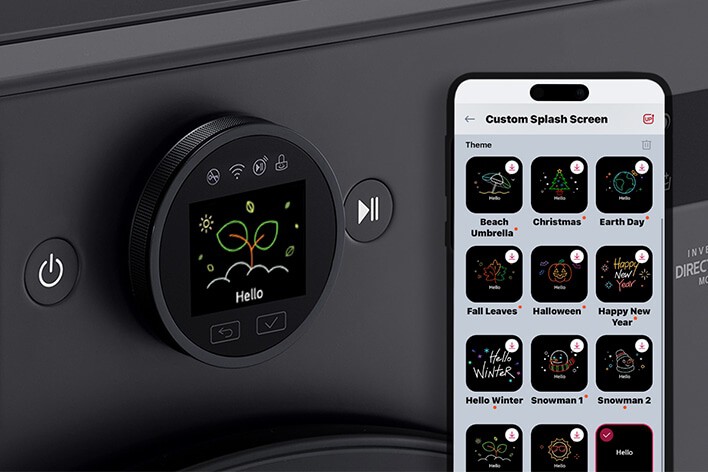
- Smart plugs: Automate small appliances and reduce phantom energy use.
- Robot vacuum: Maintain clean floors with minimal time investment.
- Smart thermostat: Lower utility bills and increase comfort.
- Smart lighting: Set schedules and moods without rewiring.
- Voice assistant: Control everything hands-free and manage reminders.
How to Choose the Right Tech for Your Lifestyle
Not every gadget suits every renter. Consider your daily routines: do you cook often? Then a smart oven or air fryer might be worth it. Work from home? Invest in a reliable mesh Wi-Fi system. The source article emphasizes that technology decisions define your day-to-day life more than decor choices. So prioritize devices that address your specific pain points. Also check rental agreements—some leases restrict permanent installations, so opt for plug-and-play solutions. The longer history behind the story is traced in Barcelona El Prat Hits Capacity as Low-Cost Carriers Surge.

Comparison of Must-Have Smart Devices
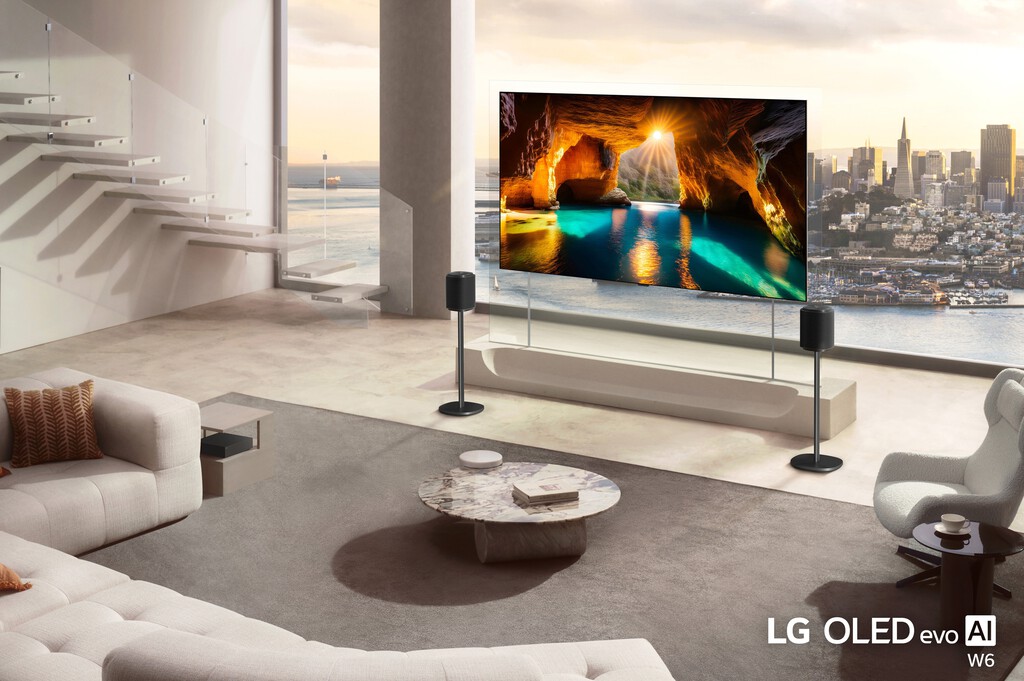
To help you decide, here's a quick comparison of popular starter devices based on typical features and benefits. Remember, prices and specs vary, so research before buying. The background to this story is set out in Bathroom Furniture Ideas: Tips for Choosing the Right Furniture. A related thread runs through LG AI Home Appliances Reduce Mental Load and Free Your Time. Earlier coverage in Verisure 2026 Awards: Vote for the Best Home Appliances shows how the argument developed.
| Device | Key Benefit | Approx. Cost | Renter-Friendly? |
|---|---|---|---|
| Smart plug | Automate appliances, save energy | $20–$30 | Yes |
| Robot vacuum | Hands-free floor cleaning | $150–$400 | Yes |
| Smart thermostat | Energy savings, remote control | $100–$250 | Often (check install) |
| Smart lighting kit | Schedules, dimming, colors | $50–$100 | Yes |
| Mesh Wi-Fi system | Reliable coverage for work/streaming | $100–$300 | Yes |
Setting Up Your Smart Home Without Breaking the Lease
Renters face unique constraints. Avoid drilling holes or replacing fixtures without permission. Instead, use smart bulbs that screw into existing sockets, plug-in cameras, and adhesive mounts. The source article notes that technology products provide comfort and time savings—but you can achieve that without permanent changes. Start with a smart plug and a voice assistant, then expand as you learn what you need. This incremental approach keeps costs down and avoids conflicts with landlords. A closer look at the same subject appears in LG AI Technology Simplifies Your Routine and Frees Up Your Time. Anyone following the wider picture can start with AI for Accounting: 10 Smarter Ways to Manage Modern Finance Every Time. The same theme surfaces in Smart TV Slow? How to Simplify and Speed Up Your Viewing, which takes a different angle.
Common Mistakes to Avoid When Buying Smart Tech
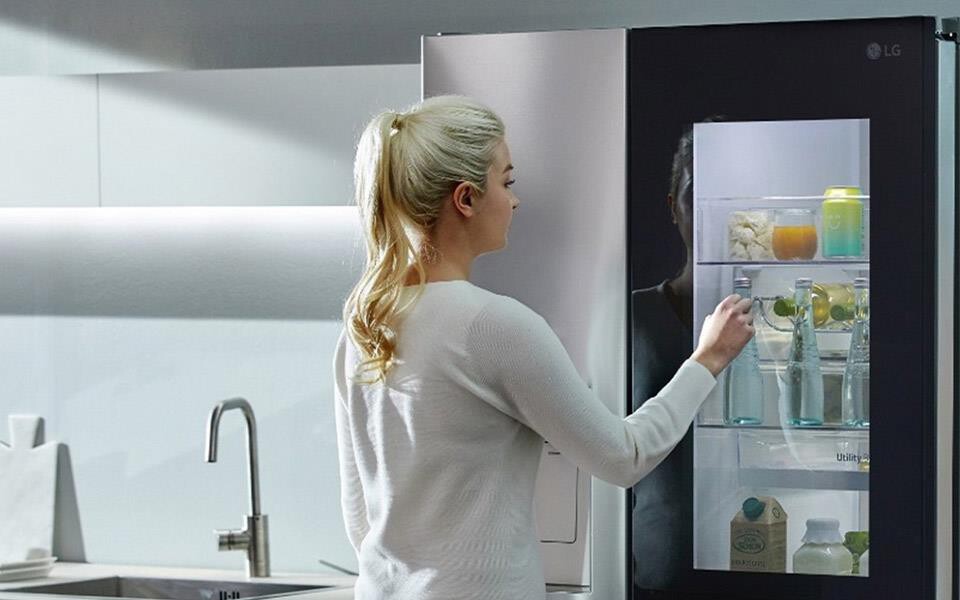
First-time buyers often overspend on gadgets they don't use. Don't buy a smart fridge if a basic one works fine—invest in a robot vacuum instead. Also, check compatibility: not all devices work with Apple HomeKit, Google Assistant, or Amazon Alexa. And read reviews about setup difficulty; some smart home hubs require technical know-how. The source article stresses that technology should make life easier, not add frustration. So choose devices with strong user reviews and simple apps. Context on how this played out before sits in +120 Aesthetic Ideas for your Living Room (First Apartment Goals). A companion piece, Decluttering Guru: How to Simplify Your Home and Life, approaches the same subject from another angle.
FAQ
What is the first smart device I should buy for my apartment?
Start with a smart plug. It's inexpensive, easy to set up, and lets you automate lamps or small appliances. This gives you a feel for smart home control without a big commitment. From there, you can add a voice assistant or smart bulbs.
Can I install smart home tech in a rental without permission?
Yes, if you choose plug-and-play devices. Smart plugs, smart bulbs, and adhesive-mounted sensors don't require permanent changes. Avoid drilling or replacing fixtures without landlord approval. Always check your lease for restrictions on modifications.
How does smart home technology save time and money?
Devices like robot vacuums automate cleaning, smart thermostats optimize energy use, and smart plugs reduce phantom power. Together, they cut hours of chores and lower utility bills. The source article highlights that tech provides comfort and time savings—exactly what new renters need.
What tech trends should first-time renters watch?
Keep an eye on Matter, a new standard that improves compatibility across brands. Also, energy-efficient appliances and subscription-based smart services are growing. As the source article suggests, technology will continue to shape how we adapt to independence, so stay informed about affordable innovations.
Browse the Shop
 Acacia frida deluxe solid wood bed frame |
Bedroom bench |
Bed chest drawers |
Lingerie dresser |
Frame base |
Mirror with jewelry storage |
30 Bathroom Vanity |
Memory foam queen mattress |
Mattresses for back pain |
Nightstand set of 2 |
Grand Goldman Shop |
Civil Lawyer
Deutschland Trikot WM 2026







