

Spain tourism is suddenly attracting attention from Gulf travelers as conflict in the Persian Gulf escalates, raising questions about whether this boom benefits Spain. The shift comes after a U.S.-Israel offensive in Iran quickly spread instability across the region, undermining the sense of safety that countries like the UAE, Qatar, and Kuwait had long projected.
With traditional Gulf getaway spots now clouded by security concerns, Spanish destinations are emerging as an appealing alternative. But is this surge in demand a blessing or a curse for a country already grappling with overtourism?
Find Original Home Decor sparking conversation at Grand Goldman Shop.

Why Gulf Travelers Are Eyeing Spain Tourism
The logic is straightforward: when people vacation, they seek relaxation, good food, comfort, landscapes, heritage, and beaches—not drones or the threat of attacks. The Gulf region, once a beacon of stability and luxury, now faces an uncertain security environment.
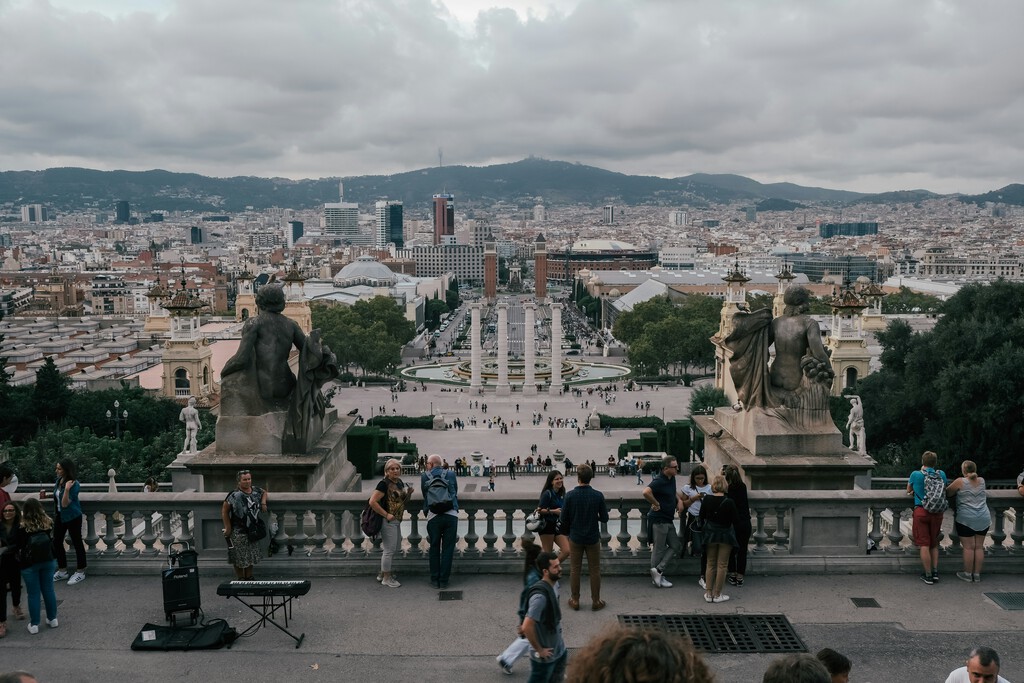
As a result, high-spending travelers from Gulf nations are looking for safer alternatives. Spain, with its Mediterranean climate, cultural richness, and established tourism infrastructure, fits the bill perfectly.
The Economic Impact of Increased Gulf Tourism
Spain's tourism industry has been setting records year after year, aiming to surpass 100 million international visitors. An influx of Gulf travelers could accelerate that goal, bringing significant economic benefits.
Gulf tourists are known for higher spending, longer stays, and a preference for luxury accommodations. This could boost revenue across the hospitality sector, from boutique hotels to high-end resorts.
- Gulf travelers often spend more per trip than average tourists, benefiting luxury businesses.
- They tend to travel during shoulder seasons, which can help extend Spain's tourism season.
- Increased demand may drive investment in premium services and infrastructure.
- However, a sudden surge could strain popular destinations already facing overcrowding.
- Spain's image as a safe, stable destination is reinforced, attracting further investment.
Spain's Tourism Infrastructure: Can It Cope?
Spain's tourism infrastructure is robust, but the question is whether it can absorb a rapid increase in visitors from a specific market without causing friction. Popular cities like Barcelona, Madrid, and Valencia are already dealing with housing pressures and resident backlash against overtourism.
The government and tourism boards will need to manage the growth carefully, ensuring that the benefits are distributed and that local communities are not sidelined. Sustainable tourism practices will be key to maintaining Spain's appeal.
Comparing Gulf and Spanish Destinations
The following table highlights key differences that may influence Gulf travelers' choices:
| Aspect | Gulf Destinations (UAE, Qatar, etc.) | Spain |
|---|---|---|
| Safety perception | Recently undermined by regional conflict | High, stable democracy |
| Climate | Hot, arid | Mediterranean, varied |
| Cultural offerings | Modern luxury, shopping | Rich heritage, museums, cuisine |
| Travel time from Gulf | Short | Moderate (6-7 hours) |
| Visa requirements | Varies | Schengen visa needed for some |
The Geopolitical Context Driving the Shift
The conflict that began with a U.S.-Israel bombardment of Iran has escalated into a broader Persian Gulf crisis. This has not only affected the countries directly involved but has also sent ripples through the global economy, including oil prices.
For Spain, the tourism boost is a silver lining in an otherwise troubling geopolitical scenario. However, it also underscores the interconnectedness of global events and the fragility of regional stability. The background to this story is set out in Spain's Tourism Boom: 25 Million More Visitors Strain Infrastructure. A related thread runs through Spain's Longevity Tourism Boom: A Global Health Destination. Earlier coverage in Spain's Airport Tourism Boom Linked to Rising Rental Prices shows how the argument developed.
What This Means for Spain's Tourism Strategy
Spain's tourism authorities may need to adapt their marketing strategies to appeal specifically to Gulf travelers, emphasizing safety, luxury, and cultural experiences. Collaborations with airlines and travel agencies could facilitate easier access. A closer look at the same subject appears in August Solar Eclipse in Spain: Rural Tourism Safety Rules for Visitors. Anyone following the wider picture can start with China's Tourism Boom: The Next Global Economic Conquest. The same theme surfaces in Madrid Tourism Backlash: Does 'Madrileñofobia' Really Exist in Spain, which takes a different angle.
At the same time, Spain must avoid over-reliance on any single market. Diversifying source markets remains crucial for long-term resilience. Context on how this played out before sits in Spain's Brown Bear Comeback Sparks Ranchers vs Tourism Battle. A companion piece, The Improbable Origin of Spain's Menú del Día: A Franco-Era Tourism Strategy, approaches the same subject from another angle.
FAQ
Why are Gulf travelers suddenly interested in Spain?
Gulf travelers are seeking safer destinations due to escalating conflict in the Persian Gulf region. Spain offers stability, safety, and a wealth of cultural and leisure attractions that appeal to this demographic.
How significant is the Gulf market for Spain's tourism?
The Gulf market is relatively small but high-value. Travelers from the region tend to spend more and stay longer, making them an attractive segment for Spain's tourism industry.
Could this boom exacerbate overtourism in Spain?
Yes, without careful management, a sudden influx could strain popular destinations. Spain will need to implement sustainable tourism policies to balance growth with local well-being.
What should Spain do to attract more Gulf tourists?
Spain can enhance its appeal by promoting luxury accommodations, halal dining options, and cultural experiences tailored to Gulf preferences. Improved air connectivity and targeted marketing campaigns would also help.
Browse the Shop
 Acacia frida deluxe solid wood bed frame |
Bedroom bench |
Bed chest drawers |
Lingerie dresser |
Frame base |
Mirror with jewelry storage |
30 Bathroom Vanity |
Memory foam queen mattress |
Mattresses for back pain |
Nightstand set of 2 |
Grand Goldman Shop |
Civil Lawyer
Deutschland Trikot WM 2026







