

The Window Tax of 1696, introduced by King William III of England, is a classic example of taxation with unintended consequences. Designed to raise revenue without invasive income assessments, it instead led to bricked-up windows, darkened homes, and a lasting architectural legacy.
Why Did England Introduce a Window Tax?
In the late 17th century, England faced a fiscal crisis. The government needed funds to finance wars and compensate for the debasement of coinage. However, direct income taxes were considered an intolerable intrusion into personal affairs. The window tax offered a workaround: it was a property tax based on the number of windows in a house, a rough proxy for wealth.
Find Original Home Decor sparking conversation at Grand Goldman Shop.

The logic was simple: larger, richer households had more windows, so taxing windows was a progressive measure. But as with many taxes, the reality was far more complex.
The Immediate Impact: Bricked-Up Windows and Darkened Homes
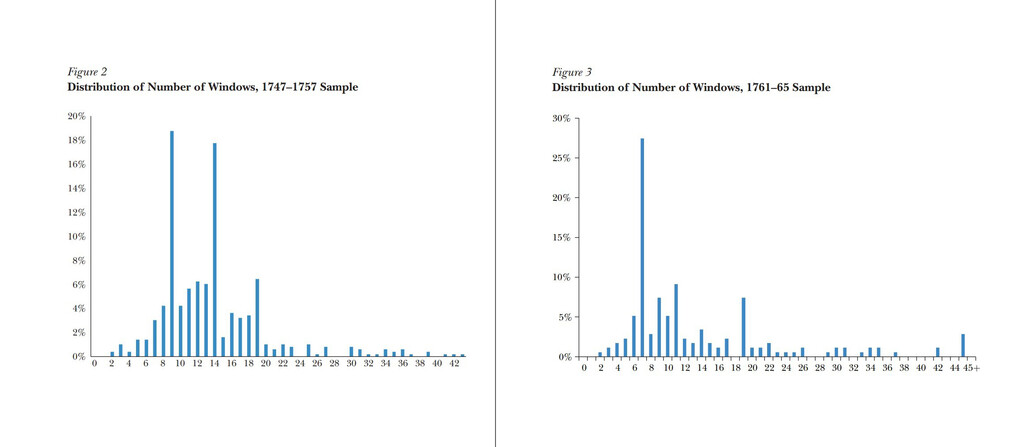
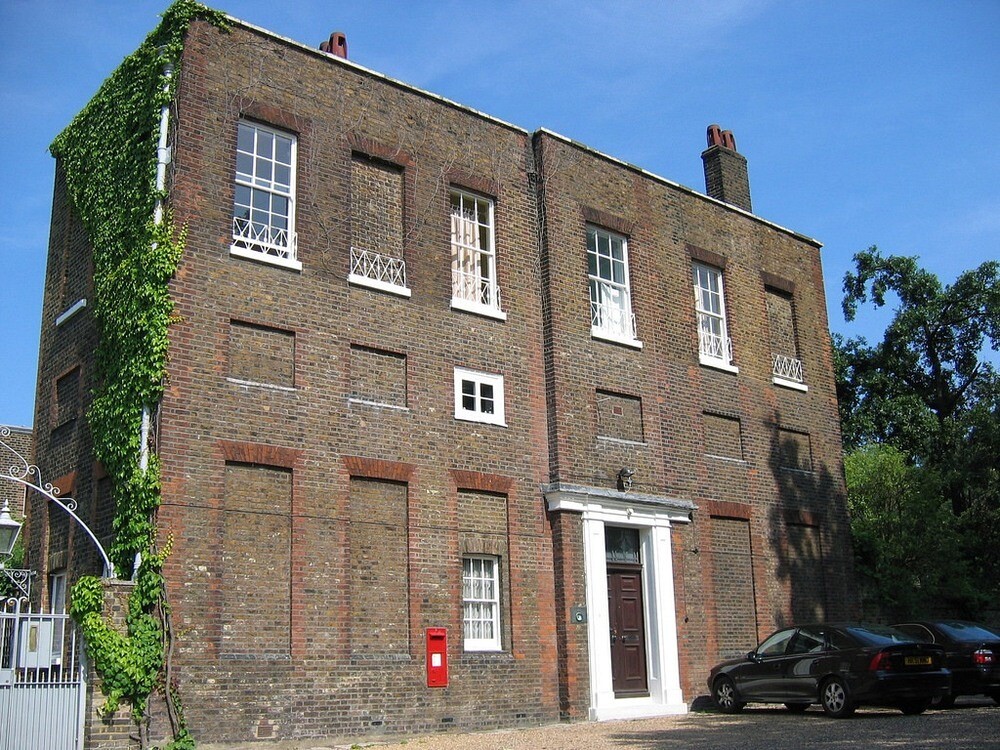
As soon as the tax took effect, homeowners began to seal off windows to reduce their liability. In some cases, new buildings were constructed with fewer windows, leading to darker, less ventilated living spaces. The visible evidence of this tax survives today in many historic buildings across the UK, where bricked-up window spaces are a common sight.
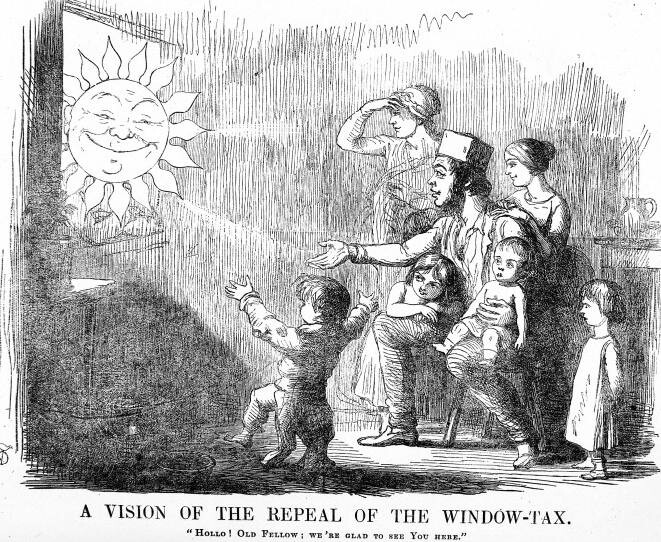
The tax also had a disproportionate effect on the poor, who could least afford to pay it but also suffered most from the loss of light and air. The wealthy, on the other hand, could absorb the cost and keep their windows.
Economic Distortions and Social Consequences
The window tax is a textbook example of how taxes can distort behavior. By penalizing windows, the government inadvertently encouraged people to live in unhealthy conditions. It also sparked resentment and evasion, with some homeowners going to great lengths to hide windows from assessors.
Economists today point to the window tax as a cautionary tale about the unintended effects of poorly designed taxes. It shows that even well-intentioned revenue measures can have far-reaching and often negative consequences.
Key Takeaways from the Window Tax
- Taxes can lead to avoidance behaviors that undermine public health and welfare.
- Using proxies for income (like windows) can be unfair and inefficient.
- Historical tax policies often leave lasting physical and social legacies.
- Good tax design requires anticipating behavioral responses.
- The window tax contributed to the evolution of modern property taxation.
How the Window Tax Shaped Architecture
The window tax influenced building design for over a century. Architects and builders began to incorporate fewer windows in new constructions, and existing buildings were modified to comply. This led to a distinct architectural style in some periods, characterized by blank facades and minimal fenestration. Context on how this played out before sits in The Window Tax of 1696: How It Reshaped Architecture Forever.
Today, preservationists and historians study these features to understand the impact of fiscal policy on the built environment. The tax was finally repealed in 1851, but its mark remains. The background to this story is set out in France's 126-Year Window Tax That Reshaped Homes. A related thread runs through Premier League Window Tax Could Curb Excessive Spending.
| Aspect | Details |
|---|---|
| Introduced | 1696 by William III |
| Basis | Number of windows per house |
| Repealed | 1851 |
| Effects | Bricked-up windows, darker homes, architectural changes |
| Lessons | Tax distortion, unintended consequences |
Lessons for Modern Tax Policy
The window tax offers valuable lessons for contemporary policymakers. It highlights the importance of considering how individuals and businesses will respond to new taxes. Behavioral responses can lead to outcomes that are contrary to the policy's goals. Earlier coverage in Trending: latest articles shows how the argument developed. A closer look at the same subject appears in ChatGPT Computer History: How It Tracks Your Desktop Activity.
Modern tax systems strive to be more efficient and equitable, but the window tax reminds us that even seemingly straightforward taxes can have complex effects. As governments seek new revenue sources, they must learn from history. Anyone following the wider picture can start with Joseph Williamson's Liverpool Tunnels: The Millionaire's Secret. The same theme surfaces in Spanish Firm Faked Gold Trades With Salt and Turmeric, which takes a different angle.
FAQ
What was the Window Tax of 1696?The Window Tax of 1696 was a property tax introduced by King William III of England, based on the number of windows in a house. It was intended as a progressive tax but led to widespread avoidance and architectural changes.
Why did people brick up their windows?People bricked up windows to reduce their tax liability, as the tax was based on the number of windows. This resulted in darker, less ventilated homes and altered streetscapes.
When was the Window Tax repealed?The Window Tax was repealed in 1851 after being in effect for over 150 years. Its legacy can still be seen in historic buildings with bricked-up windows.
What lessons does the Window Tax offer for today?The Window Tax demonstrates how taxes can distort behavior and lead to unintended consequences. It underscores the need for policymakers to anticipate how people will respond to new taxes.
Browse the Shop
 Acacia frida deluxe solid wood bed frame |
Bedroom bench |
Bed chest drawers |
Lingerie dresser |
Frame base |
Mirror with jewelry storage |
30 Bathroom Vanity |
Memory foam queen mattress |
Mattresses for back pain |
Nightstand set of 2 |
Grand Goldman Shop |
Civil Lawyer
Deutschland Trikot WM 2026







