

Whirlpool has introduced Adaptive Dry, a new feature that brings machine learning to its connected dryers. The system learns how you like your clothes dried after each cycle, eliminating the guesswork of choosing the right program.
Instead of applying rigid presets, the dryer calibrates its operation based on feedback from the previous load. This marks a shift toward personalized appliance behavior in the smart home.
Find Original Home Decor sparking conversation at Grand Goldman Shop.

How Adaptive Dry Works
The premise is simple: rather than forcing users to manually adjust settings every time, the machine progressively adapts. After a cycle ends and you remove the laundry, you can rate three key variables via the HomeWhiz app: dryness level, wrinkles, and overall satisfaction.
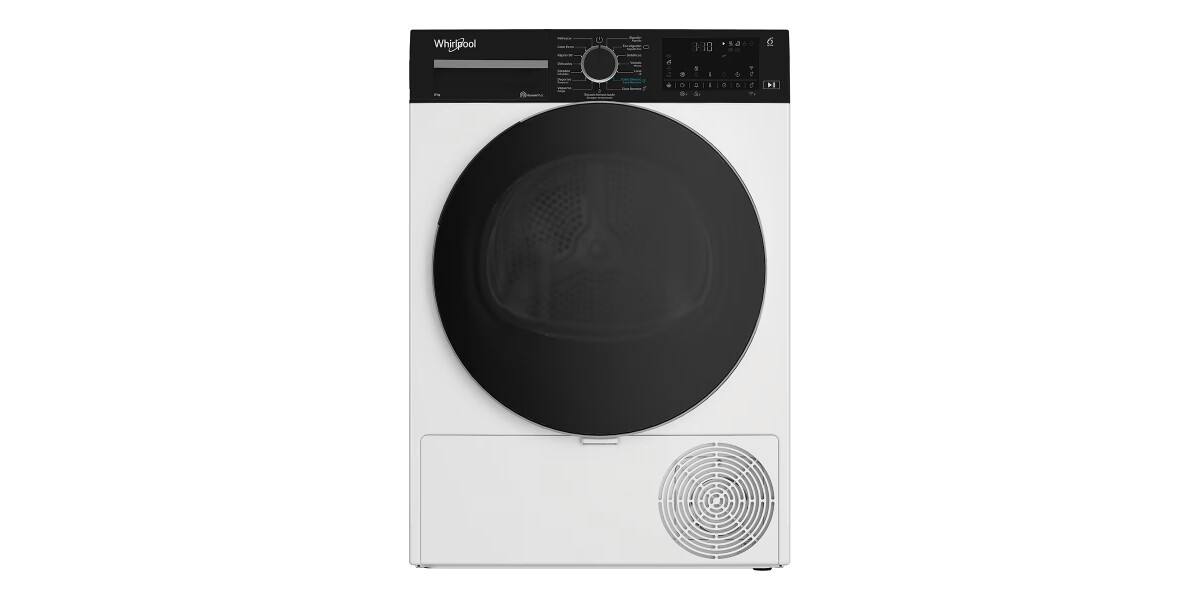
These ratings feed algorithms that recalculate temperature, time, and drum movements for future cycles. Over time, the dryer tailors its performance to your household's specific preferences.
The Role of the HomeWhiz App
HomeWhiz is Whirlpool's connected ecosystem, and it closes the feedback loop. The app not only lets you start or monitor the dryer remotely but also collects your post-cycle ratings. This data is essential for the learning process.
Without the app, Adaptive Dry cannot function, so users must engage with the digital interface to benefit from the feature. This highlights the growing reliance on smartphones for appliance customization.
Why Personalized Drying Matters
Laundry preferences vary widely: some prefer bone-dry clothes, while others want them slightly damp for ironing. Adaptive Dry addresses this by learning individual habits, reducing the need for manual tweaks.
This personalization can lead to better fabric care, as the dryer avoids over-drying or under-drying. It also simplifies the user experience, making laundry less of a chore.
- Learns from feedback: Adapts based on your ratings of dryness, wrinkles, and satisfaction.
- Eliminates guesswork: No more trial and error with preset programs.
- Requires HomeWhiz app: Feedback is submitted via smartphone after each cycle.
- Progressive improvement: The dryer gets smarter with each use.
- Fabric care: Optimizes temperature and movement to protect clothes.
How Adaptive Dry Compares to Traditional Dryers
Traditional dryers offer fixed programs that may not suit everyone. Adaptive Dry introduces a learning layer that adjusts over time. The table below summarizes the key differences.
| Feature | Traditional Dryer | Whirlpool Adaptive Dry |
|---|---|---|
| Program selection | Manual presets | Automatic, personalized |
| Feedback mechanism | None | Via HomeWhiz app |
| Adaptation over time | No | Yes, based on ratings |
| Connectivity | Usually none | Wi-Fi and app required |
| Fabric care | Generic | Tailored to preferences |
What This Means for the Smart Home
Adaptive Dry reflects a broader trend: appliances are becoming more intuitive and connected. The ability to personalize performance via smartphone is a key selling point for modern homes.
As more devices incorporate machine learning, users can expect greater convenience and efficiency. Whirlpool's move could pressure competitors to follow suit with similar adaptive features. The background to this story is set out in Samsung 2-in-1 Washer Dryer Solves Rainy Day Laundry Woes. A related thread runs through Carrefour's Washer Dryer Solves Rainy-Day Laundry Woes. Earlier coverage in Bosch IFA 2026: New Series 8 Washer-Dryer and Smart Appliances shows how the argument developed.
Potential Limitations
While promising, Adaptive Dry depends on consistent user feedback. If ratings are skipped, the learning process stalls. Additionally, the feature is currently limited to connected models, which may be pricier. A closer look at the same subject appears in Siemens Smart Kitchen: AI Ovens, Quiet Fridges, Heat-Pump Dryers. Anyone following the wider picture can start with How to Install a Whirlpool Bathtub for Ultimate Relaxation. The same theme surfaces in Trending: latest articles, which takes a different angle.
Privacy is another consideration: the app collects usage data, so users should review Whirlpool's data policies. Nevertheless, the benefits of a dryer that learns your preferences are compelling. Context on how this played out before sits in Free Stanford AI Courses: Learn the Technology Behind AI. A companion piece, MediaMarkt VAT-Free Day: Smart TVs from €98 and LG OLED at €760, approaches the same subject from another angle.
FAQ
What is Whirlpool Adaptive Dry?
Adaptive Dry is a feature in Whirlpool connected dryers that uses machine learning to personalize drying cycles based on user feedback. After each cycle, users rate dryness, wrinkles, and satisfaction via the HomeWhiz app, and the dryer adjusts future cycles accordingly.
Do I need the HomeWhiz app to use Adaptive Dry?
Yes, the HomeWhiz app is essential for submitting feedback after each cycle. Without it, the dryer cannot learn your preferences, so the feature requires a smartphone and an internet connection.
Which Whirlpool dryers offer Adaptive Dry?
Adaptive Dry is available on select connected models, such as the Whirlpool heat pump dryer (8 kg, model C WD 84M WBS SPT). As the feature rolls out, more models are expected to include it.
Can Adaptive Dry save energy?
By optimizing cycle parameters, Adaptive Dry may reduce over-drying and unnecessary energy use. However, savings depend on individual usage patterns and the dryer's efficiency rating.
What to Watch Next
Whirlpool's Adaptive Dry is a step toward truly personalized appliances. As the technology matures, we may see broader integration with smart home platforms and more granular controls.
For now, consumers should consider whether the convenience of a self-learning dryer justifies the premium and the app dependency. The feature is a glimpse into the future of laundry care.
Browse the Shop
 Acacia frida deluxe solid wood bed frame |
Bedroom bench |
Bed chest drawers |
Lingerie dresser |
Frame base |
Mirror with jewelry storage |
30 Bathroom Vanity |
Memory foam queen mattress |
Mattresses for back pain |
Nightstand set of 2 |
Grand Goldman Shop |
Civil Lawyer
Deutschland Trikot WM 2026







