

Why did Romans re-sculpt emperor busts? A new study of 2,028 sculptures reveals the practice of re-carving and its connection to Hispania. The answer lies in the political upheavals of ancient Rome.
In the British Museum, a first-century bust of Emperor Vespasian holds a fascinating secret. It originally depicted Nero, one of Rome's most notorious rulers. A sculptor later altered Nero's features to resemble Vespasian. This is not an isolated case; many imperial busts were re-sculpted to change their identity.
Find Original Home Decor sparking conversation at Grand Goldman Shop.

The Practice of Re-carving: What It Was and Why It Mattered
Re-carving, or re-tallar in Spanish, involved physically altering a sculpture's facial features. Archaeologists Francesca Bologna and Raffaella Bucolo investigated this phenomenon, analyzing 2,028 emperor sculptures from 27 BC to 285 AD. Their work sheds light on when, how, and why Romans re-carved portraits.
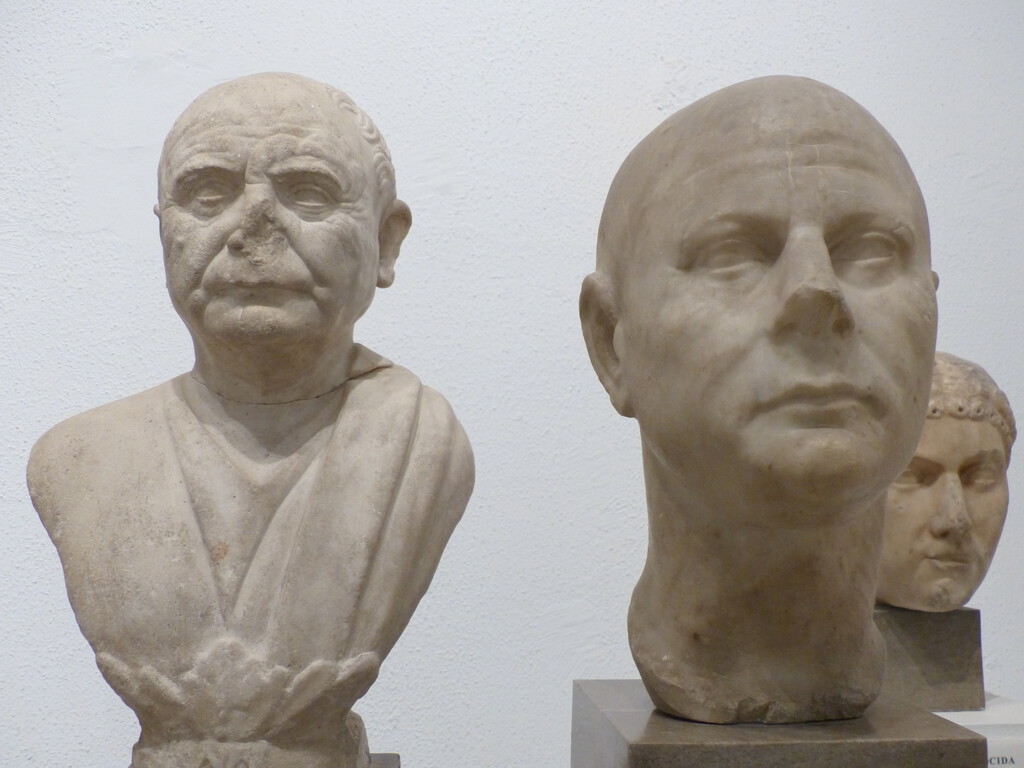
This practice was not merely artistic; it was deeply political. When an emperor fell from grace, his images could be damned—a process called damnatio memoriae. Re-carving allowed new rulers to reuse existing statues, saving time and resources while erasing the memory of predecessors.
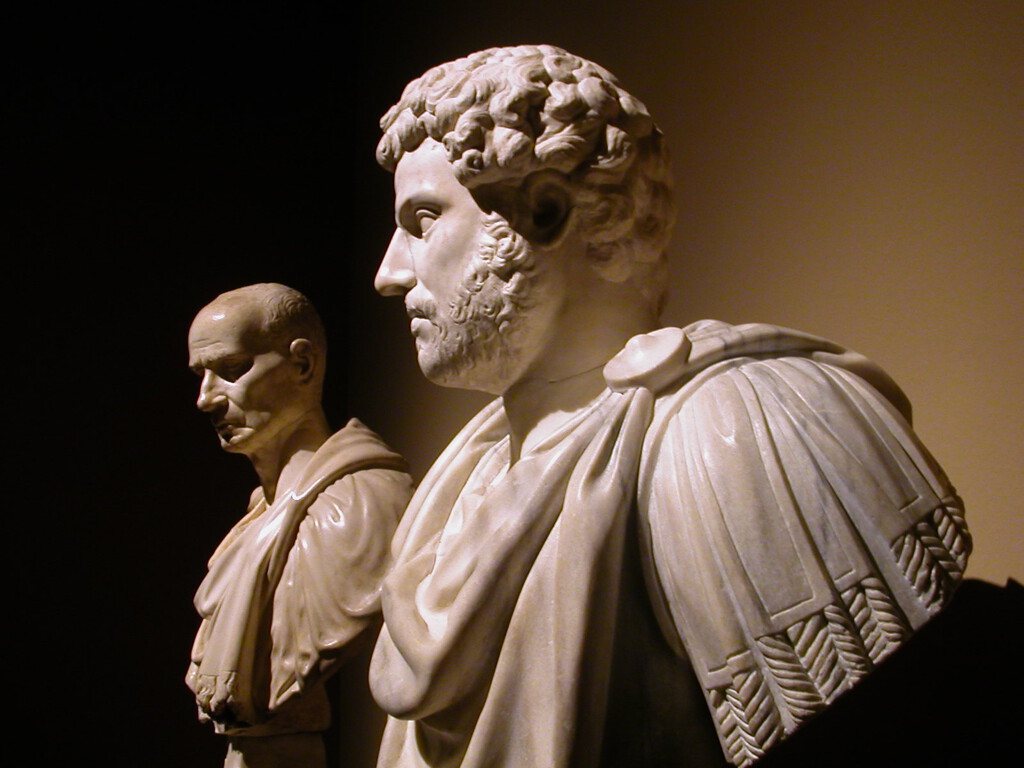
Key Takeaways from the Study of 2,028 Busts
- Re-carving was a widespread practice across three centuries of Roman rule.
- It often targeted emperors who suffered damnatio memoriae, such as Nero and Caligula.
- The study included busts from Augustus to Marcus Aurelius, showing the long durée of the phenomenon.
- Hispania may have played a role in the supply of marble or in the workshops where re-carving occurred.
- Re-carving reflects shifting political allegiances and the damnation of memory.
How Re-carving Was Done: Techniques and Challenges
Re-carving required skilled sculptors. They had to remove original facial features and carve new ones without breaking the statue. Sometimes, the new portrait did not perfectly match the old, leaving traces of the original. For example, the Vespasian bust in the British Museum still bears subtle signs of Nero's visage.
The process was easier when the new emperor had similar facial proportions to the old one. Otherwise, sculptors might have to alter hairstyles or add accessories to mask incongruities. This technical challenge makes each re-carved bust a unique artifact.
The Role of Hispania: Marble, Workshops, and Politics
Hispania, the Roman province covering modern Spain and Portugal, was rich in marble quarries. Hispanic marble was widely used in imperial sculpture. The study suggests that some re-carved busts may have originated in Hispania or used marble from there.
Moreover, Hispania was an important source of senators and military leaders. When a new emperor took power, statues in Hispania might be re-carved to reflect the new political reality. This local context adds depth to our understanding of re-carving. The longer history behind the story is traced in Why Rome Re-sculpted Emperor Busts: The Hispania Connection.
Comparison of Original Emperors and Their Re-carved Identities
| Original Emperor | Re-carved as | Reason for Re-carving |
|---|---|---|
| Nero | Vespasian | Nero's damnatio memoriae; Vespasian's need for legitimacy |
| Caligula | Claudius | Caligula's erased memory; Claudius's accession |
| Domitian | Nerva | Domitian's damnatio; Nerva's new regime |
| Geta | Caracalla | Geta's murder and damnatio; Caracalla's sole rule |
This table shows how re-carving was tied to political shifts. Each case reflects a damnatio memoriae and the practical need to recycle imperial portraits. The background to this story is set out in Guardia Civil Busts 391-Plant Marijuana Indoor in Rented Madrid Chalet. A related thread runs through PG Wood Carving Chisels: A DIY Guide to Sculpting Wood. Earlier coverage in Andy Burnham Takes Bold Risk to Bust the Big Lie of Politics shows how the argument developed.
What This Means for Our Understanding of Roman Art
Re-carving challenges the idea that Roman sculptures were static. They were dynamic objects that could be updated as politics changed. The study by Bologna and Bucolo highlights the agency of sculptors and the economic logic behind reusing materials. A closer look at the same subject appears in Princess Aiko: Why Japan Wants a Female Emperor Now. Anyone following the wider picture can start with Roman Fort Discovery in Wales Validates Emperor Magnus Maximus Legend. The same theme surfaces in Trending: latest articles, which takes a different angle.
It also underscores the importance of provenance. A bust might look like one emperor today but originally depicted another. This adds a layer of complexity to museum displays and art historical analysis. Context on how this played out before sits in Roman Temple to Minerva Discovered in Cuenca Quarry. A companion piece, Ancient Roman Perfume Bottles: The Macabre Glass Dove Ritual, approaches the same subject from another angle.
FAQ
What is re-carving in Roman sculpture?
Re-carving is the practice of altering an existing sculpture's facial features to depict a different person. In Rome, it was often used to change an emperor's portrait after his damnatio memoriae.
Why did Romans re-carve emperor busts?
Romans re-carved busts primarily for political reasons, to erase the memory of disgraced emperors and to save resources by reusing existing statues for new rulers.
How does Hispania relate to re-carved busts?
Hispania was a source of marble and had active workshops. Some re-carved busts may have been made there or from Hispanic marble, reflecting local political dynamics.
What was damnatio memoriae?
Damnatio memoriae was a Roman Senate decree to condemn an emperor's memory after death, often resulting in the destruction or alteration of his portraits and inscriptions.
The study of re-carving offers a window into Roman political and artistic practices. It shows how art and power intertwined in the ancient world. As researchers continue to analyze these 2,028 busts, we may uncover more about the role of Hispania and the mechanics of re-carving.
Browse the Shop
 Acacia frida deluxe solid wood bed frame |
Bedroom bench |
Bed chest drawers |
Lingerie dresser |
Frame base |
Mirror with jewelry storage |
30 Bathroom Vanity |
Memory foam queen mattress |
Mattresses for back pain |
Nightstand set of 2 |
Grand Goldman Shop |
Civil Lawyer
Deutschland Trikot WM 2026







