

Adobe didn't start with Photoshop; it began by solving a huge, unglamorous problem: printing digital pages correctly. Before the company became synonymous with digital creativity, its founders were obsessed with a more concrete challenge: making sure what you saw on a computer screen actually looked right on paper. This is the story of PostScript, the language that bridged the gap between personal computers and professional printing, and in doing so, laid the foundation for Adobe's future empire.
The Printing Problem That Sparked Adobe
In the early days of personal computing, getting a computer to produce high-quality printed output was far from guaranteed. Most printers available were dot-matrix models that delivered low-resolution, barely legible results. For professional work, the alternative was typesetting equipment that could cost over $150,000 and required laborious processes. There was a clear void between these extremes: a need for a flexible, reliable, and affordable way to bring complex pages to paper.
Find Original Home Decor sparking conversation at Grand Goldman Shop.

This is where Adobe's founders saw an opportunity. Instead of focusing on flashy creative tools, they tackled the fundamental challenge of describing page layout in a way that printers could understand. Their solution, PostScript, was a programming language designed to describe exactly how a page should look when printed, independent of the device.
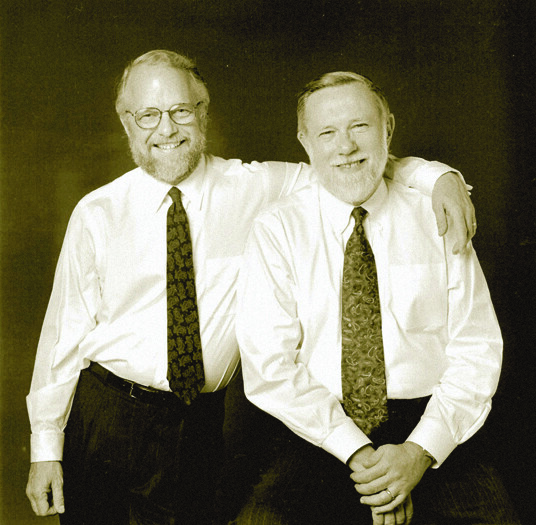
PostScript: The Language That Changed Printing
PostScript emerged from work done at Xerox PARC, the legendary research center that also gave us the graphical user interface and Ethernet. Adobe's founders, John Warnock and Charles Geschke, recognized the potential of a device-independent page description language. They left Xerox to commercialize the technology, founding Adobe in 1982.
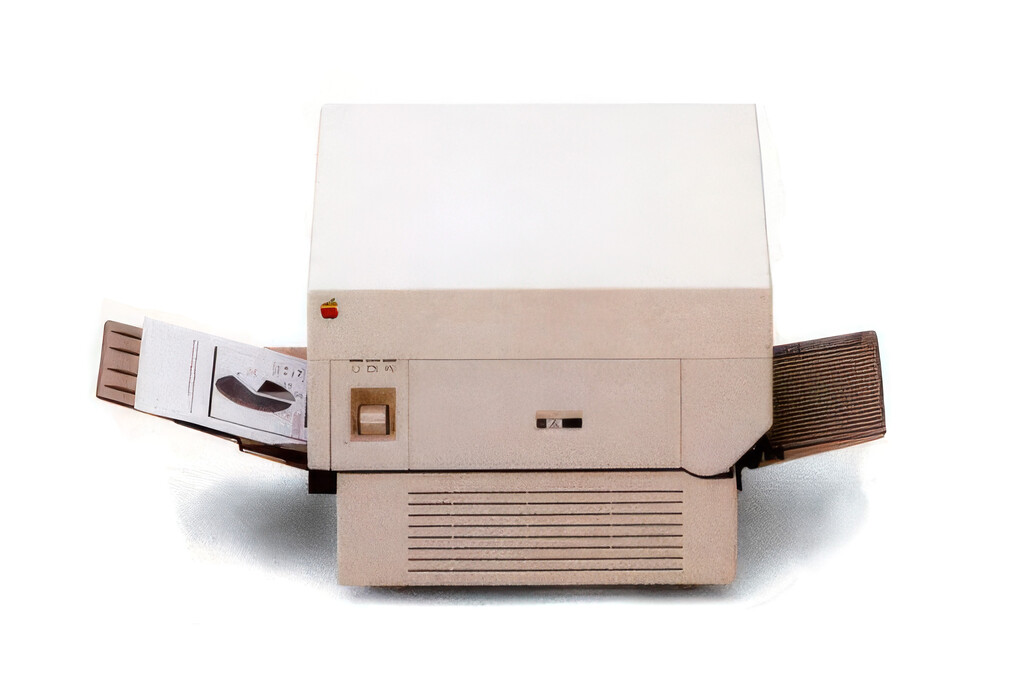
PostScript allowed computers to send detailed instructions to printers, describing everything from fonts to graphics with precision. This meant that a document could be designed on one computer and printed on any PostScript-compatible printer, with consistent results. It was a breakthrough that made desktop publishing possible.
Why PostScript Was a Big Deal
- Device independence: The same document could be printed on different printers without losing quality.
- Scalable fonts: PostScript fonts could be scaled to any size without jagged edges.
- Complex graphics: It could handle intricate illustrations and layouts that were previously impossible to print digitally.
- Industry standard: PostScript became the foundation for professional printing and was licensed by major companies like Apple and IBM.
The Impact on Desktop Publishing and Beyond
PostScript's success was immediate and far-reaching. It enabled the desktop publishing revolution of the 1980s, allowing small businesses and individuals to produce professional-quality documents in-house. Apple's LaserWriter, one of the first PostScript printers, became a staple in offices and design studios.
But Adobe didn't stop there. The company used its expertise in digital imaging to develop Photoshop, Illustrator, and Acrobat, which became essential tools for creatives worldwide. However, it's worth remembering that without the unglamorous work of solving printing, these tools might never have existed.
Lessons from Adobe's Early Days
Adobe's origin story teaches us that solving foundational, less flashy problems can lead to massive opportunities. By focusing on the technical hurdles of printing, Adobe built a platform that empowered entire industries. This approach—identifying a critical pain point and creating a robust solution—is a hallmark of successful tech companies. Context on how this played out before sits in Adobe's Origins: How PostScript Solved Printing Before Photoshop.
Moreover, Adobe's early focus on standards and interoperability (PostScript was licensed widely) helped it become an industry standard itself. This strategic move created a moat that competitors found hard to breach. The background to this story is set out in Business: latest articles. A related thread runs through Google's AI Ultimatum to Schools Sparks Parent and Teacher Backlash.
What's Next for Adobe and Digital Printing?
While Adobe is now a cloud-based software giant, its roots in printing still influence its products. PDF, invented by Adobe, remains the standard for digital documents, and print workflows continue to rely on Adobe's technologies. As we move towards more digital and immersive media, the principles of precision and device independence that PostScript championed remain relevant. Earlier coverage in Deirdre McDermott: Walker Books Children's Publishing Legacy shows how the argument developed. A closer look at the same subject appears in Bill Gates Gave 8.75% of Microsoft to Steve Ballmer: Who's Richer Now.
Adobe's journey from a printing-focused startup to a creative powerhouse is a reminder that even the most innovative companies often start by solving the most basic problems. So next time you print a document or design a poster, remember that Adobe's story began with the simple goal of making paper look as good as the screen. Anyone following the wider picture can start with Student 3D Prints Prosthetic Arm for Sister in 100 Hours. The same theme surfaces in Tesla's Death Ray: The $30 Million Weapon He Tried to Sell, which takes a different angle.
FAQ
What was Adobe's first product?
Adobe's first product was PostScript, a page description language for printing. It was licensed to printer manufacturers and became the foundation of desktop publishing.
How did PostScript change printing?
PostScript allowed computers to describe page layouts precisely, enabling high-quality printing on a variety of devices. It made desktop publishing accessible and reliable.
Why is Adobe's origin story important?
It shows that solving fundamental, unglamorous problems can lead to transformative technologies and lasting business success. Adobe's focus on printing paved the way for its creative software empire.
What is the connection between Adobe and Xerox PARC?
Adobe's founders, John Warnock and Charles Geschke, developed PostScript while working at Xerox PARC. They later left to commercialize the technology, founding Adobe in 1982.
Browse the Shop
 Acacia frida deluxe solid wood bed frame |
Bedroom bench |
Bed chest drawers |
Lingerie dresser |
Frame base |
Mirror with jewelry storage |
30 Bathroom Vanity |
Memory foam queen mattress |
Mattresses for back pain |
Nightstand set of 2 |
Grand Goldman Shop |
Civil Lawyer
Deutschland Trikot WM 2026







