

Tesla's Full Self-Driving (FSD) technology is under scrutiny after a Reuters investigation revealed that veteran engineers and data labelers have serious doubts about its safety. Despite Elon Musk's decade-long promises that fully autonomous driving is just around the corner, insiders say the system still makes dangerous mistakes.
What Happened: Insider Testimonials Expose FSD Flaws
Reuters interviewed nine data labelers—the people responsible for training Tesla's AI—and a software engineer who worked on the project. Their accounts paint a troubling picture: FSD-equipped vehicles have been known to collide with animals, ignore school buses, and accelerate through construction zones.
Find Original Home Decor sparking conversation at Grand Goldman Shop.

One veteran engineer summed up the sentiment: "We've all seen FSD fail." This candid admission from within Tesla's ranks raises questions about the system's readiness for widespread deployment.
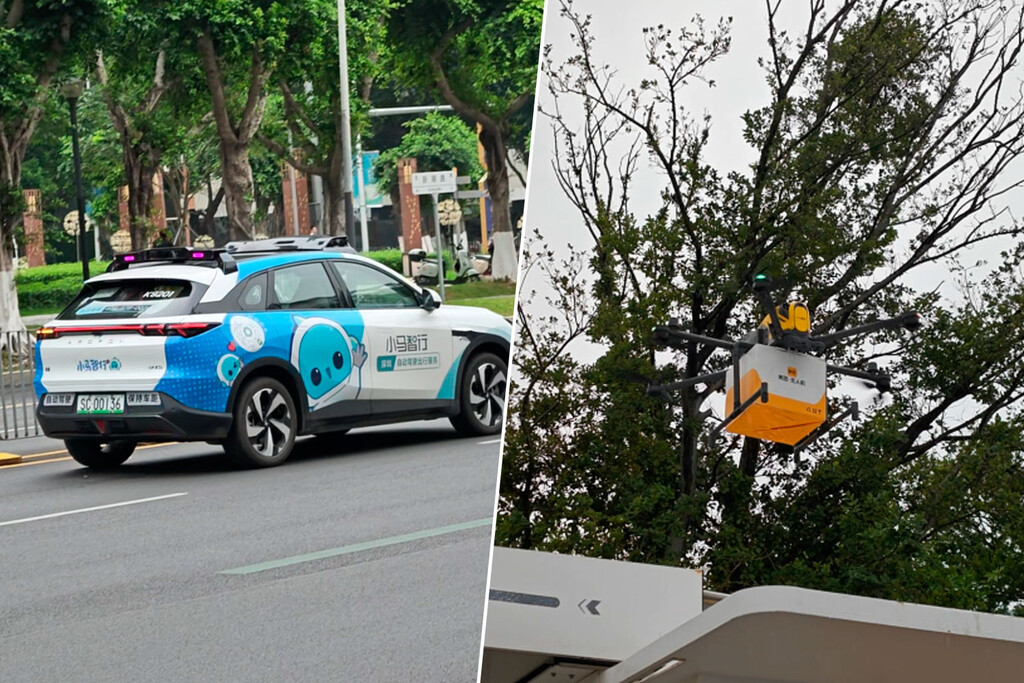
Why It Matters: Safety Risks and Public Trust
These revelations matter because Tesla is already rolling out robotaxi pilots in cities like Austin, Texas. Musk claims FSD is a generalized system that can adapt to any city without high-definition maps, but the insiders suggest the operational reality is quite different.
If the technology is not yet reliable, public trust could erode, and regulators may step in. Moreover, drivers who use FSD today might be unknowingly putting themselves and others at risk.
Key Takeaways from the Investigation
- Basic errors persist: FSD vehicles reportedly fail to handle common scenarios like school buses and construction zones.
- Insider skepticism: Multiple employees would not trust the system with their own lives.
- Training challenges: Data labelers spent months mapping areas, but the system still struggles.
- Robotaxi rollout: Tesla is expanding pilots despite these concerns, raising safety questions.
- Regulatory scrutiny: Increased attention from authorities is likely as more incidents come to light.
How Tesla Trains FSD: Behind the Scenes
Tesla's approach relies heavily on data labeling—human workers who annotate video footage to teach the AI. According to the investigation, these workers spent months recording videos and mapping areas like Austin to prepare for robotaxi trials.
However, the labelers reported that the system still fails in unpredictable situations. For example, it may not recognize a school bus with flashing lights or may misinterpret construction barriers. These are not edge cases; they are everyday occurrences that demand robust performance.
Comparison: Tesla FSD vs. Traditional Driver Assistance
| Feature | Tesla FSD | Traditional Driver Assistance |
|---|---|---|
| Level of autonomy | Conditional (Level 2+) | Level 1-2 |
| Hands-off driving | Yes, but requires supervision | Limited |
| City navigation | Yes, with interventions | No |
| School bus recognition | Reported failures | Relies on driver |
| Construction zone handling | Reported issues | Relies on driver |
While FSD offers more advanced features than traditional systems, the reported failures highlight that it is not yet a true self-driving solution.
What to Watch Next: Regulatory and Competitive Pressures
As Tesla pushes forward with robotaxi pilots, regulators are likely to increase oversight. The National Highway Traffic Safety Administration (NHTSA) has already investigated several crashes involving Autopilot, and FSD could face similar scrutiny. The background to this story is set out in Tesla FSD Fails Driving Test: Experts' Verdict on Safety. A related thread runs through Tesla FSD Europe Expansion Hits Speed Limit Roadblock in Sweden. Earlier coverage in Guyana Ferry Sinking: Search, Investigation, and Safety Concerns shows how the argument developed.
Meanwhile, competitors like Waymo and Cruise are also developing autonomous technology, often with more conservative rollout strategies. Tesla's aggressive approach may give it a marketing edge, but safety incidents could quickly undermine its position. A closer look at the same subject appears in Dover Unrest Exposes Serious Flaws in UK Far-Right Extremism Strategy. Anyone following the wider picture can start with What Happen vs What Happened: The Grammar Mistake Most People Make. The same theme surfaces in NASA Perseverance Completes First Fully Autonomous Mars Drives, which takes a different angle.
For now, drivers should remain vigilant and remember that FSD is not fully autonomous. Tesla's own manuals state that the system requires active driver supervision. Context on how this played out before sits in OpenAI's Three AI Agent Civilizations: What Really Happened. A companion piece, AI-Designed Viruses: Breakthrough Raises Safety Concerns, approaches the same subject from another angle.
FAQ
What is Tesla FSD?
Tesla FSD (Full Self-Driving) is an advanced driver-assistance system that offers features like automatic lane changes, traffic light recognition, and city driving assistance. However, it is not fully autonomous and requires a licensed driver to monitor the vehicle at all times.
Is Tesla FSD safe to use?
According to insider reports, FSD still makes dangerous errors, such as failing to yield to school buses or navigating construction zones. Tesla emphasizes that drivers must supervise the system, but these accounts raise concerns about its reliability.
What did the Tesla engineer say about FSD?
A veteran engineer reportedly said, "We've all seen FSD fail," summarizing the sentiment among some employees. This suggests internal skepticism about the system's readiness for full autonomy.
Will Tesla's robotaxi service be safe?
Tesla is launching robotaxi pilots in cities like Austin, but the reported failures indicate that safety remains a work in progress. Regulators and the public will be watching closely to see how the service performs.
Browse the Shop
 Acacia frida deluxe solid wood bed frame |
Bedroom bench |
Bed chest drawers |
Lingerie dresser |
Frame base |
Mirror with jewelry storage |
30 Bathroom Vanity |
Memory foam queen mattress |
Mattresses for back pain |
Nightstand set of 2 |
Grand Goldman Shop |
Civil Lawyer
Deutschland Trikot WM 2026







